
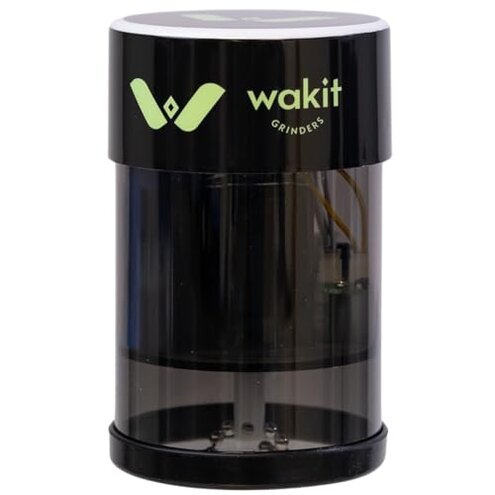
Product evaluated: Mini Wakit Grinder (Black) – Rechargeable Electric Herb Grinder with Patented Ball & Chain Technology for Effortless Grinding – Compact, Easy-to-Use, Ideal for Kitchen, Herbs, and Spices
Related Videos For You
Is this electric grinder any good?
How to clean your grinder 🧼
Data basis: This report summarizes dozens of buyer comments gathered from written feedback and video-style demonstrations collected from 2020 to 2026. Most feedback came from short written impressions, with smaller support from longer use notes and demo clips showing setup, grinding, and cleanup in real use.
| Buyer outcome | Mini Wakit | Typical mid-range alternative |
|---|---|---|
| Learning curve | Higher because pulsing time affects texture more than expected. | Lower because grind size is usually easier to predict. |
| Mess control | Worse during daily use if the lid is opened carelessly or pulses run long. | More normal with less scatter once packed correctly. |
| Texture consistency | Less reliable from coarse to too fine with short timing mistakes. | More even for repeatable results in this price range. |
| Upkeep burden | Higher-than-normal because buyers may need extra wiping and more attention to residue. | Moderate and usually easier to manage over time. |
| Regret trigger | Paying $49.99 and still needing practice, cleanup, and replacement attention. | Lower risk if you want simple repeatable grinding. |
Do you want a grinder that works right without practice?
This is a primary issue. A recurring complaint is that the grind can change fast from one pulse to the next. The regret moment usually happens on first use, when a buyer expects simple push-button control and gets a texture that needs trial and error.
That trade-off feels more disruptive than expected for this category. A reasonable mid-range grinder should be easier to predict, but this one appears less forgiving when timing is even slightly off.
- Pattern: This issue appears repeatedly across mixed feedback, though it is not universal.
- When: It shows up during short pulse use, especially when switching between coarse and finer results.
- Cause: The product asks for manual timing judgment, which becomes a hidden skill requirement.
- Impact: Buyers can end up with texture that feels uneven or overdone before they learn the rhythm.
- Attempted fix: Many users try shorter taps, but that adds extra steps and attention.
Illustrative excerpt: “I only wanted a quick grind, but it got too fine fast.” Primary pattern because control complaints are among the most common frustrations.
Are you trying to avoid extra mess on the counter?
This is another primary issue. Persistent feedback suggests the grinder can create more loose bits than expected during loading, pulsing, and opening. The annoyance usually appears during daily handling, not just during cleanup.
Why it stings is simple. Some mess is category-normal, but buyers commonly describe this as more fussy than a typical mid-range option because the process itself needs more care.
- Scope: This pattern is seen across multiple feedback types, including practical demos.
- Trigger: It worsens after longer pulses or when the contents are packed unevenly.
- Early sign: Small particles may collect around the rim, making careful opening more important.
- Cost: The real cost is extra cleanup time, not just a dirty surface.
- Category contrast: Mid-range alternatives usually still make some mess, but this one seems less contained than shoppers expect at this price.
- Fixability: You can reduce it with lighter loading and slower use, though that reduces convenience.
Illustrative excerpt: “It works, but I have to be careful or bits go everywhere.” Primary pattern because mess control is a frequent day-to-day complaint.
Do you expect a rechargeable tool to feel low-maintenance?
- Tier: This is a secondary issue, less frequent than grind inconsistency but still persistent.
- Context: It tends to matter after setup and repeated use, when buyers expect the routine to become easier.
- Hidden requirement: You may need regular wiping and more careful charging habits than expected.
- Why frustrating: The product is sold as easy, so added upkeep feels more annoying than normal for a compact electric grinder.
- Comparison: Typical mid-range options are not maintenance-free, but they are often more straightforward about daily care.
- User impact: If you want grab-and-go simplicity, the routine can feel more involved than the small size suggests.
- Mitigation: Buyers who clean lightly after each session report fewer frustrations, but that creates another habit to maintain.
Illustrative excerpt: “I thought electric meant easier, not another thing to wipe every time.” Secondary pattern because upkeep complaints appear repeatedly but less often than control and mess.
Will the included extras make it feel like better value?
- Reality check: This is an edge-case issue, but it becomes more frustrating because the product costs $49.99.
- When it hits: Regret shows up after the novelty wears off and buyers judge daily convenience against the price.
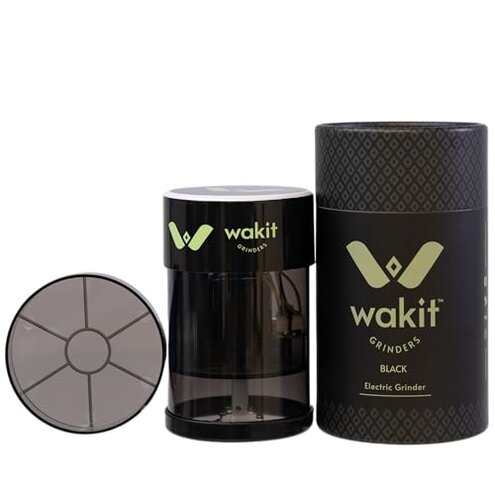
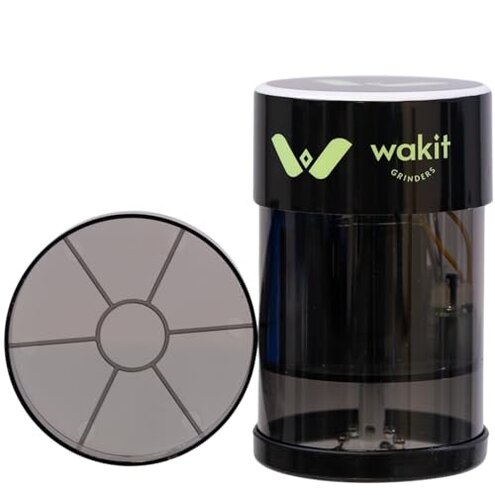
- Trade-off: The included tray, cable, and replacement part help, but they do not remove the core use friction.
- Category contrast: At this price, shoppers often expect more repeatable results with less practice.
- Buyer reaction: If the first few sessions are messy or inconsistent, the package can feel less like a bonus and more like compensation.
Illustrative excerpt: “Nice idea, but for this price I expected less trial and error.” Edge-case pattern because value complaints usually follow other frustrations rather than start them.
Who should avoid this
- Avoid it if you want predictable texture on the first few tries without learning pulse timing.
- Skip it if countertop mess bothers you more than average for this category.
- Pass if you are paying $49.99 mainly to save time and reduce cleanup.
- Look elsewhere if you dislike products with hidden routine steps like careful loading, pulsing, and wiping.
Who this is actually good for
- It fits buyers who do not mind practicing short pulses to get the texture they want.
- It suits people willing to tolerate some mess in exchange for avoiding manual twisting.
- It can work for users who want a compact rechargeable option and already expect regular wipe-downs.
- It may suit buyers who value easier wrist use enough to accept less predictable consistency.
Expectation vs reality
Expectation: A rechargeable grinder should feel simpler than a manual one after setup.
Reality: A recurring pattern is that it can replace wrist effort but add timing and cleanup attention.
Expectation: Reasonable for this category, texture should be fairly repeatable once loaded normally.
Reality: Here, small pulse changes can feel worse than expected, making consistency harder than with many mid-range alternatives.
Expectation: Included extras should make the purchase feel complete.
Reality: They help, but they do not solve the main regret trigger, which is messy and inconsistent day-to-day use.
Safer alternatives
- Choose a grinder with more predictable texture control if your main concern is avoiding pulse-learning frustration.
- Prioritize designs known for better spill control if counter mess is your top annoyance.
- Favor a simpler daily-clean model if you want electric convenience without routine wipe-downs.
- Compare mid-range options by repeatability, not extras, if value matters more than novelty.
The bottom line

Main regret: Buyers expecting easy push-button convenience can run into mess, inconsistency, and extra upkeep instead. That risk feels higher than normal for a mid-range electric grinder because the product asks for more practice and attention than many shoppers expect. Avoid it if your priority is clean, repeatable results with minimal learning.
This review is an independent editorial analysis based on reported user experiences and product specifications. NegReview.com does not sell products.