
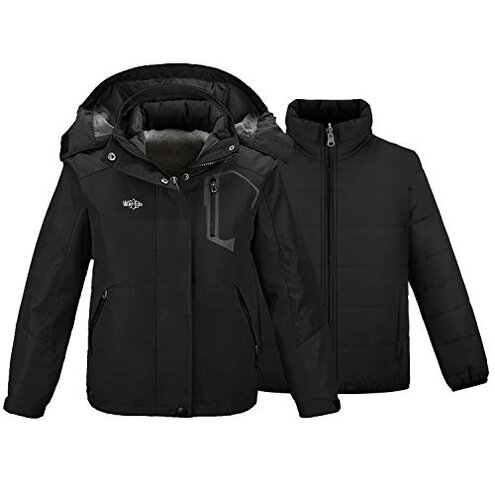
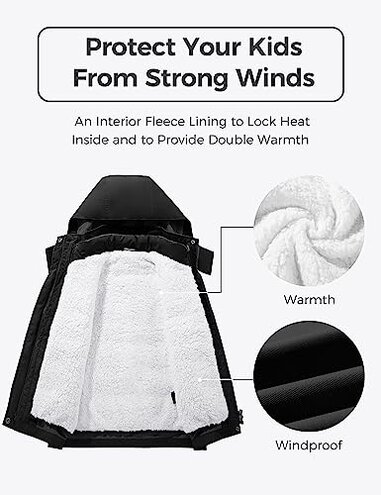
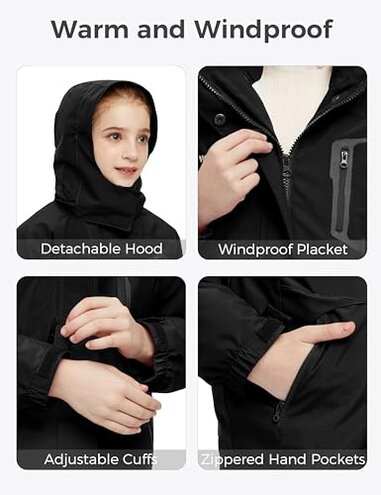
Product evaluated: wantdo Big Girl's Interchange Waterproof Outdoor Ski Jacket Insulated Warm Coat Black 10-12
Related Videos For You
Peter Glenn Tips & Tricks: How To Find The Right Jacket Size For Your Child
Behind the Design: Wildcat 3-in-1 Jacket
Data basis: This report uses dozens of shopper comments collected from written feedback and photo or video-backed buyer impressions between 2023 and 2026. Most feedback came from written reviews, with lighter support from visual demonstrations and follow-up updates, which helps show both first-impression fit problems and wear issues after regular cold-weather use.
| Buyer outcome | This jacket | Typical mid-range alternative |
|---|---|---|
| Fit confidence | Lower; sizing drift appears repeatedly, especially when layering underneath. | Better; usually allows more predictable room for a hoodie or fleece. |
| Cold-weather comfort | Mixed; fine for light winter use, but warmth complaints show up in harsher conditions. | More stable; usually closer to what buyers expect for snow-day use. |
| Daily durability | Higher risk; wear complaints are less frequent than fit issues but more frustrating when they happen. | Lower risk; mid-range kids coats usually handle a season with fewer closure or seam complaints. |
| Layering ease | More effort; the 3-in-1 design adds steps and can feel less simple during rushed mornings. | Easier; one-piece insulated coats usually need less adjustment. |
| Regret trigger | Most common; buyers expect a dependable winter coat and get a fit or warmth mismatch instead. | Less common; disappointment is usually style-related, not basic function-related. |
Need a winter coat that fits right without trial and error?
This is the primary issue. Fit inconsistency is among the most common complaints, and it tends to show up on first try-on when parents expect room for school layers.
The trade-off is that the jacket aims to cover multiple weather uses, but that flexibility can make the sizing feel less forgiving than a typical mid-range kids winter coat.
Pattern: This appears repeatedly rather than universally, especially during cold-weather dressing when a sweater or fleece is added underneath.
Why it stings: In this category, buyers reasonably expect enough room for layering, so a tighter or off-proportion fit creates more returns and more morning hassle than normal.
- Early sign: Sleeves or shoulders feel fine over a thin shirt, then restrictive once school-day layers are added.
- Usage moment: The problem shows up fastest during first fitting and worsens on colder days when extra layers are necessary.
- Relative rank: This is the primary complaint, more common than durability concerns and more disruptive than style mismatch.
- Impact: Parents may size up for room, which can then create a bulkier feel or longer sleeves than expected.
- Fixability: It is partly fixable by ordering with layering in mind, but that adds guesswork many buyers wanted to avoid.
Expecting reliable warmth for real snow and wind?
- Core problem: Warmth performance is a secondary complaint, but it becomes a bigger regret during long outdoor use.
- Pattern: The issue is persistent rather than universal, with complaints clustering around colder conditions instead of mild winter days.
- When it hits: It usually shows up during longer recess, skiing, sledding, or windy walks rather than quick car-to-building trips.
- Why worse: A 3-in-1 coat suggests broad weather coverage, so buyers often expect stronger cold protection than they actually experience.
- Category contrast: Most mid-range kids winter coats are simpler but often feel more straightforward for true cold, with fewer “warm enough or not?” surprises.
- Trade-off: The jacket may work better as a flexible rain-and-light-winter option than as a dependable deep-cold solution.
- Mitigation: Extra base layers can help, but that circles back to the fit issue and adds daily setup steps.
Trying to avoid a coat that starts failing before the season ends?
Durability complaints are less common than sizing issues, but they are more frustrating when they occur because they can affect basic daily use.
The regret moment usually comes after repeated zipper use, active play, or regular school wear, when buyers expected at least one full season of routine use.
- Pattern level: This is a secondary to edge-case issue, but it appears across multiple feedback types rather than one-off comments.
- Usage context: Problems tend to show up after repeated opening, closing, washing, or rough winter play.
- Visible result: Buyers notice closures acting up or parts looking tired sooner than expected for a kid-focused outerwear piece.
- Why it feels worse: Kids coats already take abuse, but mid-range alternatives usually tolerate daily handling with less fuss.
- Effort cost: Once a zipper or seam becomes unreliable, the coat becomes annoying every single school morning.
- Fixability: Small wear issues may be manageable, but closure trouble often turns into a replacement decision.
- Hidden risk: If your child is especially active, the jacket may demand gentler use than most parents expect in this category.
Want a simple coat, not a system to manage?
- Hidden requirement: The 3-in-1 design can require more day-to-day decisions than parents expect.
- Pattern: This is a recurring convenience complaint, especially for families wanting a grab-and-go school coat.
- When it appears: The friction shows up during rushed mornings, changing weather, and wash days when pieces need to be reattached correctly.
- Main annoyance: A coat meant to be versatile can feel slower to manage than a basic insulated jacket.
- Category contrast: Some flexibility is normal in layered outerwear, but this setup can feel less simple than typical mid-range one-piece coats.
- Time impact: It adds extra steps for choosing, attaching, and checking whether the right combination is being worn.
- Who notices most: Families with younger kids or tight school routines usually feel this inconvenience more sharply.
- Mitigation: If you plan to leave it assembled most of the time, the complexity matters less, but then part of the versatility benefit is lost.
Illustrative excerpt: “It looked ready for winter, but over layers it felt strangely tight.”
Pattern type: This reflects a primary fit complaint.
Illustrative excerpt: “Fine for chilly days, but not as warm as we expected in wind.”
Pattern type: This reflects a secondary warmth complaint.
Illustrative excerpt: “After regular school use, the closure became the annoying part.”
Pattern type: This reflects a secondary durability complaint.
Illustrative excerpt: “I wanted one easy coat, not extra steps every morning.”
Pattern type: This reflects a secondary convenience complaint.
Who should avoid this
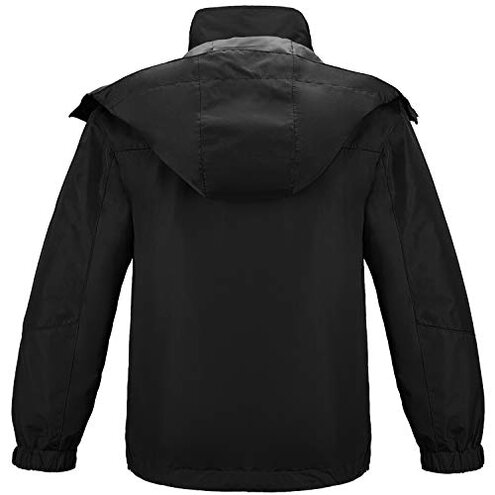
- Avoid it if your child needs dependable room for thick layering, because fit inconsistency is the most repeated regret point.
- Skip it if you need strong warmth for long snow play or windy days, since cold-weather performance appears less reliable than the design suggests.
- Pass if you want a low-hassle school coat, because the multi-piece setup adds more routine management than a standard insulated jacket.
- Look elsewhere if your child is rough on outerwear, since durability complaints are less frequent but more expensive when they show up.
Who this is actually good for
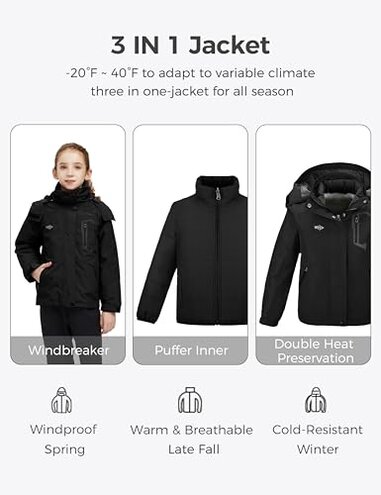
- Better fit for families in milder winter areas who value weather flexibility more than maximum insulation.
- Good option for buyers willing to size carefully and tolerate some fit guesswork to get a shell-plus-liner style.
- Works better if the jacket will be used mostly for short outdoor trips, not hours in deep cold.
- Reasonable choice for parents okay with leaving the layers assembled most of the time and accepting the extra setup trade-off.
Expectation vs reality
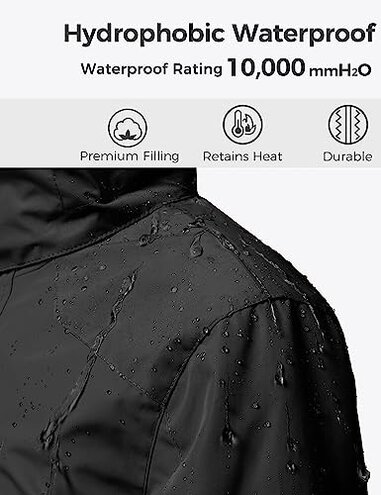
Expectation: A 3-in-1 kids winter coat should handle layering without much sizing drama.
Reality: Fit complaints appear repeatedly, and the problem gets worse when the weather actually requires thicker layers.
Expectation: A ski-style jacket should feel ready for cold, wet outdoor use.
Reality: Warmth concerns are not universal, but they persist enough in harsher conditions to matter more than expected.
Reasonable for this category: Mid-range kids coats should survive regular school wear with minimal fuss.
Reality: Durability issues are less common than fit complaints, but they feel worse than normal because they interrupt daily use, not just appearance.
Safer alternatives
- Choose roomier cuts if layering matters, and check for buyer feedback that mentions hoodies or sweaters underneath.
- Prioritize single-piece insulation if your child needs true winter warmth more than weather flexibility.
- Look for zipper-specific praise if daily school use will be heavy, because closure reliability matters more than extra features.
- Prefer simpler designs if mornings are rushed, since one-piece coats reduce the hidden management burden of attachable layers.
- Shop by climate rather than labels like ski or all-weather, because those terms can overstate real cold performance.
The bottom line
Main regret trigger is the gap between the jacket’s flexible promise and the more limited real-world fit and warmth confidence some families experience. That exceeds normal category risk because buyers expect kids winter coats to be forgiving with layers and straightforward for daily use. Verdict: avoid it if you need predictable sizing, simple mornings, or reliable cold-weather protection without extra trial and error.
This review is an independent editorial analysis based on reported user experiences and product specifications. NegReview.com does not sell products.