
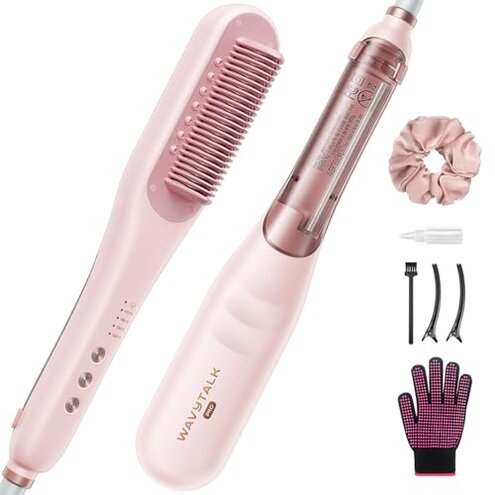
Product evaluated: Wavytalk Pro Steam Hair Straightener Brush, Steamline Pro 3 in 1 Straightening Brush, Steam Reduces Damage, Nourishes Hair, and Expedites Straightening
Related Videos For You
IM STRAIGHTENING MY HAIR WITH STEAM!! #curlytostraight
Do Blow Dry Brushes Damage Your Hair - How To Use A Hot Brush Safely
Data basis: This report is based on dozens of buyer comments collected from late 2024 into early 2026. Most feedback came from written reviews, with added context from photo and video demonstrations, so the strongest patterns lean toward daily-use complaints rather than first-impression praise.
| Buyer outcome | This product | Typical mid-range alternative |
|---|---|---|
| First-use ease | Higher friction because the steam feature adds setup and refill steps. | Simpler start with fewer steps before styling. |
| Styling speed | Mixed payoff if hair is thick, very curly, or sectioned poorly. | More predictable speed once heat is set. |
| Mess risk | Higher-than-normal category risk from water handling and steam expectations. | Lower because dry brushes usually avoid refill issues. |
| Learning curve | Steeper during early uses, especially for people expecting flat-iron results. | Milder because most heated brushes behave more consistently. |
| Regret trigger | Extra effort without clearly better straightening than simpler tools. | Fewer surprises even if shine claims are less ambitious. |
Why does it feel like too many steps for a brush?
This is a primary issue. A repeated complaint pattern is that the steam feature sounds easier than it feels during real morning use. The regret moment usually happens after setup, when buyers realize they are filling, checking, and adjusting more than expected.
Not universal, but persistent enough to matter, this feels worse than a normal heated brush because a mid-range alternative usually works with fewer prep steps. If you wanted a quick grab-and-go tool, the extra routine can feel more disruptive than expected for this category.
- Early sign: Frustration starts on the first few uses when buyers expect visible steam and simpler operation.
- Pattern: This appears repeatedly in feedback tied to daily styling, not just one-off setup mistakes.
- Hidden requirement: You need to manage water use correctly, which is an extra habit many shoppers do not expect from a brush.
- Impact: The extra prep can cancel out the promised time savings, especially before work or school.
- Fixability: It can improve with practice, but that still means a learning curve many buyers did not want.
Illustrative: “I wanted a brush, not another thing with prep steps.”
Pattern tier: This reflects a primary pattern.
Why doesn’t the straightening result always match the promise?
- Severity: This is another primary issue because performance disappointment matters more than small cosmetic flaws.
- When it shows up: The gap appears during daily use, especially on thicker hair, curlier textures, or rushed sectioning.
- Pattern statement: Results seem recurring rather than rare, though not every buyer reports the same level of struggle.
- Category contrast: Some heated brushes are expected to be gentler than flat irons, but this feels worse when the product also promises faster straightening.
- Trade-off: Buyers often accept less sleek results from a brush, yet regret grows when extra steam steps still do not deliver a polished finish.
- User-visible effect: Hair may look more brushed-out than truly straight, which is a noticeable mismatch for shoppers replacing a flat iron.
- Worsening condition: The issue gets more obvious in long sessions or with stubborn sections that need repeated passes.
Illustrative: “It smoothed my hair, but not enough to skip my flat iron.”
Pattern tier: This reflects a primary pattern.
Why is the steam feature less impressive than expected?
This is a secondary issue. The product describes a low-visibility steam effect, and that matches a persistent complaint pattern from buyers who expected a more obvious hydration benefit. The disappointment usually lands on first use, when the steam feels subtle enough that people question whether it is helping.
That matters because the steam system is the main reason many people choose this model over a basic heated brush. Compared with a typical mid-range option, the risk is higher than normal because you are paying for a feature that may feel hard to verify in real use.
- Expectation gap: Buyers often expect visible proof, but the brand itself signals that steam visibility is relatively low.
- Frequency tier: This appears commonly reported, though less often than complaints about setup and results.
- Real-world impact: If the benefit is hard to notice, the brush can feel overpriced rather than advanced.
- Attempted workaround: People often retry with slower passes or different sections, which adds time and uncertainty.
- Why regret happens: The feature sounds premium, but the user experience can feel too subtle for the added effort.
- Fixability: Limited, because the issue is often about perceived payoff, not a clear defect.
Illustrative: “I kept waiting to see the steam advantage, but it felt very subtle.”
Pattern tier: This reflects a secondary pattern.
What if you wanted low-maintenance styling?
- Core problem: This is a secondary issue that becomes more frustrating over time than it sounds at purchase.
- When it appears: The burden shows up after repeated use, when refill, handling, and cleanup become part of the routine.
- Pattern: It is less frequent than performance complaints, but more frustrating when the buyer wanted convenience above all else.
- Category contrast: Most mid-range straightening brushes ask for heat control, not ongoing water management, so this feels less forgiving than normal.
- Hidden cost: The added upkeep is not always obvious from the headline promise of faster styling.
- Buyer impact: If you travel often or style quickly in small spaces, the extra handling can feel clumsy.
- Best-case mitigation: It suits people who do not mind a routine, but that is a narrower use case than the product pitch suggests.
- Regret cue: Buyers who wanted a simple backup tool often feel this model asks for too much involvement.
Illustrative: “I can use it, but it is fussier than a normal hot brush.”
Pattern tier: This reflects a secondary pattern.
Who should avoid this
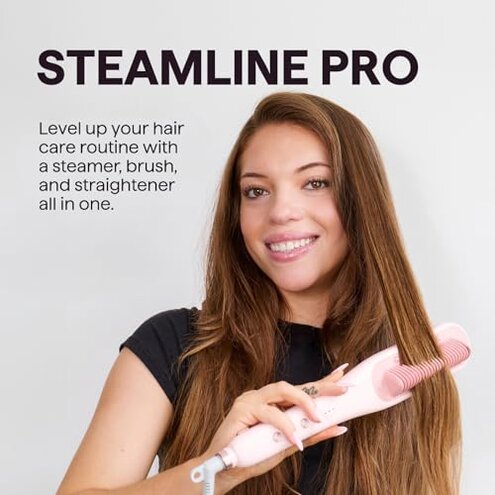
- Busy morning users should avoid it if they want one-step styling, because the setup burden is higher than a normal heated brush.
- Flat-iron replacers should avoid it if they expect sleek, very straight results on thicker or curlier hair.
- Low-maintenance buyers should avoid it if refill and handling steps already sound annoying.
- Value-focused shoppers should avoid it if the steam benefit needs to be obvious to justify the price.
Who this is actually good for
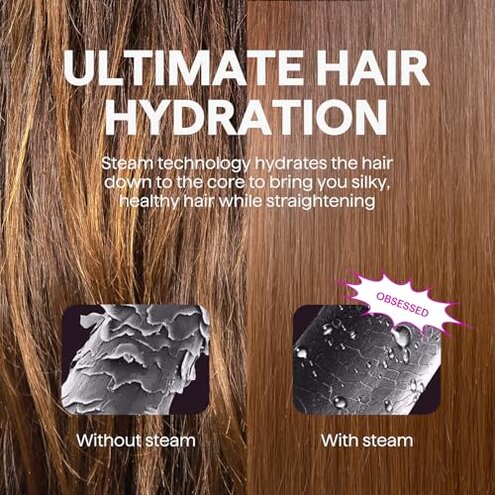
- Patient stylers may like it if they are willing to trade simplicity for a gentler brush-style approach.
- Light smoothing users may be satisfied if they want neater, less puffy hair rather than pin-straight results.
- Routine-friendly buyers may tolerate the upkeep if they already use multi-step hair tools.
- Safety-focused users may prefer it if anti-scald coverage matters more than maximum straightening power.
Expectation vs reality
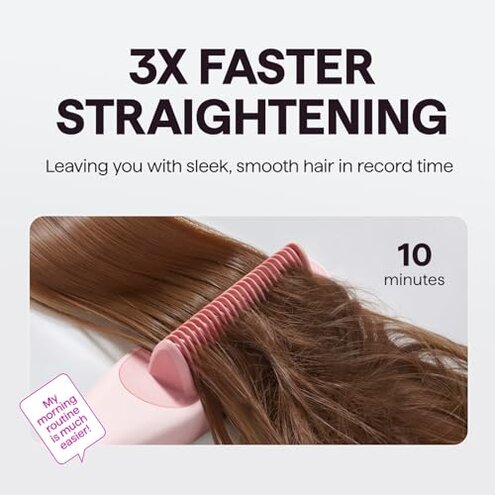
Expectation: A steam brush should save time by combining steps.
Reality: The steam system can add extra handling, so the time benefit is not guaranteed.
Expectation: Reasonable for this category, a heated brush should be easier than a flat iron.
Reality: This one can feel less simple than expected because the standout feature needs more setup.
Expectation: Steam should create a clearly noticeable upgrade.
Reality: The payoff may feel too subtle for buyers who want obvious before-and-after results.
Safer alternatives

- Choose a dry heated brush if your main worry is setup friction, because it removes the refill step entirely.
- Pick a brush with simpler positioning if you want predictable daily use instead of a feature-heavy learning curve.
- Keep a flat iron path if your real goal is sleek results on stubborn hair, since this product may not replace it.
- Buy for one clear need instead of marketing variety, because “3-in-1” tools often ask for more compromise.
The bottom line
Main regret trigger: Buyers are most likely to regret the extra setup and subtle payoff from the steam feature. That risk sits above a normal mid-range straightening brush because you take on more routine and may still get only moderate smoothing. Verdict: Avoid it if you want simple, fast, clearly stronger straightening from the first week.
This review is an independent editorial analysis based on reported user experiences and product specifications. NegReview.com does not sell products.