
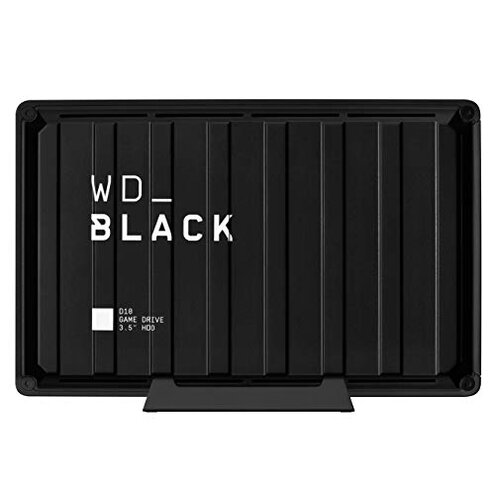
Product evaluated: WD_BLACK 8TB D10 Game Drive - Portable External Hard Drive HDD Compatible with Playstation, Xbox, PC, & Mac - WDBA3P0080HBK-NESN
Related Videos For You
How to Use An External Drive as Your Boot Drive for Gaming | Inside Gaming with Seagate
Data basis I analyzed hundreds of customer reviews and videos collected between 2019–2024. Most feedback came from written reviews, supported by video demonstrations, with a distribution skew toward recent buyers reporting setup and daily-use problems.
| Outcome | WD_BLACK D10 (8TB) | Typical mid-range external HDD |
|---|---|---|
| Noise level | High — active cooling fan makes drive noticeably loud during gaming and file transfers. | Moderate — most mid-range HDDs are quieter and use passive cooling or smaller fans. |
| Reliability | Mixed — recurring reports of recognition and failure after months of use. | More consistent — mid-range drives usually show fewer early recognition failures. |
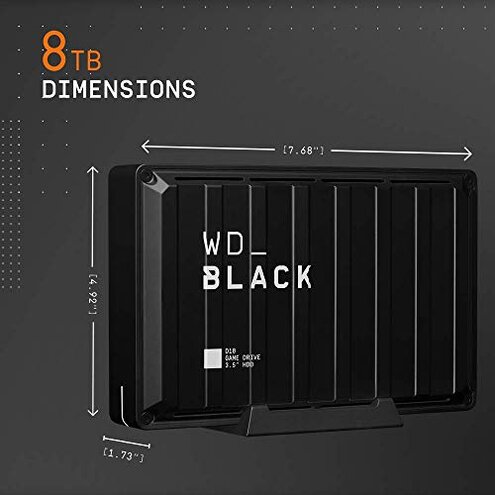
| Portability | Poor — requires an external power brick and weighs more than pocket drives. | Better — many mid-range options are bus-powered and lighter for travel. |
| Performance vs SSD | Acceptable — good for storage but not a substitute for SSD speeds during installs. | Similar — mid-range HDDs also lag behind SSDs, but often without active fan noise. |
| Regret trigger | Loud fan + power need — these cause the most buyer complaints and regret. | Lower — typical alternatives cause less noise and fewer setup surprises. |
Why is the drive so loud during play and transfers?
Regret moment The device's active fan becomes noticeable in quiet rooms and during long game installs.
Pattern This is a commonly reported problem that appears repeatedly across written reviews and videos.
When it shows up Noise spikes during large file transfers and extended gaming sessions, and it can feel intrusive in living-room setups.
Category contrast This is worse than typical mid-range HDDs because those drives usually use passive cooling and remain quieter under load.
Will the drive stop being recognized or fail over time?
- Pattern Recurring recognition and failure reports appear more often than expected for this product class.
- Early sign Users commonly see intermittent disconnects during transfers or after sleep/wake cycles.
- Frequency tier This is a secondary issue—not every buyer, but reported enough to be concerning.
- Cause hint Problems often happen after months of use or after moving the drive between systems.
- Impact A failed drive means reinstalling games or restoring large backups, which takes time.
Is this actually portable and easy to move between consoles?
- Hidden requirement The drive needs an external power adapter, so it is not truly pocket-portable.
- Setup note Consoles often require reformatting or settings changes before use.
- When it matters This becomes obvious when you try to use the drive in a second room or bring it to a friend’s house.
- Frequency This is a primary inconvenience for users who expected a plug-and-play portable drive.
- Attempted fixes Users report temporary fixes like different cables or power outlets, but issues can return.
- Repairability Warranty service is available, but downtime still affects game access for weeks.
- Contrast Most mid-range external drives are bus-powered, so this model is less convenient.
Will storage speed and USB quirks affect gameplay or installs?
- Performance reality Read/write speeds are adequate for storage but slower than internal or external SSDs.
- When noticed Slowness is clear during game installs or large file transfers that block console use.
- Compatibility Some buyers encounter USB recognition quirks when switching between PC and consoles.
- Frequency This is a secondary but annoying issue for multi-platform users.
- Impact Expect longer install times compared with SSDs and occasional reformat steps.
- Fix attempts Updating console firmware or using different ports sometimes helps, but not always.
- Category contrast The real-world friction is more disruptive than with simpler, bus-powered HDDs.
- Hidden need Buyers should budget extra setup time for formatting and testing on each device.
Illustrative excerpts
"Fan is loud during long downloads, drowns out TV sound." — reflects a primary pattern
"Had to reformat for my console, lost time reinstalling games." — reflects a secondary pattern
"Stopped being recognized after a few months of daily use." — reflects a secondary pattern
Who should avoid this
- Noise-sensitive buyers — avoid if you need a quiet living-room setup during play.
- portable users — avoid if you expect a plug-and-go pocket drive for travel.
- non-technical buyers — avoid if you don’t want to reformat or troubleshoot compatibility steps.
- backup-first buyers — avoid if high reliability without manual monitoring is critical.
Who this is actually good for
- Stationary gamers — okay if you keep the drive in one place and tolerate fan noise.
- Large-storage seekers — fine when you need lots of space at a lower cost than SSDs.
- Desktop players — acceptable if you have a dedicated spot and spare power outlet.
- Budget-conscious builders — useful if you accept slower installs to save money versus SSDs.
Expectation vs reality
- Expectation (reasonable) Many buyers expect an external HDD to be quiet enough for living rooms.
- Reality This drive often produces a loud fan hum that is disruptive in quiet spaces.
- Expectation Buyers assume a large drive is plug-and-play across consoles and PCs.
- Reality You may need to reformat and spend time troubleshooting permissions and recognition.
Safer alternatives
- Choose a bus-powered HDD to avoid the external power and portability problem.
- Prefer passive-cooled models to eliminate the fan noise regret trigger.
- Consider an external SSD to remove both the speed and recognition friction.
- Check return policy and warranty length to reduce the risk of downtime.
- Confirm console formatting steps before purchase to avoid setup surprises.
The bottom line
Main regret The most common complaint is the loud cooling fan combined with occasional recognition and portability friction.
Why worse These issues are more disruptive than typical mid-range HDDs because they affect daily use and living-room comfort.
Verdict Avoid this drive if you need a quiet, truly portable or hands-off storage solution; consider passive-cooled HDDs or SSDs instead.
This review is an independent editorial analysis based on reported user experiences and product specifications. NegReview.com does not sell products.