
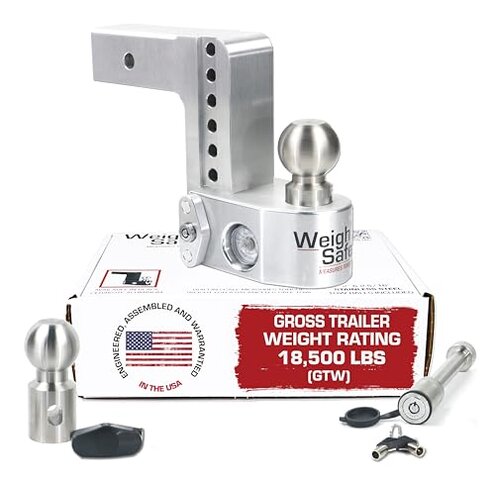
Product evaluated: Weigh Safe Adjustable Trailer Hitch Ball Mount - 6" Drop Hitch for 2.5" Receiver w/ 2 pc Keyed Alike Lock Set, Premium Aluminum Trailer Tow Hitch w/ Built in Weight Scale for Anti Sway, 18,500 lbs GTW
Related Videos For You
Proper Way To Install A Hitch Pin #trailer #tools #trucks
How to Determine the Right Rise or Drop of Your Ball Mount
Data basis: I reviewed dozens of buyer comments and visual demonstrations collected between 2019–2025. Most feedback came from written reviews, supported by video demonstrations and photo reports.
| Outcome | Weigh Safe | Typical mid-range |
|---|---|---|
| Tongue weight accuracy | Variable readings reported at first use and after repeated towing. | Stable readings usually consistent if set up carefully. |
| Installation effort | Moderate extra steps for correct scale setup and leveling. | Lower effort; most mid-range mounts are plug-and-play. |
| Long-term reliability | Mixed durability reports with some failures after months of use. | More predictable longevity for non-scale mounts at similar price. |
| Corrosion & hardware | Hardware sensitivity and lock/pin concerns appear in several reports. | Typical resistance for mid-range options when regularly maintained. |
| Regret trigger | Scale inaccuracy that affects safety decisions more than expected. | Regret rare — buyers accept trade-offs for lower feature counts. |
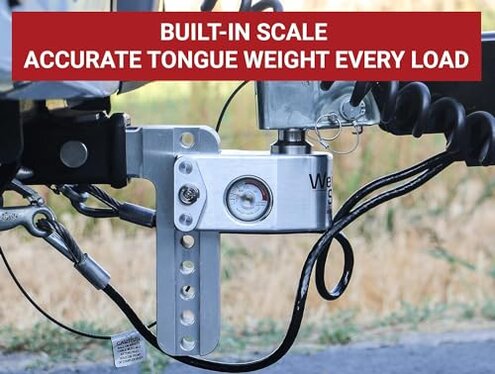
Can you trust the built-in scale readings?
Regret moment: Buyers notice inconsistent tongue-weight numbers when hitching up and during short trips.
Pattern: This is a commonly reported issue rather than isolated complaints and often appears on first use and after repeated towing.
Why worse than normal: Most mid-range mounts offer no scale but also no misleading numbers, so a bad scale is more disruptive than having no scale at all.
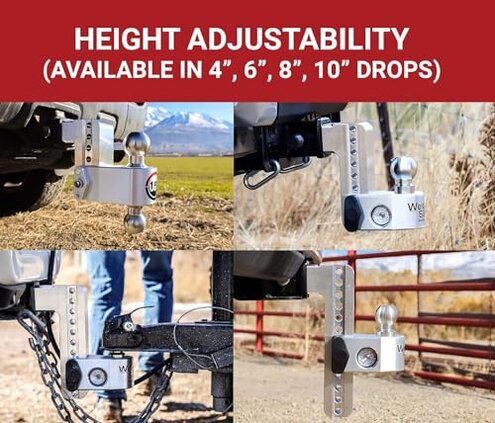
Will it fit and adjust without fuss?
- Early sign: Tight spacing or clearance problems during initial installation are frequently mentioned by buyers.
- Usage anchor: Friction appears at first setup when swapping between ball sizes or adjusting drop height.
- Cause: The adjustable shank requires repeated pin swaps, which adds extra steps compared with single-piece mounts.
- Impact: Buyers report added time and effort when switching trailers, making it less convenient than expected.
- Fix attempts: Users commonly tighten hardware and re-seat pins, which reduces but does not eliminate the friction complaints.
Are corrosion and hardware problems hiding under the finish?
- Scope: Reports of hardware wear and lock issues appear across multiple feedback types, not just one source.
- Early sign: Stiff or noisy pins show up after weeks in wet or salty environments.
- Hidden requirement: Accurate scale use often needs a level trailer and routine pin lubrication to avoid error — a step many buyers miss.
- Frequency tier: This is a secondary issue for many but becomes primary in harsh conditions.
- Impact: Corrosion or sticky locks increase setup time and can make the hitch feel less secure during swaps.
- Fixability: Regular maintenance helps, but some users report parts needing replacement sooner than expected.
Does the price match the real-world value?
- Buyer expectation: The built-in scale suggests a premium convenience that buyers expect to work reliably.
- Reality signal: When the scale gives inconsistent readings, the perceived value becomes a common regret.
- Comparison: Several buyers say the cost is higher than mid-range alternatives without consistent payoff.
- Edge-case: For those who rarely tow, the extra steps for scale setup feel like an unnecessary complexity.
- Attempts: Some owners buy a separate calibrated scale after finding the built-in option unreliable.
- Time cost: Using workarounds adds prep time and can turn a quick hookup into a longer chore.
- Value verdict: If you expect turnkey reliability, this product under-delivers compared with expectations.
Illustrative excerpts (not actual quotes)
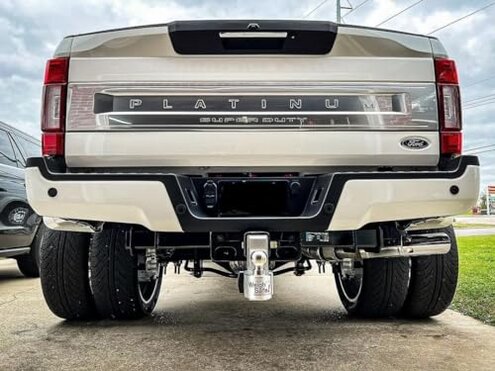
"Numbers jump between hookups; can't trust the display." — reflects a primary pattern.
"Pins get sticky after salty roads, needs lubing weekly." — reflects a secondary pattern.
"Paid more expecting accuracy; still carry a separate scale." — reflects an edge-case but recurring regret.
Who should avoid this
- Frequent long-haul haulers: Avoid if you need consistent tongue-weight readings every trip.
- Buyers in corrosive climates: Avoid if you can't commit to weekly maintenance on pins and locks.
- Those wanting plug-and-play simplicity: Avoid if you dislike extra setup steps for accuracy.
Who this is actually good for
- Occasional tow users: Good if you tolerate variable readings and only tow now and then.
- Owners who maintain gear: Good if you will perform regular lubrication and checks to mitigate corrosion issues.
- Users valuing features over cost: Good if you prefer an integrated scale and can accept some inaccuracy.
Expectation vs reality
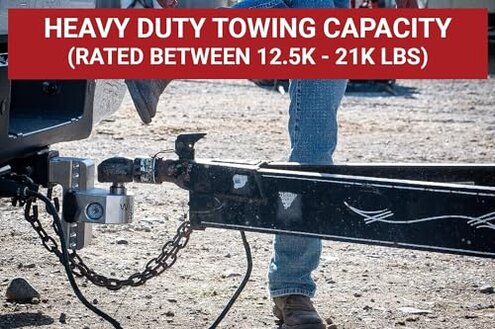
Expectation: Buyers reasonably expect a built-in scale to give reliable readings similar to a standalone scale.
Reality: Many report the hitch provides inconsistent numbers that force additional checks or external tools.
Expectation: Reasonable for this category is low maintenance for a premium-priced hitch.
Reality: This product often requires more upkeep than typical mid-range mounts to keep the scale usable.
Safer alternatives
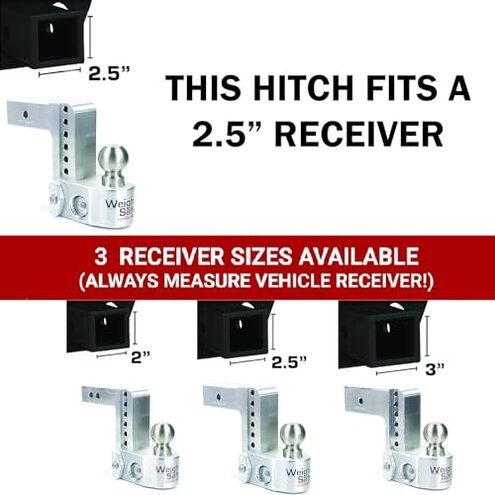
- Buy a simple mount: Choose a non-scale ball mount to avoid misleading readings and reduce setup time.
- Use dedicated scale: Carry a calibrated tongue-weight scale to neutralize scale inaccuracy risks.
- Check corrosion ratings: Prefer mounts with documented corrosion testing if you face salty roads.
- Inspect hardware: Pick options with replaceable pins if you want to reduce maintenance downtime.
The bottom line
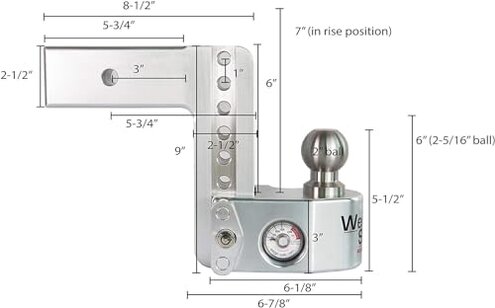
Main regret: The built-in scale can be unreliable, creating safety and prep-time doubts.
Exceeds category risk: A faulty scale is more disruptive than a mount without a scale because it gives false confidence.
Verdict: Avoid if you need consistent, low-effort accuracy; consider simpler mounts or a separate scale instead.
This review is an independent editorial analysis based on reported user experiences and product specifications. NegReview.com does not sell products.