
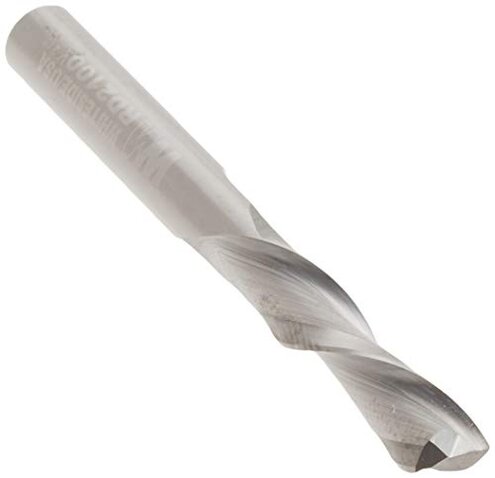
Product evaluated: Whiteside Router Bits RFTD2100 1/4-Inch Cutting Diameter and Spiral Flush Trim Bit with Down Cut
Related Videos For You
The WORST router flush trimming MISTAKES (You’re doing it WRONG)
Router Bits for Beginners | Rockler Skill Builders
Data basis This report is based on dozens of customer evaluations and demo videos collected between Dec 2023 and Dec 2025. Most feedback came from written reviews, supported by video demonstrations and forum-style problem reports.
| Outcome | This product | Typical mid-range alternative |
|---|---|---|
| Price | Higher sticker than many basic trim bits for a single piece. | Lower-cost bits usually match performance for basic flush trimming tasks. |
| Durability | Primary complaints report faster dulling under hardwood and laminate use. | Mid-range alternatives usually last longer before needing sharpening. |
| Bearing reliability | Higher-than-normal risk of bearing noise or seizure appears in feedback. | Typical mid-range bits rarely show bearing failure so early. |
| Smoothness / runout | Some users report wobble or vibration on first use. | Mid-range competitors often ship with tighter tolerances and less runout. |
| Regret trigger | Value loss when a pricey bit dulls or binds quickly. | Lower regret when a cheaper bit performs reliably for longer. |
Why did the bit dull so quickly on hardwood and laminates?
Regret moment You notice rough edges after just a few passes, especially in hardwoods and melamine. This causes extra sanding and rework that cancels the time saved by using a router.
Pattern This is a primary complaint and appears repeatedly in buyer feedback. It usually shows up within the first few uses when users cut oak, maple, or laminate.
Category contrast Dulling is worse than expected because mid-range trim bits typically handle dozens of similar cuts before serious edge wear appears.
Why are bearings noisy or seizing during use?
- Scope Bearing issues are a common secondary complaint across written reviews and videos.
- When it shows up Problems often appear after repeated use or after routing over adhesive-backed materials.
- Early sign Small grinding noises or rough spinning felt by hand before full seizure.
- Cause Debris and glue build-up around the double bearings is commonly reported as the trigger.
- Fixability Some buyers cleared debris or replaced bearings, but this adds extra time and cost.
Is wobble or runout a problem with this bit?
- Frequency tier Runout reports are a persistent secondary issue but not universal.
- Usage anchor Wobble often appears on first installation or when collets are slightly worn or dirty.
- Early sign Slight vibration at the router base felt during a test cut.
- Cause Imperfect shank centering or loose collet grip is commonly implicated.
- Impact Vibration causes chatter marks and uneven template follow, needing extra sanding.
- Category contrast Mid-range bits typically arrive trued with less runout, so this performance is below expectation.
- Hidden requirement Precise collet cleanliness and torque are needed to avoid this issue, which buyers often underestimate.
Does the price match the lifetime performance?
- Primary concern The bit is often priced above basic alternatives yet shows some durability issues.
- When it hurts Value disappointment becomes clear after the first project if the cutter dulls or bearings fail.
- Cause Buyers report higher expectations for lifespan given the brand and price point.
- Attempts Some users buy replacements or send for sharpening, adding expense and downtime.
- Impact Total cost of ownership may exceed cheaper bits when factoring replacements and fixes.
- Edge-case A few buyers note perfect performance, but that is less common than the value complaints.
- Fixability Regular cleaning and correct speeds help, but they raise upkeep above typical mid-range tolerance.
Illustrative excerpts (not real quotes)
"Bit dulled after a few cuts in oak, left rough edges needing sanding." — Primary pattern
"Bearing started to squeal after routing laminate, had to clean it out." — Secondary pattern
"Felt wobble on first install; runs better after re-seating but still chatter." — Secondary pattern
"Paid more expecting longer life; now debating replacement costs." — Edge-case / value pattern
Who should avoid this
- Hardwood pros who expect durable cutters for repeated oak or maple trimming work.
- High-volume shops that can’t tolerate bearing maintenance downtime or frequent sharpening.
- Beginners who want a low-maintenance, plug-and-play trim bit without setup tweaking.
Who this is actually good for
- Occasional DIYers who do one-off trim jobs and can accept shorter life for better initial cutting.
- Budget-conscious woodsmen who value immediate crisp cuts over long-term durability and will replace bits.
- Users comfortable with maintenance who will clean bearings and control router speed to extend life.
Expectation vs reality
- Expectation Reasonable for this category: a 1/4" flush trim bit should handle many template passes before dulling. Reality The product can dull after a few hardwood passes, causing extra sanding and rework.
- Expectation Bearings should run quietly with light maintenance. Reality Bearings are more prone to debris buildup and noise, increasing upkeep time.
- Expectation Paid premium gets premium lifespan. Reality Higher price does not always match longer service life compared with mid-range alternatives.
Safer alternatives
- Buy balanced options Look for bits advertised with runout guarantees or truing checks to avoid wobble.
- Prefer sealed bearings Choose bits with sealed bearings if you route adhesives or laminates often to reduce failure risk.
- Consider carbide grade Pick bits specifically rated for hardwood or laminate cutting if you need longer edge life.
- Lower-cost backups Keep an inexpensive spare for rough cutting to preserve a higher-performing final trim bit.
- Maintenance habit Clean bearings and check collet fit before second use to reduce several common failures.
The bottom line
Main regret Buyers most commonly report fast dulling and occasional bearing problems that increase time and cost.
Why worse These failures exceed normal mid-range risk because they appear early and require recurring maintenance or replacement.
Verdict Avoid this bit if you need long-lasting, low-maintenance performance for hardwood or high-volume work.
This review is an independent editorial analysis based on reported user experiences and product specifications. NegReview.com does not sell products.