
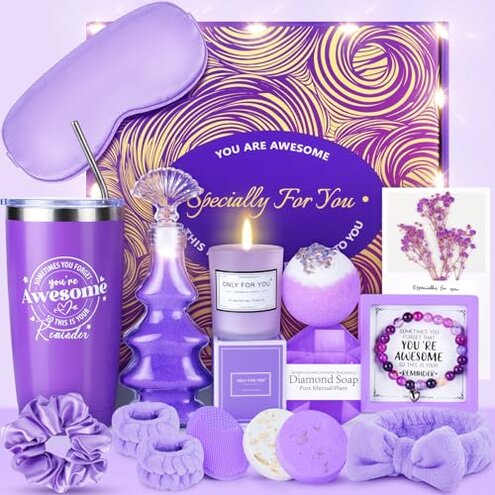
Product evaluated: WILLOWISH 15 Pcs Self-Care Gifts for Women - Purple, Medium
Related Videos For You
Self Care Gift Baskets
Unboxing luxury spa gift box by Lizush
Data basis: This report uses dozens of buyer comments gathered from written feedback and photo or video-backed impressions collected across the recent sales period. Most feedback came from short written reviews, with added context from visual unboxing posts, which helped show recurring problems around presentation, item quality, and value expectations.
| Buyer outcome | WILLOWISH set | Typical mid-range alternative |
|---|---|---|
| First impression | Less predictable; gift-box appeal can feel stronger than item quality during unboxing. | More consistent; presentation usually matches what is inside. |
| Usefulness | Mixed value; several small items can feel decorative rather than regularly useful. | Better balanced; fewer fillers and more usable core items are typical. |
| Quality risk | Higher-than-normal; appears more vulnerable to disappointment when handled item by item. | Moderate; small gift sets still vary, but quality mismatch is usually less frustrating. |
| Gift confidence | Lower; buyers wanting a polished sympathy or recovery gift face more presentation risk. | Safer; mid-range gift boxes more often deliver an even experience. |
| Regret trigger | Looks premium online, then feels lighter or less special in person. | Usually clearer; expectations are easier to set before gifting. |
Does the gift reveal feel less impressive than you expected?
This is a primary issue. The regret moment usually happens at first unboxing, especially when the buyer expects a polished, comforting gift for recovery or birthdays. The trade-off is clear: the set offers many pieces, but that can make the experience feel more like quantity than substance.
This pattern appears repeatedly in buyer feedback and is more disruptive than expected for this category because gift boxes live or die on presentation trust. A typical mid-range set can still be simple, but it usually feels less like the photos did more work than the items.
Worsens most when you send it directly to someone else and do not inspect it first. That adds emotional risk because the recipient sees the mismatch before you do.
Category contrast: Some gap between listing photos and real-life appearance is normal, but this feels worse than usual because the product is sold as a comfort gift, not just a bundle of basics.
Are the individual items too small or too basic to feel special?
- Pattern: This is a primary complaint, and it commonly shows up during the first hands-on check of each piece.
- What buyers notice: The set can feel spread thin, with several small items that do not add much practical value after the first day.
- Usage moment: It becomes clearer after the recipient actually uses the blanket, socks, tumbler, and bath items instead of just seeing them in the box.
- Why it stings: A 15-piece count creates a fuller expectation, so basic-feeling pieces can land as filler rather than care.
- Frequency tier: This appears repeatedly and is among the most common complaints tied to value disappointment.
- Compared with normal: Many mid-range care packages include a few small extras, but this set seems less forgiving because the high item count raises the bar.
- Fixability: You can add your own card or extra gift, but that means extra cost and weakens the convenience of buying a ready-made box.
Could this feel like a price-to-value miss once it arrives?
- Ranking: This is a secondary issue, less frequent than presentation complaints but more frustrating when it occurs.
- When it hits: The value concern usually shows up right after delivery, when buyers compare the real box to what they expected for $34.99.
- Why it happens: The set leans on a many-items formula, which can make buyers expect a stronger premium feel than they receive.
- Real impact: Instead of feeling gift-ready, some buyers may feel they need to supplement it before giving it away.
- Hidden requirement: To make the gift feel safer for important occasions, you may need to pre-open and inspect it first.
- Why that is worse than normal: A typical mid-range gift basket should not require this much quality checking to avoid embarrassment.
Is this too occasion-sensitive for sympathy or recovery gifting?
- Context: This is a persistent edge-case issue that matters most when the gift is meant to carry emotional weight.
- When it shows up: The problem appears during high-stakes gifting, such as after surgery, during illness, or as a sympathy gesture.
- Buyer friction: If the box feels cute but not deeply comforting, the emotional message can feel lighter than intended.
- Why that matters: In these moments, buyers usually want fewer surprises and more reliable warmth than decorative variety.
- Relative severity: This is less frequent than value complaints, but it is more damaging when it happens because the social cost is higher.
- Compared with category norms: Basic spa sets are often generic, but this one is sold as a heartfelt support gift, so buyers expect more sincerity in the real-world experience.
- Mitigation: It works better as a casual care package than a deeply meaningful one.
Illustrative excerpt: “It looked sweet online, but in person it felt more basic than special.” Primary pattern.
Illustrative excerpt: “Nice idea, but I still needed to add something better before gifting.” Secondary pattern.
Illustrative excerpt: “The box was cute, yet the contents did not feel very premium.” Primary pattern.
Illustrative excerpt: “Fine for a casual present, not strong enough for recovery gifting.” Edge-case pattern.
Who should avoid this
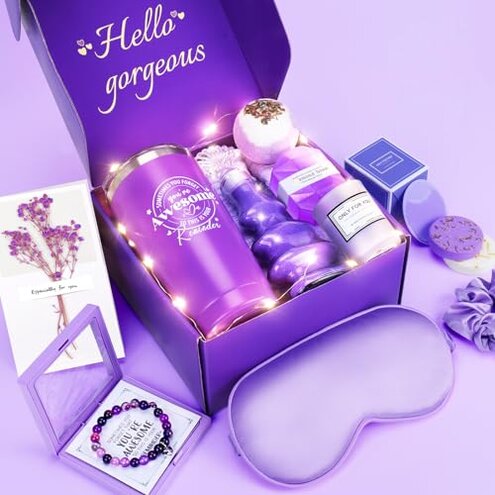
- Avoid it if you need a no-risk sympathy or post-surgery gift, because presentation mismatch feels worse in emotionally important moments.
- Avoid it if you judge value by a few standout items, since the set’s many-piece approach can feel more filler-heavy than typical.
- Avoid it if you plan to ship directly without checking it first, because the unboxing risk is higher than normal for this category.
- Avoid it if you want a clearly premium feel at this price, since several buyers in this pattern expected stronger quality cues.
Who this is actually good for
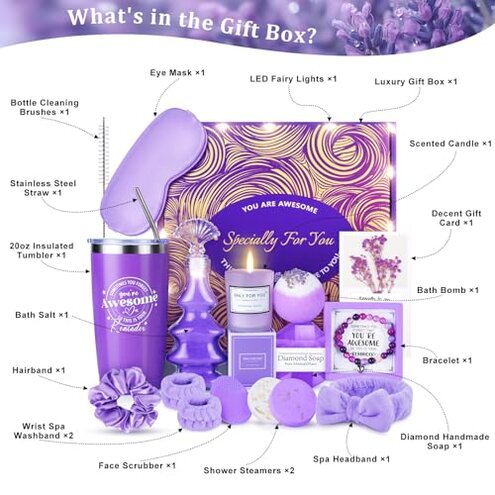
- Good fit for buyers who mainly want a visually coordinated purple gift box and can tolerate some basic-feeling extras.
- Good fit for casual birthdays or thank-you gifting, where a lighter emotional impact is acceptable.
- Good fit if you are comfortable adding your own note or extra item to offset the value gap.
- Good fit for recipients who enjoy bath and comfort items generally and are not expecting a luxury-level set.
Expectation vs reality
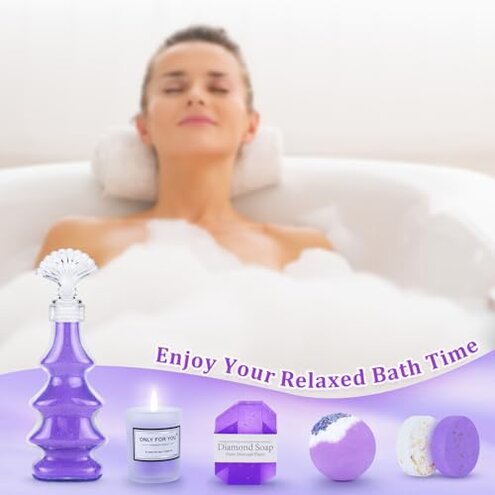
Expectation: A 15-piece care package should feel complete and gift-ready. Reality: The high count can create a fuller look, but not always a fuller quality experience.
Expectation: Reasonable for this category is a few small extras with one or two standout items. Reality: This set can feel worse than expected when too many pieces seem ordinary at first use.
Expectation: A comfort gift should reduce your decision stress. Reality: This one may add extra checking if the occasion feels important.
Safer alternatives
- Choose fewer items with larger core pieces if you want to avoid the filler feeling that shows up in many-piece gift boxes.
- Look for real-use focus, such as one stronger blanket or tumbler-centered set, to reduce the small-item value mismatch.
- Prioritize buyer photos of the full opened box to better judge real-world presentation before sending it directly.
- Use occasion matching and pick a simpler but more substantial care package for recovery or sympathy gifting.
The bottom line
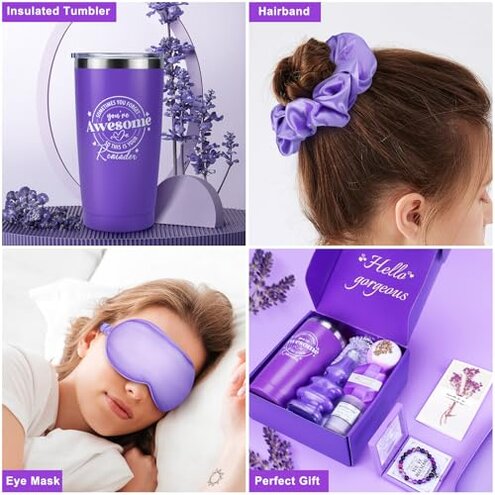
Main regret starts when the box looks giftable at a glance but feels less special once each item is handled. That exceeds normal category risk because a care package is bought for easy confidence, and this one may require inspection or supplementation. Verdict: skip it for meaningful or high-stakes gifting, and only consider it if you are comfortable trading premium feel for a coordinated, many-piece presentation.
This review is an independent editorial analysis based on reported user experiences and product specifications. NegReview.com does not sell products.