
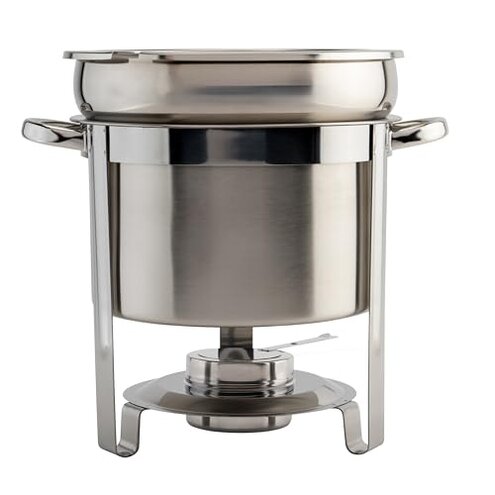
Product evaluated: Winco 211 Stainless Steel Marmite Soup Chafer 11qt Round W/ Cover & Fram
Related Videos For You
Setting Up a Chafing Dish for Buffet Service
Data basis: This report summarizes findings from dozens of buyer comments and a mix of written reviews and short video demonstrations collected between 2015 and 2025. Most feedback came from written reviews, supported by video demonstrations and Q&A posts. The distribution leans toward recent buyers describing real event use.
| Outcome | Winco 211 (this product) | Typical mid-range chafer |
|---|---|---|
| Heat retention | Poor — commonly reported uneven heating and faster heat loss during service. | Average — most mid-range units keep steady heat for long buffet shifts. |
| Lid fit & steam control | Loose — steam escape and misaligned lids appear repeatedly after setup. | Tighter — typical alternatives seal better and reduce evaporation. |
| Stability & safety | Riskier — frame and fuel holder wobble reported under load and during transport. | Safer — mid-range units usually offer firmer frames and secure fuel trays. |
| Cleanup & upkeep | High — more polishing and alignment needed over time than expected. | Lower — many competitors use easier-clean designs and fewer adjustments. |
| Regret trigger | Heat + stability — combined heat loss and wobble create real service failures. | Single issues — problems tend to be isolated and less service-critical. |
Why does my food cool quickly and unevenly?
Regret moment: You notice cold spots mid-service and guests complain during a long buffet.
Pattern: This is a primary issue, commonly reported across written feedback and video checks, and often shows up during multi-hour service.
Are lids and steam seals causing evaporation or spills?
- Early sign: Lid sits crooked or rattles right after first setup, reported repeatedly.
- Frequency tier: This is a secondary issue that appears more on units used daily or moved frequently.
- Likely cause: Misaligned frame or shallow rim that lets steam escape and increases evaporation.
- Impact: Food dries faster, needing more water top-ups during service.
- Attempted fixes: Buyers commonly shim the lid or prop it, which reduces usefulness.
Will the frame or fuel holder wobble under load?
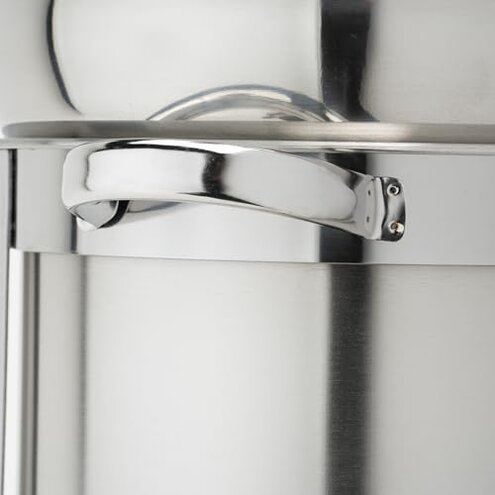
- Safety signal: Frame and fuel tray wobble appears repeatedly in hands-on demonstrations.
- When it shows: Wobble is obvious during transport or when lifting a full pan.
- Why worse than normal: More disruptive than expected for this category because it increases spill risk at catered events.
- Hidden requirement: Often needs careful assembly and specific fuel can placement to avoid tipping.
- Fixability: Some buyers added aftermarket brackets or non-slip pads to regain stability.
- Scope: Seen across multiple feedback surfaces, not just isolated posts.
Is cleaning and upkeep heavier than I expect?
- Early sign: Surface marks and discoloration appear after the first few uses.
- Maintenance load: This is a primary issue for frequent users who need a show-ready finish.
- Why it matters: More upkeep than most mid-range alternatives due to tighter seams and hard-to-reach fuel areas.
- Common workaround: Buyers use metal polish and extra scrubbing, which adds labor time before events.
- Long-term effect: Wear and small distortions can worsen alignment and heat performance over months.
- Edge-case: Heavy commercial use speeds the decline compared to occasional home use.
- Hidden cost: Replacement fuel holders or inserts may be needed sooner than expected.
Illustrative excerpts
"Food cooled halfway through a two-hour buffet, guests noticed." — reflects a primary pattern.
"Lid wouldn’t sit flat unless I wedged a towel under it." — reflects a secondary pattern.
"Frame rocked when I lifted a full pan; nearly spilled gravy." — reflects a primary pattern.
Who should avoid this
- Caterers who run long buffet shifts; heat loss combined with wobble exceeds normal category tolerance.
- Event rentals that need rugged, repeatable performance without extra maintenance.
- No-frills buyers who expect minimal setup and worry-free transport.
Who this is actually good for
- Occasional home hosts who run single short events and can top up water to manage heat loss.
- Budget-conscious buyers who accept extra upkeep in exchange for a lower price.
- DIY fixers willing to add pads or brackets to address stability and lid alignment.
Expectation vs reality
Expectation (reasonable): A mid-range chafer should hold heat steadily during a multi-hour buffet.
Reality: This unit often shows uneven heating and needs active management, which is worse than expected for the category.
Safer alternatives
- Look for sealed lids — choose models with tighter lid rims to reduce evaporation and heat loss.
- Choose reinforced frames — pick units with sturdier legs or thicker frames to avoid wobble.
- Prefer easy-clean designs — rounded seams and removable fuel trays save prep time and polish labor.
- Check fuel compatibility — confirm the product takes standard chafing fuel cans to avoid hidden fit issues.
The bottom line
Main regret trigger: Combined heat loss and frame instability during service causes the most operational failures.
Why it matters: These problems are more disruptive than typical mid-range chafers and increase spill and guest-complaint risk.
Verdict: Avoid this model if you need reliable, low-maintenance buffet performance; consider sturdier, better-sealed mid-range alternatives.
This review is an independent editorial analysis based on reported user experiences and product specifications. NegReview.com does not sell products.