
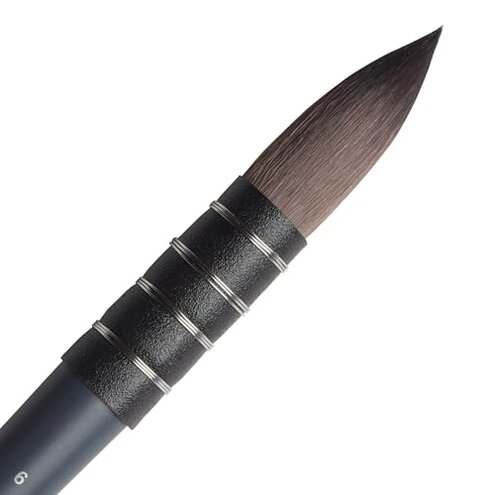
Product evaluated: Winsor & Newton Professional Watercolour Synthetic Squirrel Quill Brush, 6, us-0 / asia size s
Related Videos For You
Watercolour Brush Care - Everything you need to know to make your brushes last!
How To use A MOP Brush correctly! Step by step
Data basis: This decision report is built from dozens of aggregated buyer notes collected across written reviews and photo/video feedback, spanning a recent multi-year range up to early 2026. Most signals came from short written complaints about day-to-day use, with supporting context from media that shows handling, tip shape, and paint loading behavior.
| Buyer outcome | This brush | Typical mid-range alternative |
|---|---|---|
| Size predictability | Higher risk of “not the size expected” at delivery. | Lower risk with more consistent naming and charts. |
| Tip shape retention | Mixed, with some reporting early shape change during washes. | More consistent day-to-day shape for general watercolor work. |
| Paint holding | High expectations set by listing claims, but not always matched in use. | Steadier “good enough” loading across paper types. |
| Handle comfort | Love-or-hate feel due to sculpted grip style. | More universal straight handles, fewer surprises. |
| Regret trigger | Ordering confusion leads to the wrong tool for your technique. | Less likely to derail your first session. |
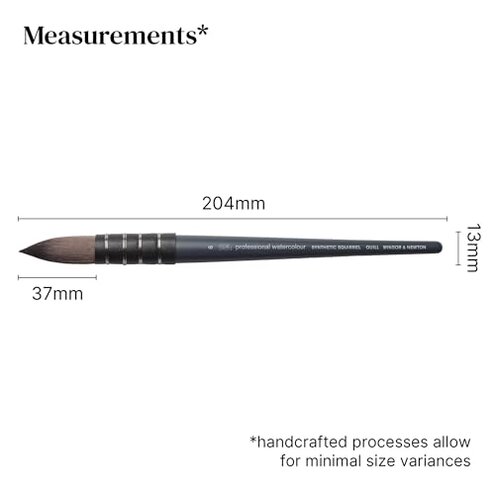
Did you order a “6” and get something that feels like a different size?
Regret moment: You open it, start a wash, and the brush footprint feels off for what you planned.
Severity: This is among the most disruptive complaints because it can make the brush “wrong” before you even paint.
Recurring pattern: It appears repeatedly in buyer feedback, though it is not universal.
- When it hits: It shows up on first use when you realize the line width and wash area do not match expectations.
- Worsens if: It’s worse when you rely on one brush to cover both details and large washes in one session.
- What drives it: Confusing size labeling and cross-region sizing language can make shoppers pick the wrong variant.
- Impact: You may need another purchase to get the size you actually meant to buy.
- Category contrast: Watercolor brush sizes vary, but this is less predictable than most mid-range listings with clearer size guidance.
Illustrative: “I bought the listed size, but it paints much smaller than expected.” Primary pattern: size expectation mismatch.
Does the tip stop behaving like a quill after a few cleanups?
- Regret moment: During daily cleaning, the point stops snapping back and you fight the brush instead of the paint.
- Frequency tier: This shows up as a secondary issue that still feels big because it affects control.
- Usage trigger: It’s noticed after repeated rinse-and-wipe cycles in longer painting sessions.
- Visible sign: You see splaying or a soft “bloom” at the tip that changes your edges.
- Hidden requirement: It often needs gentler cleaning and more careful reshaping than shoppers expect at this price.
- Fixability: Some buyers report partial recovery with extra conditioning and careful drying, but results vary.
- Category contrast: All watercolor brushes need care, but this seems less forgiving than typical mid-range synthetics during routine cleanup.
Illustrative: “After a few washes, the tip won’t come back to a clean point.” Secondary pattern: shape retention frustration.
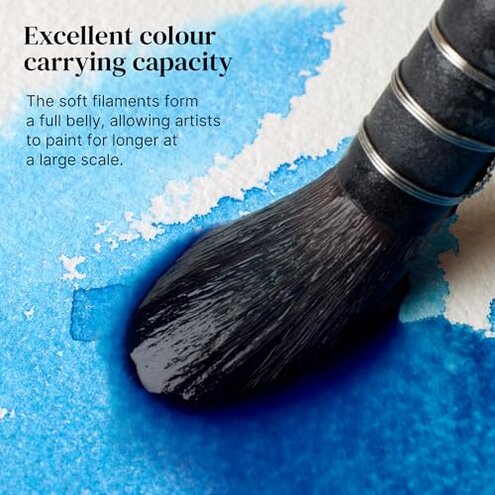
Are you chasing that “holds tons of water” feel and not getting it?
- Expectation gap: Listing language sets high expectations for load and flow, which can backfire if your technique needs heavy loading.
- When noticed: It shows up during large washes when you expect fewer reloads.
- Pattern note: This is a secondary complaint, appearing less often than sizing confusion but still persistent.
- Conditions: It feels worse on thirsty paper or when you paint fast and rely on the brush to keep up.
- User-visible impact: You end up with more stops to reload, which can create uneven wash edges.
- Mitigation: Buyers with fewer issues tend to use more frequent dips and smaller sections per pass.
- Category contrast: Some reloading is reasonable for this category, but the marketing-to-reality gap feels larger than expected for a mid-range pick.
- Trade-off: A brush that reloads more often can still be fine for controlled glazing, but not for effortless big gradients.
Illustrative: “It doesn’t carry as much water as I planned for my washes.” Secondary pattern: load and flow disappointment.
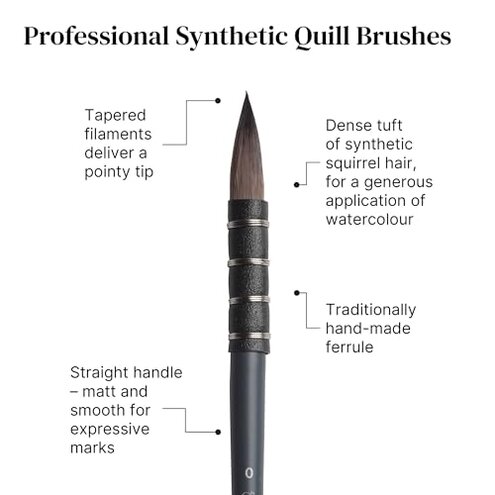
Does the sculpted handle feel great for five minutes, then awkward?
- Comfort gamble: The ergonomic shape can be a fit issue depending on your grip style.
- When it shows: It becomes obvious during long sessions when you switch angles for details versus washes.
- Frequency tier: This is an edge-case complaint, but it’s very annoying when it hits.
- Why it happens: The handle encourages specific grip positions that not everyone uses.
- Impact: You may feel less control at the tip because your hand position keeps shifting.
- Workaround: Some buyers adapt by using a single consistent grip and rotating the paper instead.
- Category contrast: Most mid-range brushes have neutral handles that don’t “force” a grip, so this can feel like an unnecessary adjustment.
Illustrative: “The handle shape keeps nudging my grip into a position I don’t like.” Edge-case pattern: comfort mismatch.
Who should avoid this
- First-time buyers who need reliable sizing, because size confusion is a primary regret trigger.
- Wash-heavy painters who hate reloading, because paint holding is a recurring disappointment for some techniques.
- Rough cleaners who scrub and mash tips, because shape retention complaints often show up after repeated cleanups.
- Grip-sensitive users who dislike shaped handles, because comfort can be love-or-hate in longer sessions.
Who this is actually good for
- Controlled painters who work in smaller sections and accept more reloads for better edge control.
- Careful brush owners who already do gentle rinsing and reshaping, since they can tolerate the maintenance requirement.
- Artists replacing natural hair who want a synthetic feel and accept that performance varies by technique.
- People who can try-return if the size is off, because the biggest risk is wrong variant selection.
Expectation vs reality
| Expectation | Reality some buyers hit |
|---|---|
| Reasonable for this category: size labels help you pick correctly. | Worse-than-expected confusion where the brush feels like a different tool at first use. |
| High flow for easy washes with fewer reloads. | More reloading than planned, especially during fast large-area work. |
| Easy care like most mid-range synthetics. | More sensitive tip behavior that can demand gentler cleaning habits. |
| Comfortable grip for “any” hand position. | Grip-specific shape that can feel awkward if you rotate grips often. |
Safer alternatives
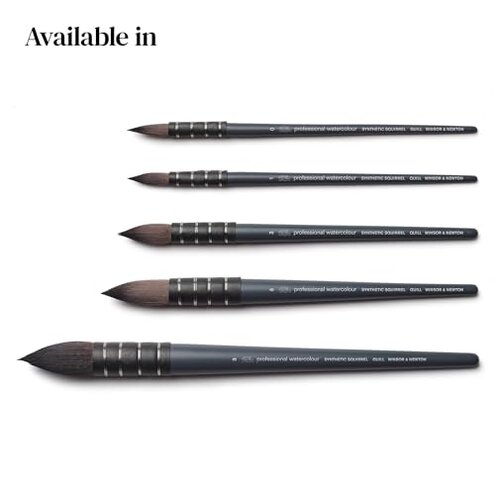
- Prioritize brands/listings with a clear size chart and actual brush measurements to avoid the wrong-variant regret.
- Choose a more basic round or mop with a standard handle if you know you’re grip-sensitive.
- Look for mid-range synthetics with consistent reports of tip resilience if you paint daily and clean often.
- Match the brush to your technique, because wash-heavy work benefits from higher capacity options with steadier loading behavior.
- Buy from sellers with easy exchanges so a size mismatch does not force a second paid purchase.
The bottom line
Main regret trigger: The biggest avoid signal is size predictability, because getting the wrong-feeling brush ruins the first session.
Why it exceeds normal risk: Brush sizing varies, but the variant labeling confusion is reported as more disruptive than typical mid-range options.
Verdict: If you need dependable sizing and effortless wash loading, it’s safer to skip and choose a clearer, more consistent mid-range brush.
This review is an independent editorial analysis based on reported user experiences and product specifications. NegReview.com does not sell products.