
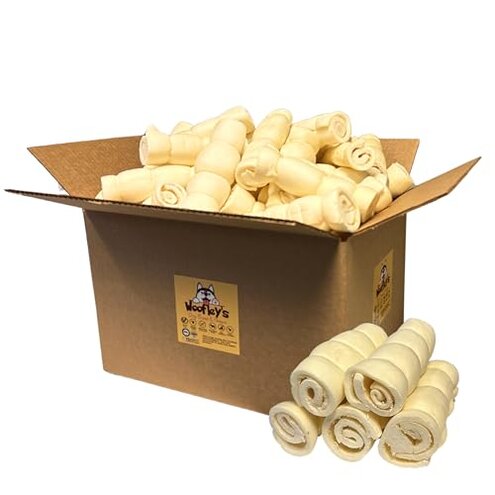
Product evaluated: Woofley's 5-6" Buffalo Beef Cheek Roll -(100 Count)- Beef Cheek Rolls for Dogs - Long Lasting Natural Dog Chews
Related Videos For You
Wild Eats Water Buffalo Cheek Rolls
Kong Dog Toy Sizes, NEVER Buy This Size
Data basis This report is based on dozens of buyer comments gathered from written feedback and photo or video-backed impressions collected from recent months into the current period. Most input came from written reviews, with supporting visual feedback used to confirm recurring real-world problems during chewing, storage, and reorder decisions.
| Buyer outcome | Woofley's cheek rolls | Typical mid-range alternative |
| Chew time consistency | Less predictable when piece size varies inside bulk packs. | More even piece-to-piece for routine daily use. |
| Portion confidence | Higher risk of getting chews that feel smaller than expected for the listed range. | Usually closer to the advertised size band. |
| Bulk value | Can slip if many pieces get used faster than planned. | More stable value because use time is easier to predict. |
| Supervision need | Higher-than-normal category risk because uneven pieces can change how quickly each chew is finished. | Moderate supervision, which is still normal for this category. |
| Regret trigger | Buying in bulk and then finding the size or longevity is less consistent than expected. | Paying slightly more up front for fewer surprises later. |
Why do some rolls feel smaller than the listing suggests?
Primary issue for cautious buyers is size expectation. The regret usually hits on first opening, when a bulk pack looks less substantial than expected for the price and the advertised range.
Recurring pattern appears in buyer feedback, though it is not universal. In this category, some variation is normal, but the frustration feels higher here because the purchase is a large count pack, so mismatch affects many chewing sessions.
- Early sign: the first handful can look uneven in thickness or length during unpacking.
- When it shows up: it appears immediately on first use, before your dog even starts chewing.
- Frequency tier: this is the primary complaint and among the most disruptive issues because it changes value perception right away.
- Why it matters: smaller rolls often mean shorter chew sessions, which reduces the “keep them busy” benefit buyers wanted.
- Worse condition: the problem feels bigger when you bought the pack for power chewers or for multi-dog homes.
- Fixability: there is no easy fix once the bulk box arrives, except sorting pieces by size and using them selectively.
Illustrative excerpt: “These looked much thinner than I expected from the product page.”
Pattern note: This reflects a primary pattern.
Why doesn’t the bulk pack always feel like a bulk bargain?
- Core frustration: the value gap shows up after a week or two of daily use when the chews disappear faster than planned.
- Pattern signal: this is a persistent secondary issue tied to how long each piece actually lasts.
- Usage context: it gets worse during daily treat routines because inconsistent chew time makes budgeting harder.
- Category contrast: bulk dog chews should reduce repeat buying stress, but this feels less predictable than most mid-range alternatives.
- Hidden requirement: you may need to sort and ration pieces by size, which adds effort many buyers do not expect.
- Real impact: if many rolls run short, the lower per-piece cost can feel less meaningful.
- Mitigation: this works better if you only need light-rotation chews, not your main long-lasting option.
Illustrative excerpt: “I bought a big pack to save money, but they went fast.”
Pattern note: This reflects a secondary pattern.
Will strong chewers finish these faster than you expect?
Primary concern for owners of determined chewers is uneven longevity. The problem usually appears during the first few chew sessions, when one roll lasts well but the next one is gone much faster.
Commonly reported across pet chew products is that durability varies, but this feels more frustrating than normal because the listing leans heavily on long-lasting expectations. That gap matters more for buyers trying to replace other higher-effort chew options.
- Usage moment: the issue shows up during active chewing, especially with dogs that work through chews quickly.
- Intensity cue: this is more disruptive than expected for buyers shopping specifically for extended chew time.
- What worsens it: thinner pieces and more aggressive chewing can shrink session length fast.
- Buyer effect: shorter sessions can mean less mental stimulation than hoped.
- Safety angle: faster finishing can increase the need for close supervision, which the product already recommends.
- Compared with baseline: most mid-range chews vary some, but buyers usually expect a bulk pack to be more uniform.
- Best workaround: reserve the biggest rolls for your hardest chewers and use smaller ones for lighter sessions.
- Limits of workaround: this still means the buyer is doing extra management that a more consistent pack would avoid.
Illustrative excerpt: “One kept my dog busy, the next one barely lasted.”
Pattern note: This reflects a primary pattern.
Are you ready for the extra monitoring these can require?
- Less obvious issue: the supervision burden can be higher than expected in day-to-day use.
- When it appears: it matters every time you hand out a new roll, not just during first use.
- Pattern level: this is an edge-case complaint for some households, but more frustrating when convenience was the goal.
- Why it feels hidden: buyers often expect a natural chew to need monitoring, but not piece-by-piece judgment because of pack inconsistency.
- Category contrast: supervision is normal here, yet this can feel less forgiving than typical alternatives that are more uniform.
- Household impact: it adds time if different dogs need different size sorting.
- Mitigation: this is easier to manage if your dog is a calm chewer and you already supervise all chew sessions closely.
Illustrative excerpt: “I had to keep checking which one was safe to give.”
Pattern note: This reflects an edge-case pattern.
Who should avoid this

- Power-chewer owners who need dependable long sessions should avoid it, because uneven piece size makes durability less predictable than normal.
- Value-focused bulk buyers should skip it if they hate sorting or inconsistency, since the savings feel weaker when pieces run small.
- Multi-dog homes may get more frustrated because matching chew size to each dog adds extra handling every day.
- Low-supervision households should look elsewhere if they wanted a simpler grab-and-give chew routine.
Who this is actually good for
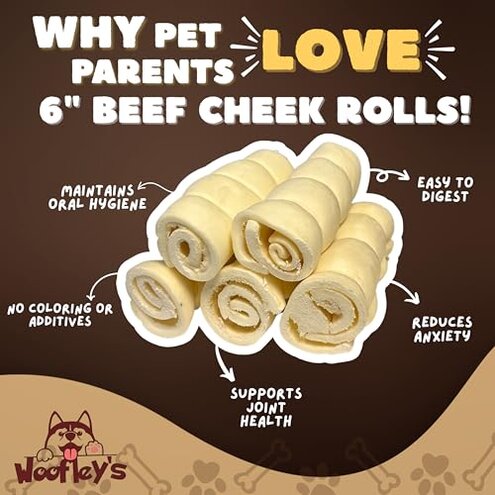
- Light chewers can do fine if the goal is occasional chewing, not maximum chew duration.
- Hands-on owners may accept it if they already inspect and sort every chew before giving it.
- Budget-first shoppers could still like it if they tolerate variation and mainly want a large backup stock.
- Single-dog homes may find the inconsistency easier to manage because there is no need to divide by dog size.
Expectation vs reality

Expectation: A bulk pack should make chew time planning easy.
Reality: Piece variation can make daily use less predictable and add sorting work.
Expectation: A reasonable standard for this category is some natural size variation.
Reality: here the variation can feel worse than expected because it affects a very large count purchase.
Expectation: “Long lasting” should mean fairly consistent sessions.
Reality: durability drift from piece to piece can leave strong chewers underwhelmed.
Safer alternatives

- Choose smaller trial packs first if you are testing longevity, which reduces the risk of being stuck with many inconsistent pieces.
- Look for tighter size ranges in the listing if consistency matters more than raw piece count.
- Prioritize single-size packs for power chewers, because that directly lowers the uneven chew-time problem.
- Buy by dog need, not by bulk alone, if your main goal is dependable mental engagement rather than lowest pack price.
The bottom line

Main regret trigger is buying a large count pack and then finding the rolls feel less consistent in size and longevity than expected. That exceeds normal category risk because bulk chews are supposed to make routine simpler, not add sorting and supervision. Verdict: avoid this if consistency is your top priority, especially for power chewers or multi-dog use.
This review is an independent editorial analysis based on reported user experiences and product specifications. NegReview.com does not sell products.