
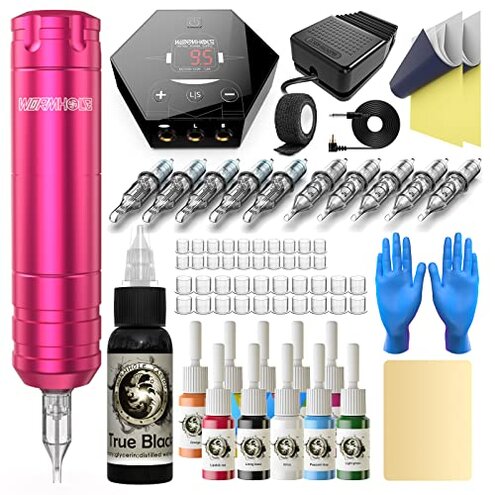
Product evaluated: Tattoo Kit, Wormhole Tattoo Machine Kit Tattoo Gun Kit Cartridge Needles Tattoo Practice Pen Kit for Beginners Rotary Tattoo Machine Pen Kit Tattoo Supplies WTK104
Related Videos For You
Beginner Tattoo Gun Kit 2025 🎨 | EFFEER Wireless Tattoo Pen Review & Demo
Ultimate Tattoo Guide for Beginners: Techniques, Needles & More - How To Tattoo
Data basis: This report summarizes dozens of buyer comments gathered from written feedback and short video-style demonstrations collected across the recent selling period. Most input came from written reviews, with supporting signals from setup-focused clips and photo-backed posts, which helps show both first-use problems and what starts to bother buyers after setup.
| Buyer outcome | Wormhole kit | Typical mid-range alternative |
|---|---|---|
| First-use setup | Higher friction; beginners often need the guide and extra trial and error before tattooing. | Usually easier; setup tends to be more forgiving for first-time users. |
| Learning curve | Steeper; practice time and troubleshooting are a primary issue. | Moderate; still requires learning, but fewer early blockers are expected. |
| Included supplies | Basic starter level; enough to begin, but commonly not enough for confident long sessions. | More usable; starter items are often less limiting. |
| Consistency | Less predictable; results can vary more during setup and early use. | More stable; fewer interruptions are normal in this price tier. |
| Regret trigger | Buying it to skip learning; that expectation clashes with the hidden setup effort. | Buying for practice; expectations are usually closer to reality. |
Why does it feel harder to use than the price suggests?
Primary issue: The regret usually starts at first setup, not after weeks of use. This appears repeatedly because buyers expect a ready-to-go beginner kit, then hit extra steps before they can even practice smoothly.
Trade-off: A low-cost kit normally asks for some patience, but this one seems less forgiving than a typical mid-range beginner alternative. That makes small setup mistakes more disruptive than expected for this category.
- Pattern: Setup friction is a recurring complaint, especially among first-time users.
- When: It shows up right after unboxing, when buyers connect parts and try to get stable operation.
- Worsens when: It gets harder during solo setup without prior machine experience.
- Impact: Buyers lose practice time and can feel unsure whether the issue is technique or the kit.
- Hidden requirement: You may need extra self-teaching, even though the listing frames it as beginner friendly.
Illustrative excerpt: “I thought I could start tonight, but setup took way longer.” Primary pattern
Does the included starter bundle save money, or create extra replacement shopping?
- Frequency tier: This is a secondary issue, but it becomes more frustrating once buyers move past basic practice.
- Usage moment: It usually appears after setup, when the included accessories stop feeling sufficient.
- Cause: Starter bundles can look complete, yet starter-grade supplies often limit confidence and session length.
- Buyer impact: The “complete kit” feeling fades when you need to source better add-ons sooner than expected.
- Category contrast: Budget kits often cut corners, but this can mean more follow-up buying than shoppers expect at this level.
- Fixability: The problem is partly fixable, but only by spending more and learning what to replace first.
Illustrative excerpt: “The kit got me started, but I outgrew the included parts fast.” Secondary pattern
Why do early practice results feel inconsistent?
Primary issue: Inconsistent early results are among the most disruptive complaints because buyers cannot tell if they are learning slowly or fighting the kit. This pattern is not universal, but it shows up often enough to matter during first practice sessions.
Context: The problem tends to feel worse during longer practice attempts, when stable hand speed and machine response matter more. A reasonable category baseline is some learning curve, but this seems less forgiving than typical beginner-focused alternatives.
- Early sign: Practice lines can feel uneven sooner than expected for a “beginner” bundle.
- Scope: The complaint appears across multiple feedback types, not just one kind of buyer.
- Why it stings: In this category, beginners already doubt their technique, so tool inconsistency adds extra confusion.
- Real cost: It adds practice waste, more restarting, and slower confidence building.
- Attempted workaround: Buyers often try adjusting settings and rechecking assembly before seeing acceptable results.
- Fixability: It can improve with experience, but that defeats the easy-start promise for some shoppers.
- Regret point: The kit feels cheapest when it turns practice into troubleshooting.
Illustrative excerpt: “I couldn’t tell whether I was bad or the kit was fighting me.” Primary pattern
Is this actually a beginner kit, or a project kit for patient learners?
- Pattern: A persistent mismatch appears between “beginner friendly” expectations and real effort required.
- When: It becomes clear during the first few uses, once buyers realize guidance does not remove the learning curve.
- Worsens when: It is more frustrating for buyers who want quick progress instead of extended practice and adjustment.
- Category baseline: All tattoo kits require care, but this one seems more demanding than many shoppers expect from a starter bundle.
- Impact: Confidence drops fast if the buyer expected a smoother path from unboxing to usable results.
- Best reading: Think of it as a budget practice platform, not a stress-free beginner shortcut.
- Fixability: Patience helps, but patience is exactly the hidden cost many buyers did not plan for.
- Edge case: Experienced users may adapt faster, which is why this mismatch is not universal.
Illustrative excerpt: “It works more like a starter project than a simple beginner kit.” Primary pattern
Illustrative excerpt: “I spent more time learning the kit than practicing technique.” Secondary pattern
Who should avoid this
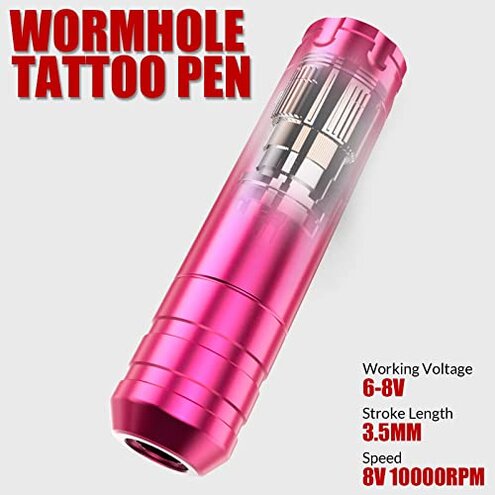
- Avoid it if you want a kit that feels simple on day one, because setup friction is the biggest regret trigger.
- Avoid it if you dislike buying upgrades soon after purchase, since the starter bundle limits can show up quickly.
- Avoid it if you need predictable practice results fast, because early inconsistency can slow learning more than normal.
- Avoid it if you have no patience for self-teaching, since the hidden requirement is extra troubleshooting and setup learning.
Who this is actually good for
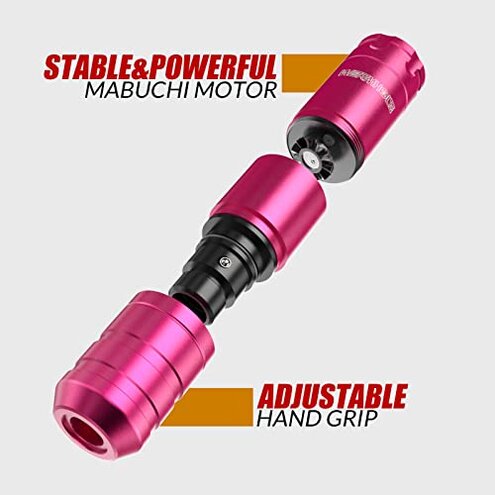
- Better fit for a patient beginner who accepts extra setup time in exchange for a lower entry price.
- Better fit for a hobby buyer who plans to practice slowly and does not need smooth first-night results.
- Better fit for someone comfortable replacing starter accessories later, because the bundle limits will bother them less.
- Better fit for a user who treats it as a learning platform, not a polished all-in-one solution.
Expectation vs reality
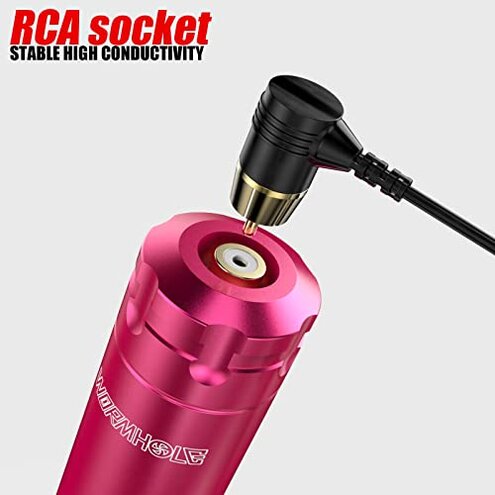
- Expectation: A complete beginner kit should get you practicing quickly. Reality: This one often asks for more setup learning before practice feels smooth.
- Expectation: “Complete kit” means fewer follow-up purchases. Reality: Included supplies may start feeling basic once you move past very early practice.
- Expectation: Some learning curve is reasonable for this category. Reality: The effort here can feel worse than expected because inconsistency makes learning harder to separate from equipment issues.
Safer alternatives
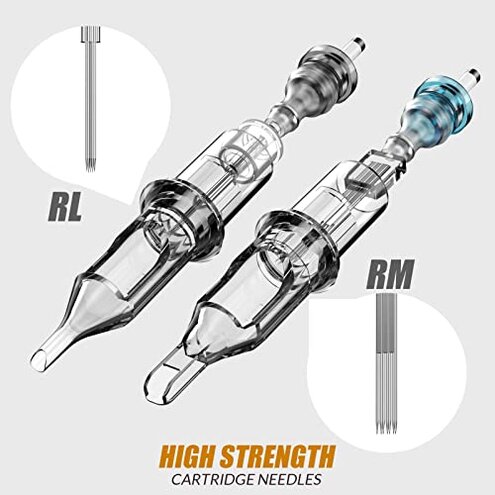
- Choose a beginner tattoo kit known for clearer setup instructions if day-one usability matters most.
- Look for bundles with better-regarded starter accessories if you want to avoid quick replacement shopping.
- Favor kits described as for training practice rather than broad all-in-one claims if you want more realistic expectations.
- Prioritize options with consistently praised stability during practice if you are trying to build technique without extra troubleshooting.
The bottom line
Main regret: Buyers most often get frustrated when a low-cost “beginner” promise turns into extra setup work and uncertain early results.
Why avoid: That exceeds normal category risk because the kit can demand more patience, more troubleshooting, and sometimes more add-on buying than a typical mid-range alternative. Verdict: Avoid it if you want an easy first tattoo kit, and consider it only if you knowingly accept a budget practice-first experience.
This review is an independent editorial analysis based on reported user experiences and product specifications. NegReview.com does not sell products.