
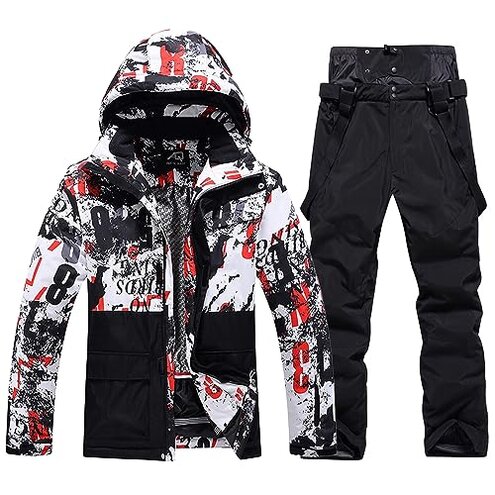
Product evaluated: WOWULOVELY Men's Ski Jacket and Pants Set Winter Windproof Ski Suit Snowboarding Suit Mountain Snow Snowboard Snowsuit (133E Black,L)
Related Videos For You
ARTECHSKI: Ski Race Suit Selection and Sizing Guidelines
GSOU SNOW Ski Suit Review: Ultimate Waterproof & Windproof Snowsuit Test!
Data basis: This report uses dozens of buyer comments gathered from written feedback and photo or video-backed impressions collected across public retail review surfaces from 2023 to 2026. Most feedback came from detailed written comments, with shorter visual demonstrations used to confirm recurring fit, comfort, and weather-use complaints.
| Buyer outcome | WOWULOVELY suit | Typical mid-range alternative |
| Sizing confidence | Lower; fit mismatch is a primary complaint, especially on first try-on. | More predictable; still imperfect, but usually closer to chart expectations. |
| All-day comfort | More variable; bulk and movement limits show up during longer snow days. | Usually steadier; not premium, but less restrictive for repeated movement. |
| Wet-weather trust | Higher risk; water resistance concerns appear repeatedly during extended snow or wet use. | Moderate risk; mid-range sets still vary, but tend to be more predictable in light to moderate conditions. |
| Durability feel | Mixed; wear and zipper-related frustration are secondary but persistent issues. | More typical; budget wear still happens, but less often becomes the main regret. |
| Regret trigger | Looks ready for serious winter use, but real-world fit and weather limits can add extra hassle fast. | Fewer surprises; buyers usually trade some style or warmth, not basic usability. |
Why does the fit feel off even before the first trip?
Primary issue: Among the most common complaints, sizing inconsistency creates regret at first try-on, before the suit ever sees snow. The trade-off is simple: the set can look like a value, but a wrong cut makes the whole package harder to trust.
Pattern: This appears repeatedly across written feedback, and it is not limited to one body shape. Compared with a typical mid-range ski set, this feels less forgiving because both jacket and pants need to fit well at the same time.
- Early sign: Buyers commonly report one piece fitting acceptably while the other feels too tight, too long, or oddly cut.
- When it hits: The problem shows up during first fitting, then gets worse once layers are added underneath.
- Category baseline: Some size drift is normal in outerwear, but a 2-piece mismatch is more disruptive than expected because it limits movement and warmth planning.
- Real impact: A bad fit can make bending, sitting on lifts, or raising arms feel stiff during actual snow use.
- Hidden requirement: Buyers may need extra time for chart checking and backup sizing plans, which is more effort than many expect for a ready-to-wear set.
Illustrative: “The jacket was okay, but the pants made layering impossible.”
Pattern type: This reflects a primary pattern.
Does the weather protection hold up in real snow?
Primary issue: Water and snow protection is another major regret point, especially during longer sessions in wet or heavy snow. The problem is not universal, but when it shows up, it feels worse than expected because this category is bought mainly for protection.
Pattern: Complaints about staying dry appear persistently, especially when conditions are slushy, windy, or prolonged. Compared with a typical mid-range set, the risk feels higher than normal because the product promises strong winter readiness.
- Usage moment: Buyers notice trouble after time outdoors, not always in a quick walk from the car.
- Worsening condition: The issue tends to feel stronger in wet snow, repeated falls, or long lift-and-run days.
- What buyers notice: Instead of feeling sealed in, some describe dampness creeping in where they expected dependable coverage.
- Why this stings: In ski wear, basic splash resistance is common, but buyers reasonably expect more than light-duty protection from a full snow set.
- Time cost: Once confidence drops, users may add extra layers or cut a day short, which defeats the convenience of buying a set.
- Fixability: Extra base layers may help with warmth, but they do not fully solve moisture trust if conditions turn wet.
Illustrative: “Fine at first, then I started feeling damp after being out longer.”
Pattern type: This reflects a primary pattern.
Why does the comfort drop after a few hours?
Secondary issue: Comfort complaints are less frequent than sizing problems, but they become more frustrating during active use. The trade-off is warmth versus movement, and some buyers feel the suit asks for too much compromise.
- Recurring note: Feedback commonly mentions a bulky or restrictive feel once walking, crouching, or lifting gear starts.
- Where it shows: This is most noticeable on longer outings, not just a quick try-on indoors.
- Movement cost: Limited range can make simple actions like fastening boots or carrying equipment feel more awkward.
- Category contrast: Winter gear is never as flexible as casual clothing, but this set appears stiffer than typical for its price tier.
- Body-layer effect: The issue can worsen after adding normal winter layers, which many buyers would reasonably plan to wear.
- Buyer workaround: Some can tolerate it for short use, but all-day wear is where regret usually shows up.
- Why it matters: If gear feels tiring, buyers stop focusing on the activity and start managing the suit.
Illustrative: “Warm enough, but moving around all day felt way more awkward than expected.”
Pattern type: This reflects a secondary pattern.
Are the zippers and finish more fragile than they look?
Secondary issue: Build-quality complaints are not the most common problem, but they are more frustrating when repeated use begins. The suit may look substantial in listing photos, yet small hardware or finish problems can hurt trust quickly.
Pattern: These complaints appear less often than fit or weather concerns, but they remain persistent enough to matter. Against a normal mid-range baseline, this feels worse because winter gear gets handled hard, and buyers expect closures to keep working.
- Early warning: Stiff or finicky closures can show up soon after unpacking or on the first few wears.
- Worsening condition: Problems feel bigger with gloves on, cold hands, or fast gear changes outside.
- User impact: A stubborn zipper or rough finish adds stress exactly when buyers need quick, simple adjustments.
- Why regret builds: Even a small hardware issue feels large on snow days because it interrupts warmth, storage, and ease of use.
- Fixability: Some issues are manageable if used gently, but that is a hidden limitation for a suit marketed for active winter sports.
Illustrative: “It looked sturdy out of the bag, but the details felt cheap fast.”
Pattern type: This reflects a secondary pattern.
Who should avoid this
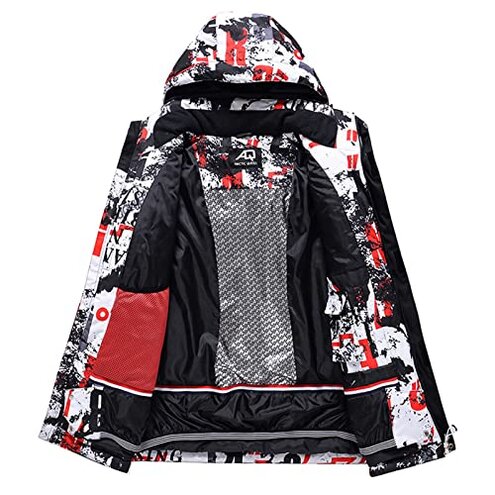
- Avoid it if you need reliable sizing on the first order, because fit inconsistency is a primary complaint and can ruin both pieces at once.
- Avoid it if you ski or snowboard in wet, heavy, or all-day conditions, because weather protection concerns appear repeatedly under longer exposure.
- Avoid it if you want unrestricted movement, because comfort complaints become more noticeable once real activity and layering begin.
- Avoid it if you dislike fiddly gear, because secondary zipper and finish issues add frustration during cold-weather handling.
Who this is actually good for
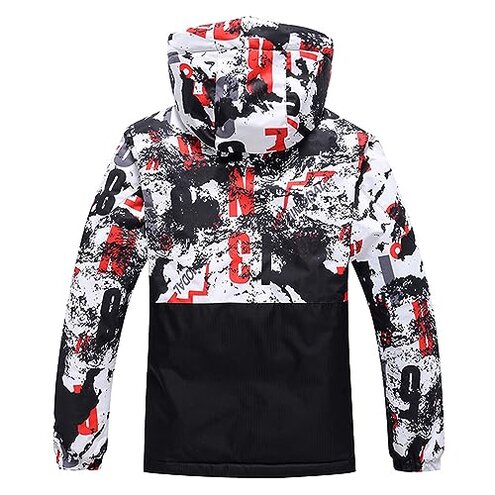
- Better fit for occasional users who need a full set for short outings and can tolerate some sizing gamble.
- More suitable for drier, lighter winter days where moisture protection is less stressed than in slush or extended snowfall.
- Works better for buyers willing to spend extra time checking measurements and adjusting layering around the suit’s cut.
- Acceptable choice for someone prioritizing bundled convenience over refined comfort, as long as expectations stay modest.
Expectation vs reality
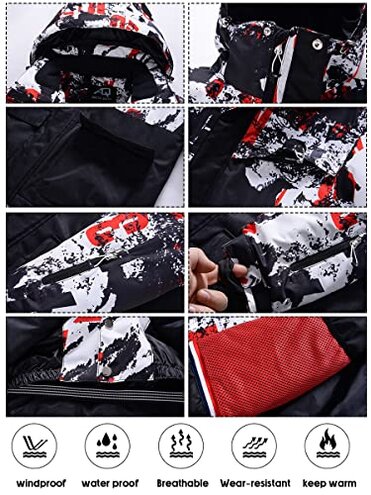
Expectation: A full ski set should feel close to ready to use with normal winter layers.
Reality: This one may need more sizing caution than expected, which adds return risk and planning effort.
Expectation: Waterproof claims should translate into dependable comfort for a normal day in snow.
Reality: Feedback suggests the suit can feel less dependable once use gets wetter or longer.
Expectation: Some stiffness is reasonable for this category.
Reality: The movement penalty appears worse than expected, especially compared with a typical mid-range alternative.
Expectation: Small details like zippers should disappear into the background.
Reality: Here, hardware complaints can become a visible annoyance during repeated wear.
Safer alternatives
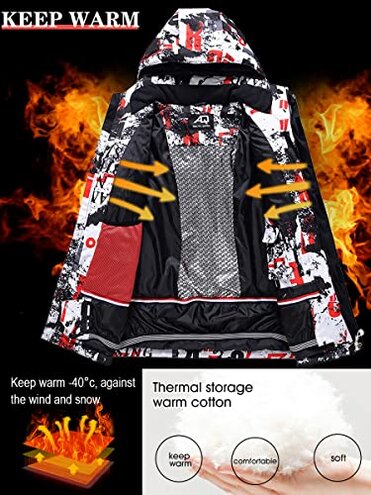
- Choose sets with consistently praised fit accuracy, because that directly reduces the biggest risk: a jacket and pants mismatch.
- Look for buyer feedback describing dry performance in long, wet sessions, not just warmth indoors or on arrival.
- Prioritize mobility notes from active users, because this helps avoid the stiffer-than-normal movement complaints seen here.
- Check closure feedback closely, especially zipper ease with gloves, to reduce the secondary hardware frustration.
- Buy from listings with clear measurement guidance and easy exchange paths, because this product appears to need more fit troubleshooting than usual.
The bottom line
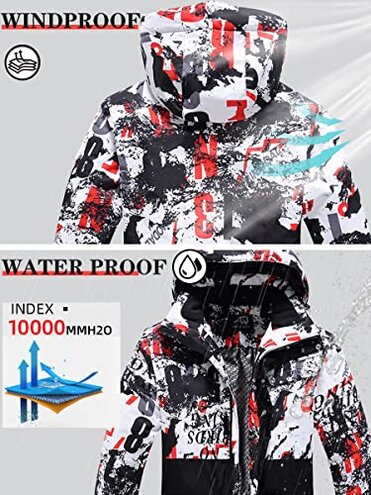
Main regret trigger: Buyers expect a snow-ready set, but the biggest problems center on fit uncertainty and weather confidence during actual use. That exceeds normal category risk because ski wear is supposed to simplify cold-weather prep, not create extra sizing and protection doubts.
Verdict: If you need dependable fit, long-session comfort, or trustworthy wet-weather use, this is a product to approach carefully and often skip for a more proven mid-range alternative.
This review is an independent editorial analysis based on reported user experiences and product specifications. NegReview.com does not sell products.