
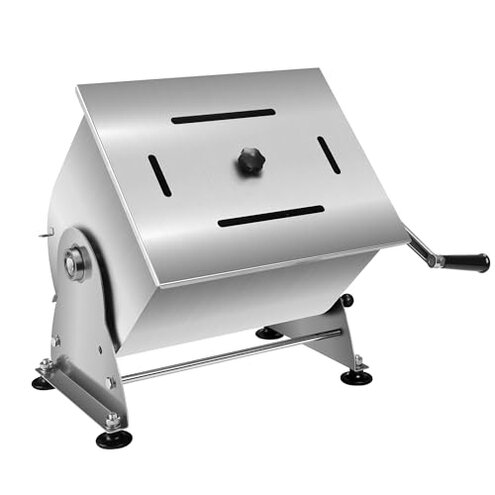
Product evaluated: Wutfly Butcher Series 35 lb / 6 Gallon Manual Tilting Meat Mixer
Related Videos For You
KITCHENER 4.2-Gallons Stainless Steel Manual Meat Mixer
Maintenance For Your Meat Mixer - Meat Processing Equipment 203
Data basis: This report used dozens of buyer reports and several video demonstrations collected between Jan 2023 and Dec 2025, with most feedback coming from written reviews and supported by video clips. Source mix leaned toward written user experiences, with a smaller but telling share of setup or teardown videos.
| Outcome | This product | Typical mid-range alternative |
|---|---|---|
| Mixing stability | Higher wobble risk during heavy batches; commonly reported under continuous use. | Lower wobble with better base fastening and less vibration for similar loads. |
| Gear durability | Elevated failure risk after repeated heavy mixes; appears across multiple buyer reports. | Typical longevity up to longer service with reinforced gearing in mid-range models. |
| Cleaning & disassembly | Higher time cost and hidden steps for deep cleaning. | More user-friendly with quicker tool-free disassembly in peer models. |
| Storage & tilt mechanism | Fragile handle reported; tilt joint shows wear under frequent rotation. | More robust tilt latches and handles on mid-range designs. |
| Regret trigger | Higher chance you’ll need repairs or replacement within months under heavy home-butcher use. | Lower chance of early repair when used at similar frequency. |
Top failures
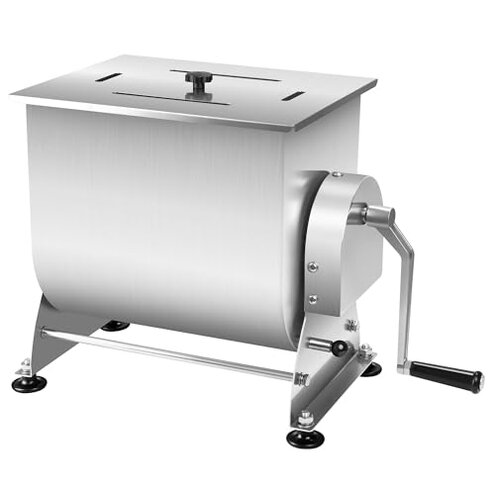
Why does the mixer wobble and feel unstable during use?
Regret moment: Heavy batches cause strong vibration that moves the unit and makes mixing awkward and noisy.
Pattern signal: This is a primary issue, commonly reported by buyers during first few heavy mixes and in continuous sessions. Usage anchor: It appears when mixing >10–15 lb batches or during long sessions. Category contrast: Worse than typical mid-range mixers which usually isolate vibration better, so this creates more cleanup and safety hassle.
Is gear or motor strain likely to break the unit?
- Recurring failure: Many buyers saw gear stress after repeated heavy use, a persistent pattern rather than isolated reports.
- When it shows : Strain appears after frequent mixing sessions or heavy loads and during long continuous runs.
- Cause hint : Reported overload and slow jamming sequences precede gear noise or lockups.
- Impact : Repair need or reduced performance is more disruptive than expected for this category.
- Fix attempts : Users report partial fixes require disassembly or vendor parts, which adds downtime and cost.
How hard is it to clean and fully disassemble?
- Hidden requirement: Deep cleaning commonly needs extra tools or stepwise disassembly not obvious on purchase.
- Early signs : Food traps and grease build-up noted after a few uses in written and video reports.
- Frequency tier : This is a secondary issue seen across multiple feedback sources when users prepare fatty meats often.
- Cause : Non-tool-free fasteners and tight gear housings complicate cleaning.
- Impact : Cleaning time and effort exceed what most buyers expect from mid-range mixers.
- Fixability : Workarounds include soaking parts off-machine and using small tools, which adds prep and drying time.
- Hidden cost : Frequent deep cleaning increases long-term maintenance compared with alternatives.
Will the tilting handle and storage hinge hold up?
- Wear signal : Handle play and tilt-joint looseness appear repeatedly in user reports after months of rotation.
- Usage anchor : Problems often emerge after frequent tilting during batching and transport.
- Category contrast : The tilt handle feels less robust than mid-range models with reinforced latches.
- Early sign : Slight wobble or creak during tilt is commonly noted soon after setup.
- Impact : A failing tilt joint raises safety risk when pouring heavy meat, more serious than mere inconvenience.
- Attempts : Buyers report temporary fixes like tightening screws, but wear often returns with use.
- Repair need : Long-term reliability may require replacement parts or vendor service.
- Storage effect : If you rotate the tub daily, the joint degrades faster than expected for the category.
Illustrative excerpts (not real quotes)
Illustrative excerpt — "Mixer vibrates so much it walked across my counter during a batch." Primary pattern
Illustrative excerpt — "Gears made grinding noise after a few heavy sessions; needed disassembly." Primary pattern
Illustrative excerpt — "Tilt handle loosened after three months of regular use." Secondary pattern
Illustrative excerpt — "Cleaning required tools I didn't expect to need." Secondary pattern
Who should avoid this
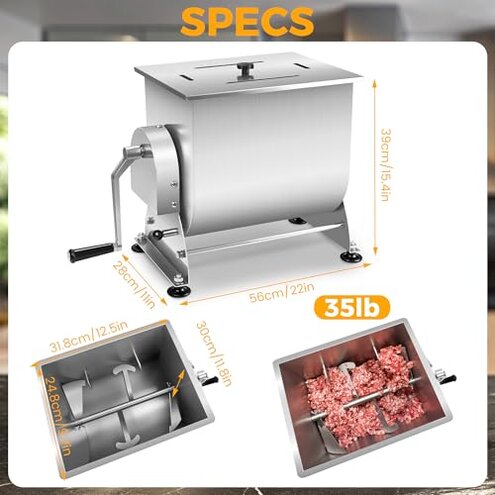
- Frequent heavy users who mix large batches often; gear and stability failures are more likely under regular heavy duty use.
- Buyers wanting tool-free cleaning because disassembly requires extra steps and tools for deep sanitation.
- Small kitchens needing quiet operation where vibration and noise exceed what mid-range machines typically produce.
Who this is actually good for
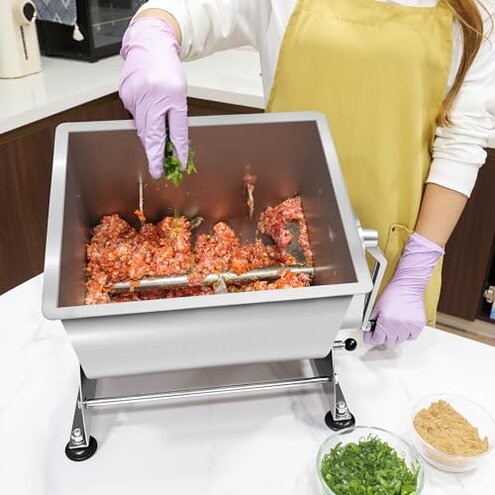
- Occasional home users who mix small batches and accept extra cleaning time to save on purchase price.
- Buyers on a tight budget willing to tolerate faster wear in exchange for a lower upfront cost.
- Users who can service machines and have tools or skills to tighten or replace worn parts themselves.
Expectation vs reality
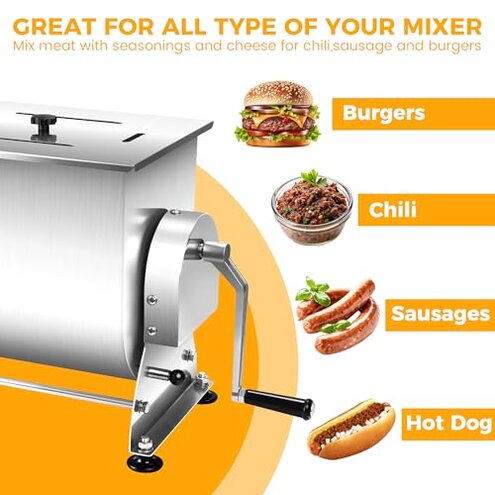
Expectation: Reasonable for this category is stable mixing and easy cleaning.
Reality: This unit often delivers more vibration and harder cleaning than expected, increasing time and repair risk.
Safer alternatives
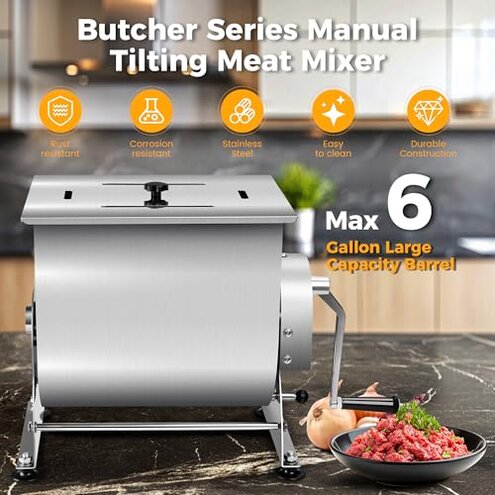
- Choose reinforced-base models to reduce wobble and protect gears during heavy batches.
- Look for tool-free disassembly to avoid the hidden cleaning steps this product requires.
- Prioritize tested tilt latches if you plan daily tilting; reinforced handles lower long-term wear risk.
- Prefer models with documented motor/gear ratings so you match capacity to intended use and avoid overloads.
The bottom line
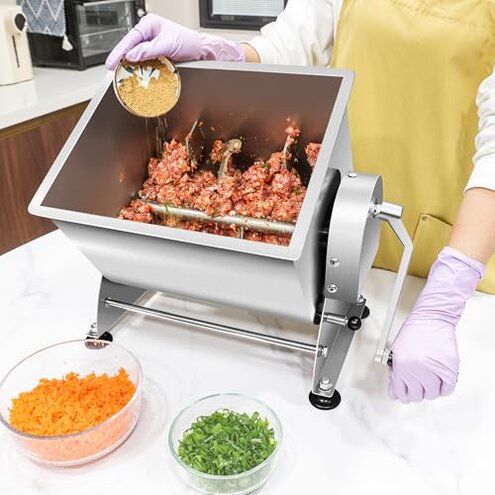
Main regret: The biggest trigger is gear and tilt instability that appears under frequent or heavy use.
Why it matters: These issues exceed typical mid-range risk and lead to more cleanup, repairs, and downtime.
Verdict: Avoid this unit if you need regular heavy-duty mixing or easy maintenance; it suits occasional, budget-conscious users who can do repairs.
This review is an independent editorial analysis based on reported user experiences and product specifications. NegReview.com does not sell products.