
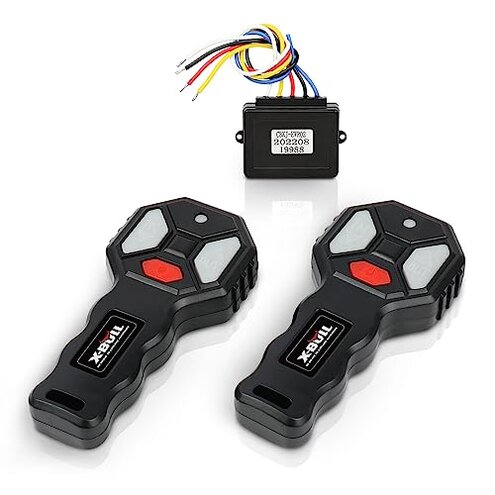
Product evaluated: X-BULL New Wireless Winch 2 Remote Control Kit Handset Switch Car ATV SUV 12V
Related Videos For You
how to wire wireless winch remote
Wireless Remote Control Winch 220v Household Small Lifting Hoist 380v KCD Electric Hoist
Data basis: This report combines dozens of buyer feedback points collected from written comments and video-style demonstrations between 2023 and 2026. Most feedback came from short written use reports, with added context from setup-focused clips and follow-up owner updates.
| Buyer outcome | X-BULL kit | Typical mid-range alternative |
| Setup ease | Higher risk of extra pairing and wiring confusion during first install. | Usually simpler first-time setup with clearer plug-and-use behavior. |
| Signal reliability | Less consistent range and response when metal or mounting position interferes. | More forgiving signal behavior in normal vehicle mounting spots. |
| Daily confidence | More fragile feeling because missed input or delayed response matters during recovery work. | Typically steadier for occasional winch use. |
| Hidden requirements | Needs more care in receiver placement and power selection than many shoppers expect. | Usually needs less trial-and-error to reach acceptable use. |
| Regret trigger | Buyers regret it when they expect quick wireless convenience and get extra setup troubleshooting. | Lower regret if convenience is the main reason for upgrading. |
Why does the wireless control feel unreliable right when you need it?
This is the primary issue. The main regret moment shows up during actual pulling or testing, when buyers expect instant response and get inconsistent wireless behavior instead.
The pattern appears repeatedly. It is more disruptive than expected for this category because a winch remote is not just a convenience item during use.
- Frequency tier: This is a primary complaint and shows up across multiple feedback sources.
- Usage moment: It tends to appear after setup, when buyers first test IN and OUT under real working conditions.
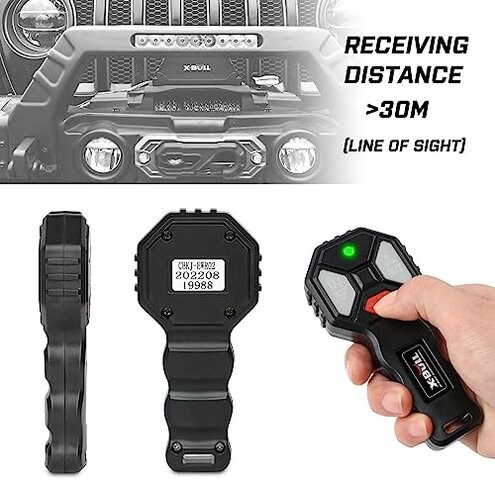
- Worse conditions: The issue gets worse near metal or when receiver placement is not ideal, which the product notes indirectly warn about.
- User impact: Missed or delayed response feels more stressful than normal because the buyer is watching cable movement and load at the same time.
- Category contrast: Wireless remotes in this class already have some range limits, but this one seems less forgiving about mounting location than many mid-range alternatives.
- Early sign: Buyers often notice short range or the need to stand in a very specific spot.
- Fixability: Repositioning can help somewhat, but that adds trial-and-error many shoppers did not plan for.
Why does installation turn into more guesswork than expected?
This is a secondary issue. The frustration usually starts on first install, not after months of ownership.
The pattern is persistent. Buyers expecting a quick upgrade often find that the wireless convenience only comes after extra setup steps.
A hidden requirement is careful receiver placement away from interference and choosing the right 12V power setup. That is a bigger ask than many casual ATV or SUV owners expect.
Compared with category norms, some setup effort is normal, but this kit appears more sensitive to placement details than a typical mid-range option.
- First-use friction: Problems usually appear during initial wiring and testing, before the remote feels trustworthy.
- Pattern signal: This is a recurring complaint, though less frequent than signal inconsistency itself.
- Buyer expectation: Shoppers often assume wireless kit means simple convenience from day one.
- Real cause: The product instructions themselves point to specific setup discipline, including power choice and careful button handling.
- Time cost: It can add extra troubleshooting time if the first mounting location performs poorly.
Why does it feel less confidence-inspiring during real recovery work?
- Severity: This is a secondary complaint, but more frustrating when it happens because winch use is a high-attention task.
- When it hits: The concern shows up during active use, especially when buyers want smooth start-stop control.
- Pattern: Feedback suggests it is not universal, yet the concern appears repeatedly enough to matter.
- What buyers notice: The control can feel less predictable than expected, even if it technically works.
- Why that matters: A remote that needs extra attention removes some of the hands-free convenience buyers paid for.
- Category contrast: In this category, basic reliability matters more than extra features, and this kit seems more confidence-sensitive than most mid-range alternatives.
- Mitigation: Some buyers reduce risk by keeping a wired backup plan or treating the wireless remote as occasional-use only.
Why do small operating details become easy to get wrong?
- Edge-case issue: This is less common than connection complaints, but it still shows up as avoidable user frustration.
- Context: It tends to happen during setup or rope handling, when buyers are moving quickly and expecting intuitive use.
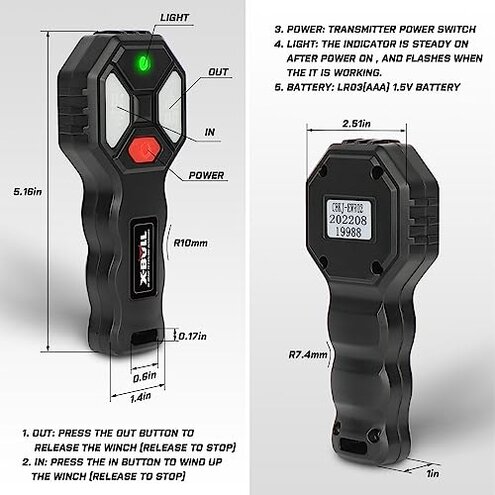
- Hidden requirement: The instructions emphasize reliably pressing and releasing buttons and turning the remote off during certain setup tasks.
- Buyer impact: That creates extra attention demands for a product many people buy to simplify operation.
- Category contrast: Some care is normal with winch accessories, but this feels more fussy than expected for a simple handset kit.
- Fixability: The issue is often manageable with habits, though those habits reduce the convenience appeal.
Illustrative excerpt: “It works, but only when I stand in the right spot.” Primary pattern tied to signal sensitivity during normal use.
Illustrative excerpt: “Wireless was supposed to save time, not add testing.” Secondary pattern tied to setup friction and mounting trial-and-error.
Illustrative excerpt: “I don’t fully trust it when the cable is moving.” Secondary pattern tied to confidence loss during active operation.
Illustrative excerpt: “The instructions matter more than I expected.” Edge-case pattern tied to hidden operating requirements.
Who should avoid this
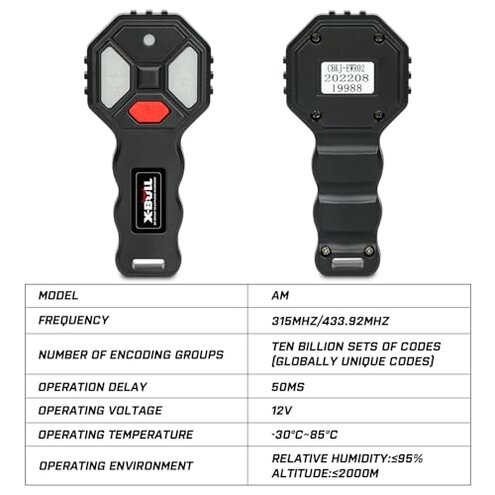
- Avoid it if you want a wireless upgrade mainly for plug-in convenience and do not want to troubleshoot placement.
- Avoid it if you need high confidence during recovery work and do not want signal behavior to depend on mounting conditions.
- Avoid it if your vehicle setup leaves the receiver near metal-heavy interference, because that risk appears higher than normal here.
- Avoid it if you rarely use a winch and want something that works predictably after long gaps without relearning details.
Who this is actually good for
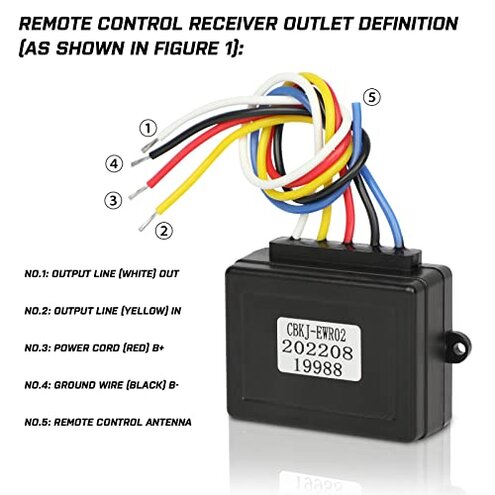
- Good fit for buyers who do not mind testing receiver placement and are comfortable fine-tuning setup for acceptable performance.
- Good fit for owners who treat wireless control as a backup convenience, not their only trusted control method.
- Good fit for tinkerers who accept extra setup effort in exchange for a lower-cost wireless option.
- Good fit if you understand the hidden requirements around power choice, careful mounting, and operating habits.
Expectation vs reality
Expectation: A wireless winch remote should save time right after install.
Reality: This one may need more positioning and testing before it feels dependable.
Expectation: Some signal limits are reasonable for this category.
Reality: The reported sensitivity to interference feels worse than expected compared with a typical mid-range alternative.
Expectation: Button use should feel simple during stressful moments.
Reality: The operating notes suggest more careful handling than many buyers expect from a basic handset.
Safer alternatives
- Look for a winch remote kit with clearer install guidance and more buyer-confirmed tolerance for different mounting spots.
- Choose a setup that includes or keeps a wired fallback if you care more about confidence than convenience.
- Prioritize models known for stable range around vehicle-mounted metal, not just advertised wireless function.
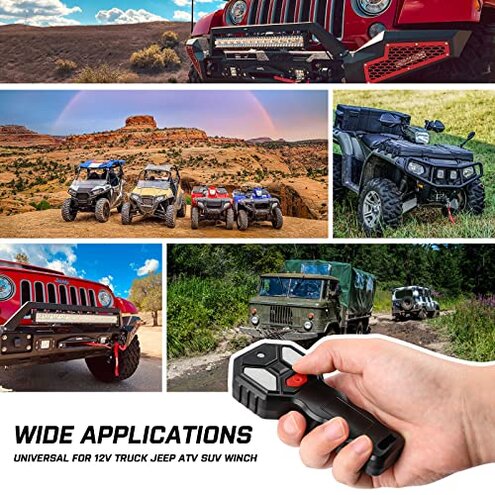
- Check for easier first-use setup if you do not want a trial-and-error install on an ATV, SUV, or trailer setup.
The bottom line
Main regret comes from expecting easy wireless convenience and getting a kit that can be more placement-sensitive than normal. That exceeds normal category risk because inconsistent response matters more on a winch than on casual accessories. Verdict: avoid it if you want dependable, low-fuss wireless control the first time.
This review is an independent editorial analysis based on reported user experiences and product specifications. NegReview.com does not sell products.