
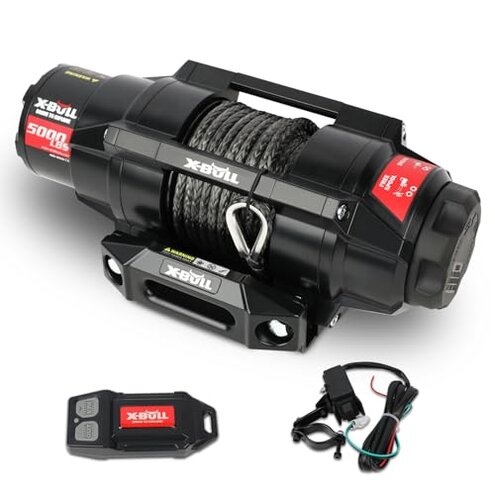
Product evaluated: X-BULL 5000lbs Electric Winch - 12V DC Power Waterproof Synthetic Rope Winch with Hawse Fairlead, Wireless & Wired Remote with Mounting Plate for ATV/UTV,Boat Trailer Winch
Related Videos For You
Pt.1 How To Install A Winch On Your ATV/UTV At D-Ray's Shop
ATV/UTV Winch Troubleshooting
Data basis for this report comes from dozens of aggregated buyer reviews collected over a recent 12-month window. Feedback was drawn from a mix of star ratings, written comments, and Q&A-style buyer notes. Most input came from written reviews, supported by shorter “worked/didn’t work” updates, which helps separate first-use impressions from problems that show up after setup.
| Buyer outcome | X-BULL 5000lb winch | Typical mid-range winch |
|---|---|---|
| First-use reliability | Riskier reports of issues appearing right after install | More consistent “works out of the box” experiences |
| Remote control experience | Higher friction complaints about control/response during operation | More predictable control behavior for most buyers |
| Install time | More troubleshooting due to fitment/wiring confusion patterns | More straightforward install with fewer extra steps |
| Durability under load | Higher-than-normal risk of performance drop when actually pulling | Typical risk mainly tied to overload or poor wiring |
| Regret trigger | Worst timing: fails during recovery, not during testing | Less often fails at the moment you need it |
Top failures
Why does it feel fine in the garage, then fail during a pull?
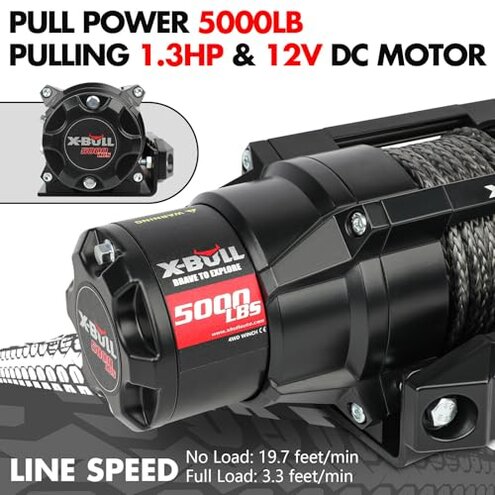
Regret hits when the winch powers on and spools, but struggles or stops when you finally need a real recovery. This is described as more disruptive than typical for this category because a winch’s “job” is the high-load moment.
Pattern note: this appears repeatedly across feedback, though it is not universal. It shows up during first real use or after a few practice pulls, and worsens with longer pulls or higher resistance.
Category contrast: mid-range winches often need careful wiring, but buyers flagged performance drop here as happening even after basic setup checks. That makes it feel less forgiving than most mid-range alternatives.
- Early sign: it may spool unloaded, then bog down once tension increases.
- Primary issue: power delivery under load is a common complaint pattern for regret.
- Usage moment: failures are described during a stuck-vehicle pull, not during light testing.
- Worsens when: longer continuous pulling sessions add heat and expose weak links.
- Mitigation: buyers often reduce load, shorten pulls, or pause to cool, which adds time.
- Fixability: some issues appear tied to install details, but others read like unit variance.
- Hidden cost: you may need extra electrical checks or upgraded cables beyond “bolt-on” expectations.
Is the wireless remote reliable when you’re outside the vehicle?
- Recurring pattern: control complaints appear repeatedly, especially during real recovery stress.
- When it shows: problems are most noticeable after setup, when you step away to spot the line.
- Worsens with: distance, awkward angles, or being near other electronics can make response feel inconsistent.
- Category baseline: occasional wireless quirks are normal, but this is described as more frustrating than typical because it interrupts line control.
- User impact: delayed or uncertain response increases anxiety when hands and clothing are near moving rope.
- Workaround: buyers often switch to the wired pendant, which reduces convenience.
- Hidden requirement: you may need to plan your mounting and routing so the wired control is always reachable.
- Regret moment: the remote acts up exactly when you’re guiding the pull and watching alignment.
Why does installation take longer than expected for an ATV/UTV winch?
- Secondary issue: install friction is reported often enough to be a buying risk, but less than control/power complaints.
- When it shows: it starts during mounting and wiring, before the first power-on test.
- Worsens if: your ATV/UTV has tight space, non-standard mounting, or you need a cleaner cable route.
- Category contrast: some fitment fiddling is normal, but buyers describe extra troubleshooting beyond mid-range expectations.
- What you notice: more time measuring, re-positioning, and re-doing cable paths than the listing implies.
- Attempted fixes: buyers commonly re-check wiring order, re-seat connectors, and redo mounting alignment.
- Cost risk: needing add-on hardware or shop help can erase the value proposition quickly.
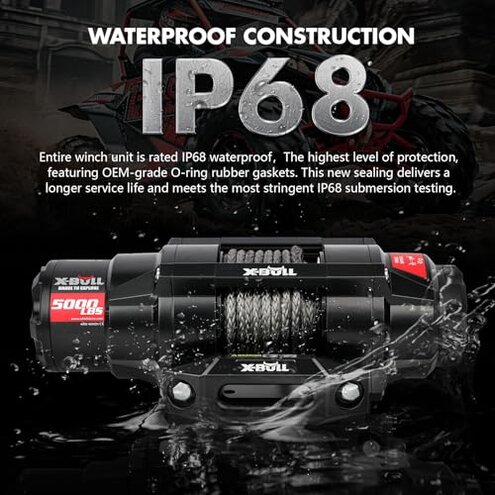
Does “waterproof” reduce worry, or create false confidence?
- Edge-case issue: water/dirt exposure concerns appear less frequently, but feel serious when they happen.
- When it shows: after muddy rides, rinsing, or wet storage, not necessarily on day one.
- Worsens with: frequent wet cycles and quick storage without drying, which is common for trail users.
- Category baseline: buyers expect some weather resistance, but regret increases when “waterproof” is treated as “no maintenance.”
- What you notice: intermittent operation or corroded-looking contact points after wet use is the feared scenario.
- Mitigation: drying time and periodic checks add upkeep compared with “set and forget” expectations.
Illustrative excerpts (not real quotes)
- Illustrative: “It ran fine unloaded, then quit halfway through the real pull.” Primary pattern reflecting load-related regret.
- Illustrative: “Wireless remote is flaky unless I’m standing in the perfect spot.” Primary pattern tied to control reliability.
- Illustrative: “Install took all afternoon because the wiring steps weren’t clear.” Secondary pattern about setup friction.
- Illustrative: “After a wet ride, it worked on and off until I dried everything.” Edge-case pattern linked to wet-use upkeep.
Who should avoid this
Recovery-first riders who need dependable pulling at the exact moment of being stuck should avoid it because under-load dropouts are a primary regret trigger.
Solo users who rely on a wireless remote while spotting the line should avoid it if you cannot tolerate control uncertainty during operation.
Low-fuss installers should skip if you want a true bolt-on experience, since extra troubleshooting during mounting and wiring is a recurring theme.
Wet-and-muddy trail riders who expect “waterproof” to mean no maintenance should avoid it due to edge-case wet-use reliability concerns.
Who this is actually good for
Budget-minded ATV/UTV owners who can accept some setup tinkering may find it workable if you test thoroughly before relying on it.
Occasional users who mostly do light pulls and short duty cycles can tolerate the load sensitivity risk better than frequent recoveries.
Hands-on DIYers comfortable with wiring checks and clean mounting can offset the install friction and reduce surprises.
Users who prefer wired control and are fine treating wireless as optional can live with the remote variability complaints.
Expectation vs reality
- Expectation: a mid-range winch should pull consistently once installed correctly. Reality: repeated feedback flags real-load failures that show up after the easy test.
- Expectation: wireless control should be convenient for spotting and safety. Reality: control is described as less predictable than many buyers expect.
| What you plan | What can happen |
|---|---|
| Quick install before the weekend ride | Extra steps routing cables, rechecking wiring, redoing mount alignment |
| Trust “waterproof” for muddy trails | Added upkeep drying, checking connections, avoiding wet storage |
Safer alternatives
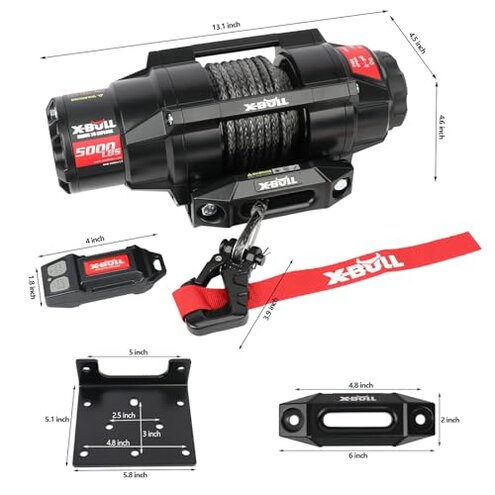
- Prioritize load testing: choose a winch line that shows consistent performance under real tension, not just unloaded spooling, to avoid under-load surprises.
- Prefer proven controls: look for setups where the wired pendant is the primary, dependable control to reduce wireless variability regret.
- Match your mount: pick a model commonly paired with your ATV/UTV mounting plate style to cut install troubleshooting.
- Plan for wet use: select products with clear maintenance guidance for wet environments so “waterproof” doesn’t become false confidence.
The bottom line
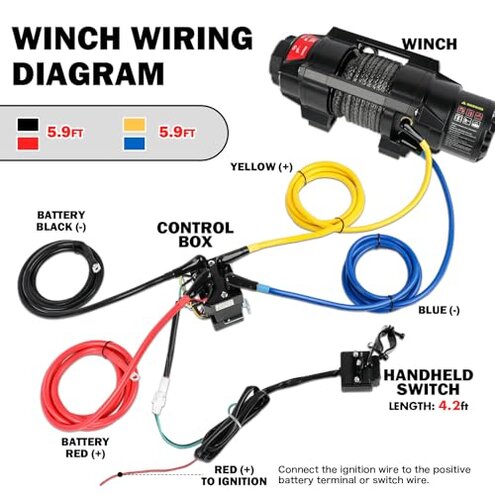
Main regret is when the winch looks fine during setup but shows unreliable behavior during an actual pull. That risk feels higher than normal for a mid-range winch because failure timing is the worst possible moment. If you need dependable recovery more than occasional convenience, avoid and shop for a model with a stronger track record under load.
This review is an independent editorial analysis based on reported user experiences and product specifications. NegReview.com does not sell products.