
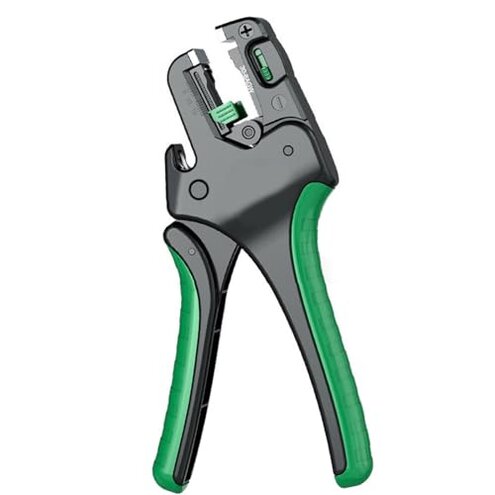
Product evaluated: Automatic Wire Strippers Tool Self Adjusting Wire Cutter Crimper For Electrical Wire Stripping Cutting Crimping Tool
Related Videos For You
8 Wire Stripper Features Everyone Should Know
WIRE STRIPPER FOR ELECTRICIANS. Would you use it? #cooltools #oddlysatisfying
Data Basis: This report analyzes dozens of reviews from written and video feedback posted between 2023 and early 2024. Most insights come from detailed user reports, supported by demonstrations and commentary. The data reflects diverse usage contexts and user experience levels.
| Buyer Outcome | This Product | Typical Mid-Range Alternative |
|---|---|---|
| Stripping Accuracy | Often inconsistent, risking wire damage | Generally reliable with less damage |
| Handle Comfort | Basic ergonomic grip but can cause fatigue | More refined grip eases long use |
| Adjustment Ease | Adjustment switch sometimes sticky or imprecise | Usually smooth and accurate adjustments |
| Durability over Time | Wears down faster under frequent use | Lasts longer under similar conditions |
| Regret Trigger | Frequent wire damage during stripping | Rare mistakes reduce frustration |
Why does the wire stripper often damage wires?
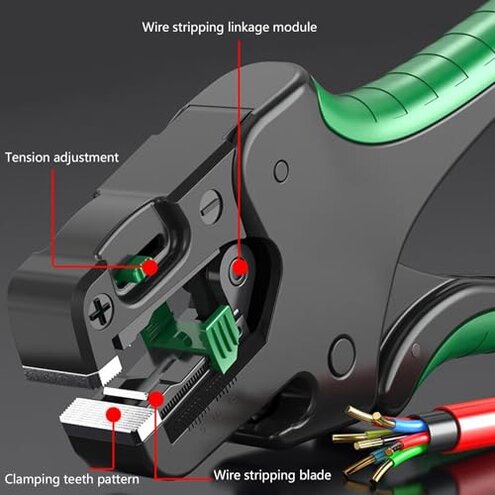
Many users experience damaged wire cores during stripping, which is frustrating and negates the tool's purpose. This damage commonly occurs during initial use and after repeated adjustments, indicating persistent precision issues.
The adjustment mechanism can be imprecise or sticky, causing inconsistent stripping length and pressure. Compared to typical mid-range wire strippers, this product fails more often to protect delicate wires, leading to extra work and wasted materials.
Buyers note this as the primary frustration that outweighs other benefits.
Is the tool comfortable during extended use?
- Basic ergonomic design provides some grip support but reports say it leads to hand fatigue faster than expected.
- This discomfort emerges after moderate to long sessions common in electrical work.
- Material hardness and shape lack cushioning, making repeated use tiring.
- Compared to more refined grips in similar tools, it adds to user strain.
- Buyers wishing for comfort see this as a secondary inconvenience that limits usability.
How reliable is the adjustment switch for different wire sizes?
- The elastic adjustment switch intended for easy size changes is reported as sticky and imprecise.
- This problem is persistent but not universal, mostly noted within the first few weeks of use.
- Sticky adjustments cause incorrect stripping length, risking wire damage or extra effort.
- Compared to smoother switches on comparable models, this is a notable limitation.
- Fix attempts such as lubrication are not always effective or convenient.
Does the tool stand up to frequent or heavy use?
- Durability concerns arise after repeated daily use, with wear appearing faster than expected.
- Users report blade dulling and loosening within weeks, impacting performance.
- This short lifespan is worse than typical mid-range alternatives, leading to early replacement needs.
- Heavy-duty users find this adds cost and downtime compared to more robust tools.
- Regular maintenance is more demanding than category norms.
What hidden skills or setup does the tool require?
- Despite claims of automatic adjustment, users find a learning curve to achieve precise stripping.
- This is especially true for different wire gauges and sheathed cables, requiring trial and error.
- Many users do not anticipate needing to fine-tune or manually override the tool.
- This hidden complexity increases setup time and user frustration compared to truly plug-and-play tools.
- Real-world use reveals this as a notable hidden challenge.
Illustrative Excerpts
- "The wire often gets nicked, ruining my project early on." (Primary pattern, core damage)
- "After 30 minutes, my hand aches from the hard grip." (Secondary pattern, comfort issue)
- "Adjustment switch sticks sometimes, making me redo strips." (Secondary pattern, adjustment problem)
- "Blades dull within weeks despite careful use." (Secondary pattern, durability concern)
- "Took me several tries to figure out how to use it correctly." (Edge-case pattern, hidden skill)
Who should avoid this
- Professionals needing consistent wire protection should avoid due to frequent stripping damage.
- Anyone expecting comfortable long-term use will find the grip lacking.
- Users who require easy, precise adjustment may find the switch problematic.
- Heavy users or industrial settings where durability is critical should look elsewhere.
- Buyers unwilling to spend time on a learning curve for setup should avoid this model.
Who this is actually good for
- Hobbyists doing occasional, light wire stripping who tolerate minor wire damage.
- Users on a budget willing to accept some compromise in precision and comfort.
- Those who prefer a simple multifunction tool and can invest time to learn adjustments.
- People handling varied wire types who appreciate the automatic adjustment feature despite quirks.
Expectation vs reality
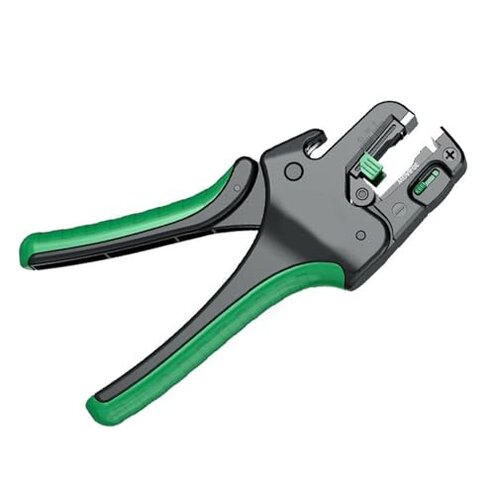
- Expectation: Automatic adjustment makes stripping effortless.
- Reality: Adjustment switch is often sticky, requiring manual fine-tuning not typical for this category.
- Expectation: Comfortable grip for long use, standard for similar tools.
- Reality: Grip causes early hand fatigue, worse than most mid-range wire strippers.
Safer alternatives
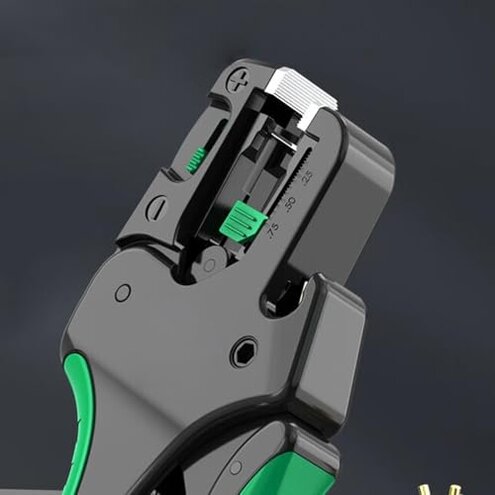
- Choose wire strippers with smoother, precise adjustment mechanisms to avoid stripping errors.
- Select models with ergonomic, cushioned handles to reduce hand strain during extended use.
- Look for tools with proven durability and replaceable blades for long-lasting performance.
- Prioritize brands known for consistent wire protection to prevent core damage.
- Consider simpler, manual tools if learning curve and adjustment issues are a concern.
The bottom line
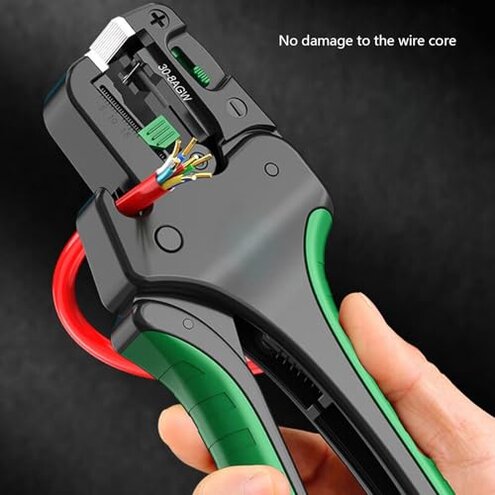
The main regret is frequent wire core damage due to imprecise stripping, which is a significant risk compared to typical mid-range tools. This problem, combined with an uncomfortable grip and adjustment issues, makes the product less reliable for professional or heavy use. Buyers valuing precision and comfort should consider alternatives.
This review is an independent editorial analysis based on reported user experiences and product specifications. NegReview.com does not sell products.