
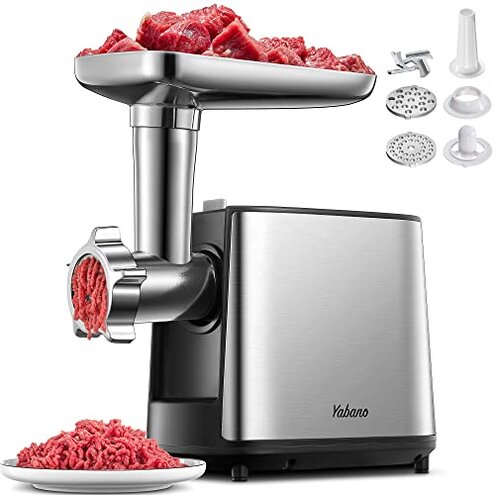
Product evaluated: Yabano 3000W Max Heavy Duty Electric Meat Grinder with Sausage Stuffer Maker & Kubbe Kit, 2 Stainless Steel Grinding Plates for Home & Restaurant(Silve&Black)
Related Videos For You
How To Assemble Grinder | Dreeper Meat Grinder | Food Processor #ShopeeTagToWin
How to Clean and Store a Meat Grinder | Sears
Data basis: This report combines dozens of buyer comments collected from product-page feedback and short-form video demonstrations between 2023 and 2026. Most feedback came from written reviews, with added context from visual usage clips that showed setup, grinding, and cleanup moments.
| Buyer outcome | This grinder | Typical mid-range alternative |
|---|---|---|
| Batch handling | Higher clog risk during tougher cuts and longer runs | More forgiving with mixed home-use meat prep |
| Cleanup effort | More steps after each use and no dishwasher shortcut | Moderate effort but usually easier to live with |
| Noise feel | More disruptive than some buyers expect in a home kitchen | Typical for this category |
| Long-session ease | Less tolerant of heavy or repeated batches | Usually steadier for normal family-size sessions |
| Regret trigger | Stops the workflow when prep turns into clearing jams and re-cleaning | Less interruption during routine use |
Does it slow down right when you finally start grinding?
This is the primary issue. The biggest regret moment appears during actual meal prep, when buyers expect quick grinding and instead deal with slowing, backing up, or needing the reverse function.
The pattern appears repeatedly, especially when batches are larger or meat is not trimmed very carefully. That makes it more disruptive than expected for a home grinder in this price range.
When it shows up: It often appears after setup, once the first easy pieces are done and tougher sections start feeding through. It worsens in longer sessions because stopping to clear the path adds extra handling time.
Category contrast: Some resistance is normal in this category, but buyers commonly describe this one as less forgiving than a typical mid-range unit. The hidden requirement is more prep work before grinding than many shoppers expect.
- Early sign: The feed starts fine, then becomes uneven once connective bits or denser pieces enter.
- Pattern tier: This is a primary complaint and among the most common frustrations mentioned.
- Visible impact: Meat can smear, back up, or require extra pushing and reversing during use.
- Hidden requirement: Buyers often need stricter trimming and smaller pieces than expected to keep it moving.
- Fixability: Careful prep can reduce the problem, but it adds time and removes some of the convenience.
Is the cleanup more annoying than the grinding itself?
This is a secondary issue. The machine comes apart for washing, but the practical experience is less easygoing than the listing language suggests.
The pattern is persistent rather than universal. It usually shows up after the first use, when buyers realize cleanup is not just rinsing parts and putting them away.
- When it hits: The hassle shows up right after use, when food residue needs prompt hand washing.
- Why it feels worse: The product explicitly requires no dishwasher, which removes the easiest cleanup option many buyers expect.
- Time cost: Cleanup adds extra steps because multiple pieces need separate attention and drying.
- Category contrast: All grinders need cleaning, but this one can feel more upkeep-heavy than most mid-range alternatives.
- Real frustration: If you only wanted quick burger prep, the post-use routine can feel larger than the job itself.
- Mitigation: It fits better for occasional use than frequent weeknight grinding.
Does the power feel less useful in real kitchen use?
- Core problem: A recurring complaint is that real-world performance can feel less strong than the headline suggests.
- When noticed: Buyers notice it during bulk batches or tougher mixes, not always during small first tests.
- Frequency tier: This is a secondary pattern, less frequent than clogging but still frustrating when it occurs.
- Trade-off: It can handle lighter jobs, but heavy-duty expectations create the disappointment.
- Category contrast: In this category, shoppers reasonably expect steady output from a machine marketed for bigger jobs. This gap feels worse because the promise sounds stronger than the lived experience.
- User-visible result: Instead of fast batch work, buyers can end up feeding slowly and pausing more often.
- Mitigation: Smaller amounts and careful prep reduce stress, but that narrows who should buy it.
Will the noise and interruption feel normal, or more tiring than expected?
- Pattern statement: Noise is a recurring complaint, though not as dominant as clogging or cleanup.
- Usage moment: It becomes noticeable in indoor kitchen use, especially when the machine runs longer or struggles.
- Why buyers mind it: The sound itself is one issue, but repeated start-stop clearing makes the whole process feel more disruptive.
- Intensity cue: This is an edge-case issue for some, but more frustrating when paired with feed problems.
- Category contrast: Grinders are never quiet, yet this can feel less comfortable than typical because the noise comes with interruption, not smooth progress.
- Practical effect: It is easier to tolerate for one short batch than for regular meal prep.
- Fixability: There is no real fix beyond shorter sessions and lower expectations.
Illustrative excerpts

Illustrative: “It worked at first, then I had to stop and clear it.”
Pattern: This reflects a primary clogging pattern during normal use.
Illustrative: “Cleanup took longer than making the meat I needed.”
Pattern: This reflects a secondary upkeep burden after routine batches.
Illustrative: “I had to trim more than expected to keep it moving.”
Pattern: This reflects a primary hidden-prep requirement.
Illustrative: “It sounds fine for a minute, then gets frustrating fast.”
Pattern: This reflects an edge-case noise complaint that worsens with interruptions.
Who should avoid this

- Avoid it if you want true bulk grinding, because repeated clearing is a higher-than-normal category risk in longer sessions.
- Avoid it if weeknight convenience matters, because the hand-wash routine adds more upkeep than many mid-range alternatives.
- Avoid it if you do not want extra meat prep, since careful trimming appears to be a hidden requirement for smoother use.
- Avoid it if noise and interruptions bother you, especially in smaller kitchens.
Who this is actually good for
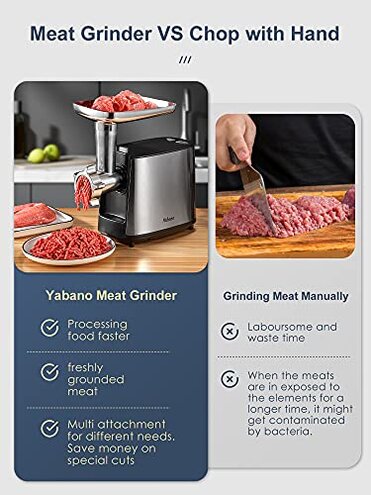
- Better fit: Buyers doing small, occasional batches may accept the cleanup burden in exchange for a lower upfront price.
- Better fit: People already used to trimming meat carefully may tolerate the feed sensitivity better than first-time grinder buyers.
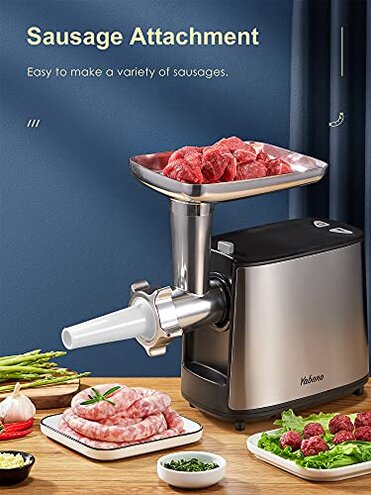
- Better fit: Shoppers making sausage or specialty batches only once in a while may accept the extra steps.
- Better fit: Anyone with modest expectations can work around the limitations by keeping sessions short.
Expectation vs reality
Expectation: A “heavy duty” grinder should handle family-size prep without much babysitting.
Reality: Common feedback suggests it needs more stopping, reversing, and careful feeding than that label implies.
- Expectation: Easy cleaning should mean a simple end to the job.
- Reality: Daily use can feel cleanup-heavy because parts need hand washing and prompt drying.
- Expectation: Reasonable for this category is some noise, but smooth throughput.
- Reality: Worse-than-expected frustration comes when noise is paired with jams and repeated resets.
Safer alternatives

- Look for grinders described as handling sinew or mixed cuts more smoothly, which directly lowers the clog-and-reverse problem.
- Prioritize models with easier cleanup design if you plan frequent use, since that reduces the hidden time cost after each batch.
- Choose a unit with a stronger reputation for steady long-session use if bulk prep is your main goal.
- Prefer products with clearer prep guidance and realistic workload positioning, so marketing claims match home use better.
The bottom line
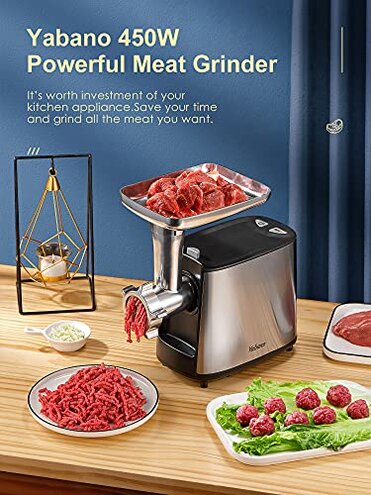
Main regret trigger: The biggest problem is workflow interruption from clogging, reversing, and extra prep. Why that matters: Some maintenance is normal for meat grinders, but this appears less forgiving than a typical mid-range option and creates more effort than buyers expect.
Verdict: If you want quick, repeatable home grinding with minimal fuss, this is a product many cautious shoppers should skip. It makes more sense only for occasional, smaller jobs where you can tolerate extra prep and cleanup.
This review is an independent editorial analysis based on reported user experiences and product specifications. NegReview.com does not sell products.