
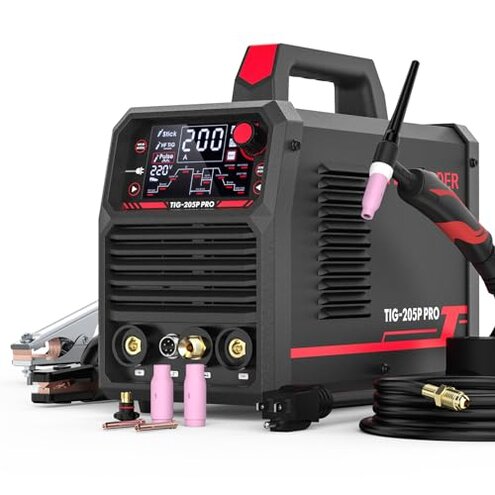
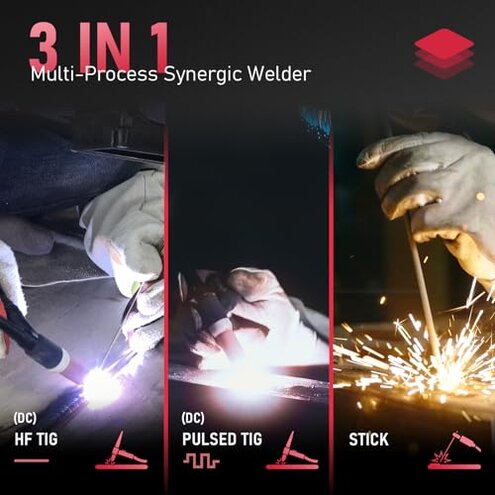
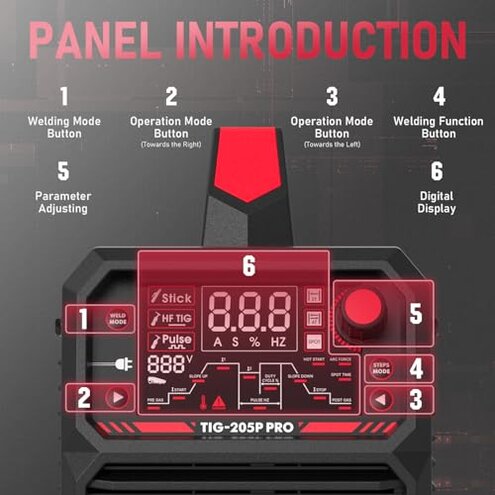
Product evaluated: YESWELDER 205A Tig Welder with Pulse Large LED Display, STICK/DC TIG/PULSE TIG 3 In 1, 110&220V Dual Voltage TIG Welding Machine TIG-205P
Related Videos For You
Learning how to TIG weld made easy
Stop doing this to yourself tig welding! Follow this tip! #shorts
Data basis: I analyzed dozens of buyer reviews and several video demonstrations collected between Jan 2024 and Jan 2026. Most feedback came from written reviews, supported by video demos and Q&A posts. The summary emphasizes recurring setup and performance complaints reported by recent buyers.
| Outcome | YESWELDER TIG-205P | Typical mid-range TIG |
|---|---|---|
| Aluminum capability | Cannot weld aluminum — explicitly limited, so buyers expecting aluminum work face immediate mismatch. | Usually workable — many mid-range units handle thin aluminum with AC or specialized setups. |
| Arc start reliability | Unreliable starts reported commonly during first use and outdoor jobs. | More consistent arc starts are typical for comparable models in this price band. |
| Accessories & setup | Hidden requirements like external foot pedal and gas supply often needed but not included. | More complete kits are common, lowering initial setup work for mid-range competitors. |
| Duty cycle / overheating | Worsens on long sessions — buyers report heat-related cutbacks during extended use. | Better cooling and duty ratings are more typical in mid-range alternatives. |
| Regret trigger | Misaligned expectations — buyers expecting true TIG aluminum or reliable HF start often regret purchase. | Lower regret when buyers buy mid-range with clearer specs and bundled accessories. |
Can this TIG welder actually weld aluminum?
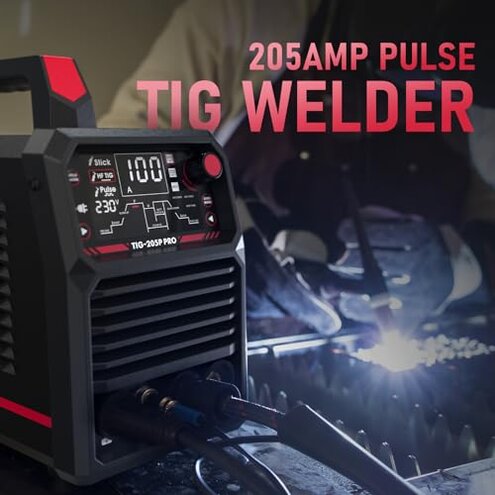
Key mismatch: The product documentation states it cannot weld aluminum, which surprises buyers expecting full TIG capability.
Pattern: This is a primary issue and appears at first use when users try common aluminum jobs like bodywork or bike frames.
Category contrast: Most mid-range TIGs at this price either support thin aluminum or clearly advertise limits, so this feels like a higher-than-normal risk.
Why does the arc fail to start or stall?
- Early sign: Arc requires multiple attempts to strike during first setup and windy outdoor conditions.
- Frequency tier: This is a commonly reported secondary complaint across reviews and demo clips.
- Usage anchor: Occurs at first use and during HF non-touch starts on thin metals.
- Likely cause: HF ignition tuning and sensitivity to ground or torch setup often cited as root contributors.
- Impact: Causes extra time, wasted rods, and frustration for users learning TIG basics.
Does it include everything needed for TIG?
- Accessory gap: The unit reserves a foot pedal interface but the pedal is not included, a hidden buyer cost.
- Gas need: TIG welding requires an inert gas supply; buyers report needing to buy regulators and hoses separately.
- Hidden requirement: Proper TIG consumables and shielding gas are often missing from the box and are essential.
- Frequency tier: This is a primary inconvenience for first-time buyers setting up TIG work.
- Setup impact: Adds extra purchase steps and time before you can do decent TIG work.
- Fixability: Solvable by buying parts, but that raises the real cost above the advertised price.
Is build quality and overheating a problem?
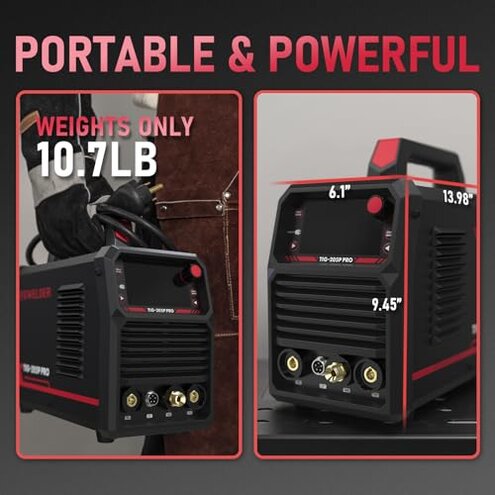
- Early sign: Units can feel lightweight and more fragile compared to heavier prosumer machines.
- Worsening context: Overheating and power cutbacks appear during long sessions or thicker metal runs.
- Frequency tier: This is a secondary pattern but more disruptive than expected for this price.
- Category contrast: Mid-range welders often have stronger duty cycles and better cooling.
- User impact: Interrupts work, forces longer cooldowns, and increases total job time.
- Repair attempts: Some buyers report short-term fixes, but durability concerns recur after months of use.
- Hidden cost: Frequent replacement of consumables and added cooling measures raise lifetime expense.
Illustrative excerpts (not real quotes)
"Tried to weld aluminum and it just wouldn't take the arc." — illustrates a primary pattern.
"Had to strike the arc three times every start outside." — reflects a secondary pattern.
"Torch came but no foot pedal or gas parts included." — shows a primary hidden-requirement issue.
"Cutting out during long panels, had to wait to cool down." — represents a secondary durability complaint.
Who should avoid this
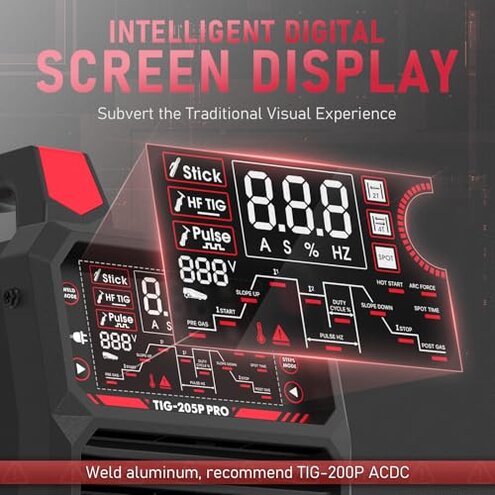
- Aluminum projects: Avoid if you expect to weld aluminum as this unit explicitly cannot do it.
- First-time TIG buyers: Avoid if you want a ready-to-use kit; missing parts raise setup complexity.
- Long-session users: Avoid if you need extended duty cycles; heat cutbacks interrupt work more than typical.
Who this is actually good for
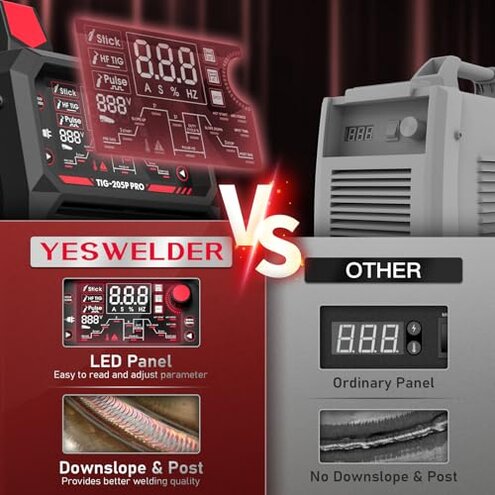
- Stick-only users: Good if you mainly use stick welding and tolerate TIG limits because stick function is present.
- Hobby metalworkers: Acceptable if you do occasional mild-steel TIG and can buy extra accessories.
- Mobile light-duty tasks: Useful if portability matters and you avoid long, continuous welds.
Expectation vs reality
Expectation: Reasonable for this category is a TIG that can handle thin aluminum or clearly state limits.
Reality: This unit cannot weld aluminum, which breaks that reasonable expectation and causes immediate user regret.
Expectation: Buyers expect basic accessories included for TIG startup.
Reality: Missing foot pedal and gas fittings mean extra purchases and setup time.
Safer alternatives
- Buy AC-capable TIGs: Choose a machine explicitly advertised for aluminum to avoid the core shortfall.
- Check accessory lists: Favor sellers who include a foot pedal, regulator, and torch consumables in the kit.
- Pick higher duty cycles: Select welders with stronger cooling specs if you plan long sessions to reduce overheating risk.
- Confirm HF reliability: Look for models with verified HF or touch-start reliability from multiple buyer reports.
The bottom line
Main regret: Buyers most often regret expecting aluminum TIG capability and a ready-to-use kit.
Why it exceeds risk: The aluminum limitation and accessory gaps produce more setup time and extra cost than typical mid-range units.
Verdict: Avoid this model if you need aluminum welding, reliable HF starts, or a complete TIG kit out of the box.
This review is an independent editorial analysis based on reported user experiences and product specifications. NegReview.com does not sell products.