
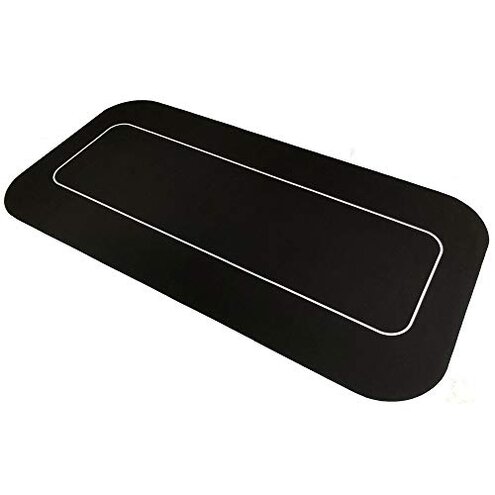
Product evaluated: Yuanhe 70" x 35" Portable Rectangle Sure Stick Rubber Foam Poker Table Top Layout Poker Mat (Black)
Related Videos For You
Poker Table Set-up | Poker Tutorial with @Spraggy | PokerStars Learn
Portable Poker Mat - Triton Poker Tables
Data basis This report combines dozens of buyer comments gathered from written feedback and short video-style demonstrations collected from 2021 to 2026. Most feedback came from written impressions, with supporting visual posts helping confirm setup, fit, and table-use complaints that appeared repeatedly across sources.
| Buyer outcome | Yuanhe mat | Typical mid-range alternative |
| Setup effort | Higher chance of extra flattening and positioning after unpacking. | Moderate setup, with less fuss before first game. |
| Card handling | Mixed glide and pickup, which can feel awkward during longer sessions. | More predictable play surface for casual home games. |
| Table grip | Higher-than-normal risk of shifting on some table surfaces during active play. | Usually steadier under normal card and chip movement. |
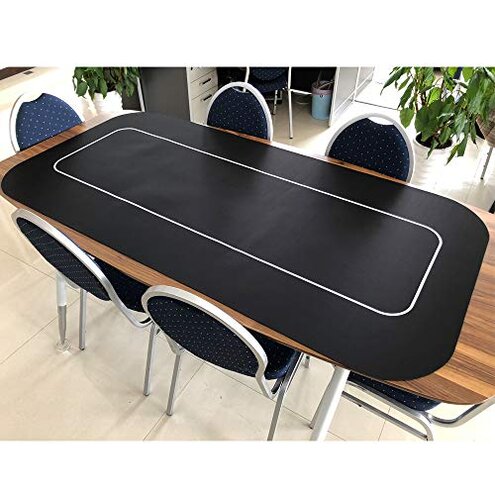
| Size fit | Less forgiving because the 70 x 35 inch footprint needs a suitable table. | Often easier to match with common dining tables. |
| Regret trigger | Buyer regret tends to start when a quick game night needs extra setup and adjustment. | Lower regret if you want simple unpack-and-play use. |
Why does it still need fussing before the first hand?
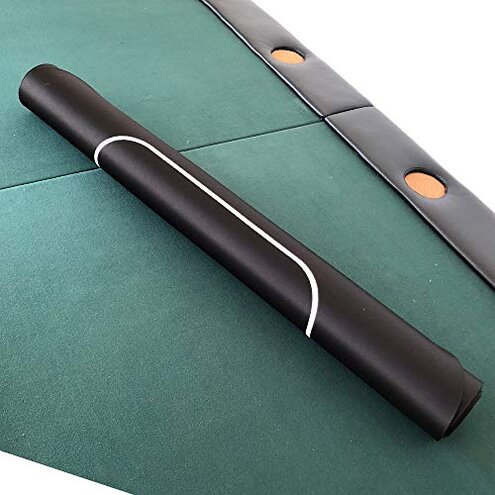
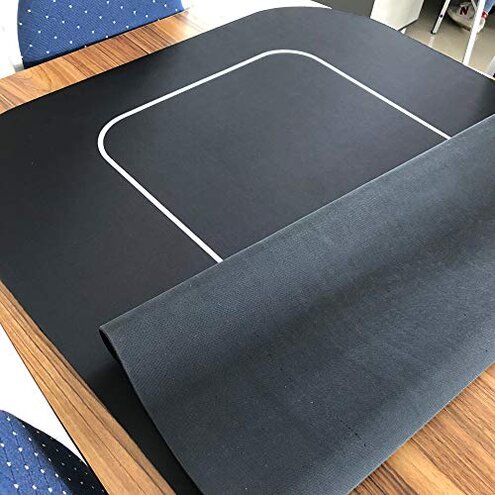
This is a primary issue. A recurring complaint is that the mat can need time and effort to lie flat after setup. That feels more disruptive than expected for this category because a portable poker surface is supposed to save prep time, not add it.
The regret moment usually shows up on first use, especially when buyers open it right before guests arrive. It gets worse when the mat has been stored tightly or moved often between game nights.
- Pattern Flattening complaints appear repeatedly, though not every buyer is equally bothered.
- Early sign Edges or sections may resist settling right after you unroll it.
- Context The issue is most noticeable during setup, before cards and chips even hit the table.
- Impact You may spend extra time smoothing and repositioning instead of starting the game.
- Category contrast Even portable mats usually need some settling, but this looks less plug-and-play than many mid-range options.
- Hidden requirement Buyers may need a larger clear surface and a little pre-game time to get acceptable results.
Illustrative excerpt: “I thought I could unroll it and start, but it needed work first.” Primary pattern, because the complaint centers on first-use setup friction.
Why can card play feel less smooth than expected?
- Severity This is a primary complaint because it affects the main reason you bought a poker mat.
- Pattern Surface feel concerns are commonly reported during daily use, not just at unboxing.
- When it shows up The problem becomes obvious during dealing, card pickup, and longer sessions.
- What buyers notice Cards may not move or lift as naturally as they expected from product photos and listing language.
- Why it frustrates Small handling annoyances repeat every hand, so the irritation builds over a whole night.
- Category contrast Some adjustment is normal with any new mat, but this seems less forgiving than a typical mid-range felt-style play surface.
- Fixability There is not much to fix if the texture simply does not match your preferred card feel.
Illustrative excerpt: “Cards worked, but dealing never felt as clean as I expected.” Primary pattern, because it hits the core play experience.
Why does the mat move around on some tables?
This is a secondary issue. It appears less often than flattening or surface feel complaints, but it becomes more frustrating when it happens mid-game. That is worse than normal for this category because a table mat should reduce distractions, not create them.
The problem tends to show up after setup during active hands, especially with frequent chip movement or players leaning on the edge. It is seen across multiple feedback sources, which suggests it is table-dependent rather than totally random.
- Scope Grip complaints are persistent but not universal, which points to sensitivity to the table underneath.
- Usage moment Shifting is most noticeable when players reach, slide chips, or bump corners.
- Impact Even small movement can misalign betting space and make the setup feel cheaper.
- Cause The sure-stick idea seems to work better on some surfaces than others.
- Mitigation A cleaner, flatter table may help, but that adds extra conditions to get the advertised benefit.
Illustrative excerpt: “It stayed put at first, then started creeping during the game.” Secondary pattern, because it depends on table type and play style.
Will the size actually be convenient in a normal home setup?
- Tier This is a secondary issue because the listed 70 x 35 inch size is clear, but real-room fit still catches buyers off guard.
- When it appears The mismatch shows up during setup when buyers try to use a dining or folding table.
- What goes wrong A mat this large can be less flexible if your table is shorter, narrower, or already crowded.
- Why it matters Portability sounds easy, yet a light mat still needs a compatible surface to work well.
- Category contrast Large poker mats are normal, but this size leaves less margin for error than more adaptable mid-range options.
- Buyer impact If the fit is off, edge overhang or cramped seating can make game night feel improvised.
- Hidden cost You may end up needing a dedicated table or more room than you planned.
Illustrative excerpt: “Nice idea, but it was bigger and pickier than my table setup.” Secondary pattern, because the regret depends on room and table size.
Who should avoid this
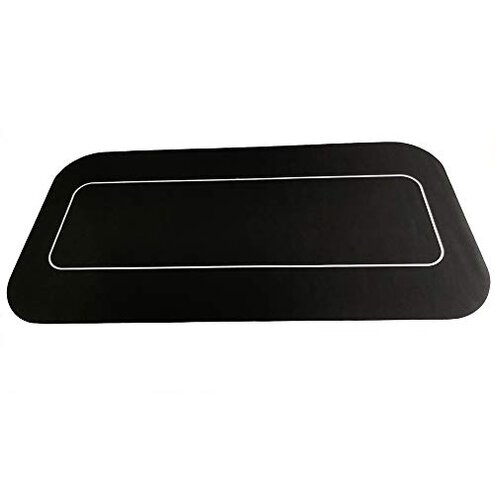
- Avoid it if you want true unpack-and-play convenience, because first-use flattening appears repeatedly and adds prep time.
- Skip it if you are picky about card glide, since the play surface feel is a primary issue during actual dealing.
- Pass if your table surface is slick or uneven, because grip complaints become more disruptive during active games.
- Look elsewhere if your table size is borderline, since the 70 x 35 inch footprint is less forgiving than it sounds.
Who this is actually good for
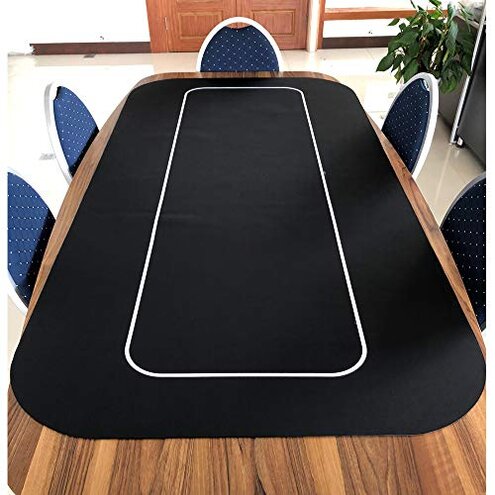
- It fits buyers with a dedicated table who can leave it set up or give it time to settle before guests arrive.
- It suits casual players who care more about having a full table layout than perfect card handling.
- It works for occasional game nights where minor shifting or surface quirks will not ruin the fun.
- It helps shoppers focused on a lower price point who accept more setup fuss to save money.
Expectation vs reality
Expectation: A portable mat should be quick to deploy for a spontaneous game night.
Reality: Setup friction is a recurring complaint, so the convenience can be worse than expected.
Expectation: Reasonable for this category, a rubber-backed mat should stay put on most normal tables.
Reality: Grip reliability appears more table-sensitive than many buyers expect from a mid-range alternative.
Expectation: The playing surface should make dealing and card pickup feel cleaner than bare wood.
Reality: Play feel is mixed enough that some buyers do not find the upgrade especially satisfying.
Safer alternatives
- Choose thicker mats that are described as easier to lay flat if first-use setup time would annoy you.
- Prioritize surface feel by looking for products with consistent feedback about card glide and pickup, not just appearance.
- Measure first and compare your usable tabletop against the full 70 x 35 inch footprint before buying any large layout.
- Look for table-specific grip feedback if your current table is smooth, glossy, or frequently bumped during play.
- Consider semi-rigid tops if you want less shifting and fewer flattening hassles than a flexible roll-up mat usually brings.
The bottom line
Main regret starts when a product sold as portable needs extra flattening, careful table matching, and tolerance for mixed card handling. That exceeds normal category risk because these annoyances affect setup and actual play, not just cosmetics. Verdict: avoid it if you want low-fuss game nights, and only consider it if you accept trade-offs for price and size.
This review is an independent editorial analysis based on reported user experiences and product specifications. NegReview.com does not sell products.