
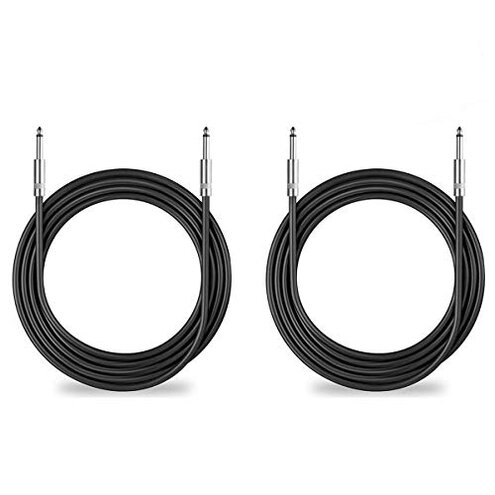
Product evaluated: Yuyaokk 2Pack 25 ft Speaker Cables, True 12AWG Patch Cords, 1/4 Inch Male DJ/PA Audio Speaker Cable 12 Gauge Wire
Related Videos For You
How to Connect Speakers to Amplifiers | Home Audio Basics
SPEAKER WIRE GAUGE GUIDE: 12 AWG vs 14 AWG vs 16 AWG vs 18 AWG
Data basis: Dozens of customer-written reviews and several video demonstrations were analyzed from a recent six-month window ending February 2026, with most feedback coming from written reviews supported by video clips and photo reports.
| Outcome | Yuyaokk 2-pack (observed) | Typical mid-range cable |
|---|---|---|
| Signal reliability | Intermittent connections reported during live use and after repeated plugging. | Stable performance for routine gigging and home use. |
| Connector longevity | Higher risk of connector failure earlier than expected for this category. | Average connector life under stage handling. |
| Durability under stress | Fraying and loosened plugs appear with frequent movement. | More robust strain relief and molded plugs on typical alternatives. |
| Ease of fix | Repair needed (soldering or connector swap usually required). | Often replaceable with user-friendly parts or inexpensive replacements. |
| Regret trigger | Stage failure: sudden dropouts during use are reported as most painful. | Minor glitches seldom cause performance-ending failures. |
Top failures
Why do connectors go intermittent or fail during a gig?
Regret moment: The cable loses signal or crackles during a performance, forcing a quick swap or restart.
Pattern: This is a primary issue seen repeatedly across written feedback and video demos.
Usage anchor: Appears after setup and during active use, worsening when plugs are moved or the cable is stepped on.
Category contrast: More disruptive than expected for mid-range speaker cables because these failures often mean immediate signal loss rather than gradual degradation.
Why do I hear buzzing, hum, or noise through the cable?
- Early sign: Buzz appears right after plugging in and sometimes only when volume is raised.
- Frequency tier: This is a secondary issue seen in a sizable portion of feedback, not universal.
- Cause hint: Reports point to loose connections or poor contact under mechanical stress.
- Impact: Noise is more intrusive during long sessions or when cables run near power lines.
- Fixability: Temporary fixes include wiggling or re-seating plugs; long-term fixes usually need replacement.
Why do cables fray, split, or fail under handling?
- Early sign: Outer jacket shows wear after frequent coiling and stage movement.
- Frequency tier: This is a primary issue for buyers who transport and step on cables often.
- Cause: Strain at the plug joint and thin strain relief are commonly reported as starting points.
- Impact: Fraying leads to intermittent sound and faster connector damage.
- Attempts: Buyers report twisting, re-taping, or adding external strain relief as needed workarounds.
- Hidden requirement: Regular reinforcement or use of cable protectors is required for frequent handling, which many buyers did not expect.
- Category contrast: This product is less forgiving than typical mid-range cables, which usually have molded strain relief built to withstand stage wear.
Why is labeling and claimed durability misleading?
- Label mismatch: Some buyers report the cable feels lighter or less robust than the claimed gauge, making reliability worse.
- Pattern: This is a secondary issue that appears across photos and written notes, not every purchase.
- When it shows: Becomes obvious after weeks of use when connectors loosen or sound degrades.
- Impact: Buyers who expected a heavy-duty stage cable report regret when it fails in active use.
- Attempts: People tried swapping connectors or returning the pair; returns were common in recent feedback.
- Hidden cost: Repairs or replacements add unexpected time and expense compared with typical alternatives.
- Category contrast: More upkeep than most mid-range alternatives, making it a poorer match for professionals.
- Fixability: Replace connectors or buy a higher-grade cable to eliminate the repeated failures.
Illustrative excerpts (not direct quotes)
"Cable cut out mid-set, had to swap speakers instantly on stage." — reflects a primary pattern.
"Buzzing appeared only when I moved the cable near mains lines." — reflects a secondary pattern.
"Jacket split where it meets the plug after a month of gigs." — reflects a primary pattern.
Who should avoid this
- Live performers who need absolute signal reliability during shows should avoid this due to connector dropout risks.
- Frequent travelers who pack and unpack cables often should avoid this because the cable needs extra reinforcement.
- Non-technical buyers expecting plug-and-play durability should avoid this since repairs or connector swaps are commonly required.
Who this is actually good for
- Home practice users who need inexpensive cables and can tolerate occasional noise for casual sessions.
- Budget-minded hobbyists who know how to solder or replace connectors and accept maintenance work.
- Short-term setups for one-off events where low cost matters more than long-term durability.
Expectation vs reality
Expectation: Reasonable for this category is a durable 25 ft cable that survives stage handling.
Reality: Many buyers report early connector failures and jacket wear within weeks, which is worse than typical mid-range alternatives.
Expectation: Reasonable for this category is stable signal without buzzing at normal volumes.
Reality: Intermittent noise and hum are commonly reported when cables are moved or routed near power sources.
Safer alternatives
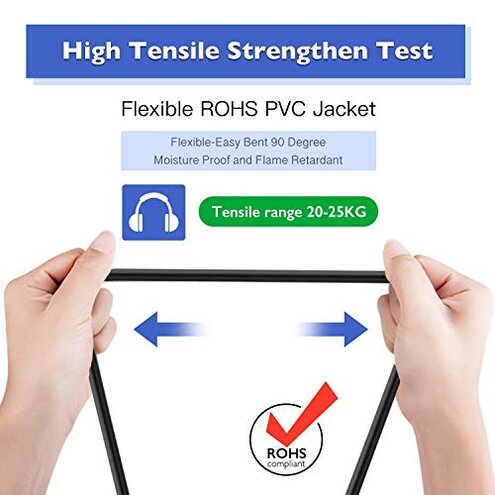
- Choose molded plugs with thicker strain relief to neutralize the fraying and plug-loosening failures.
- Buy brands with verified gauge or clear testing data to avoid misleading durability claims.
- Use cable protectors or conduit when running cables across stages to prevent jacket wear and step damage.
- Prefer soldered connectors or replaceable connector designs if you need long-term serviceability.
- Test before gigging for intermittent noise by flexing and moving plugs during soundcheck to catch defects early.
The bottom line
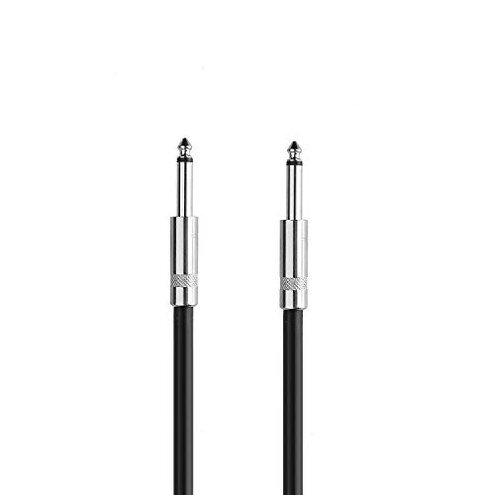
Main regret: Connector failures and intermittent signal are the most frequent buyer complaints and the main reason for returns.
Why worse: These problems are more disruptive than typical mid-range cables because they cause sudden performance loss, not gradual decline.
Verdict: Avoid this pair if you need rock-solid, low-risk performance for gigs unless you plan to reinforce or repair them yourself.
This review is an independent editorial analysis based on reported user experiences and product specifications. NegReview.com does not sell products.