
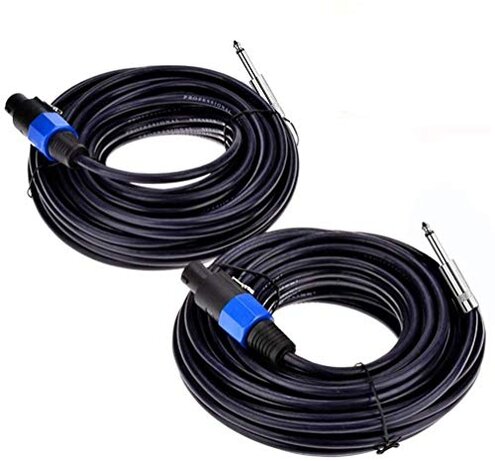
Product evaluated: Yuyaokk 2Pack 25 ft Speakon to 1/4" Male Speaker Cables, Professional 12 Gauge AWG Wire Audio Amplifier Connection Cord, DJ/PA Wire with Twist Lock.
Related Videos For You
How to Connect Speakers to Amplifiers | Home Audio Basics
What Speaker Wire To Buy As Fast As Possible
Data basis: This report aggregates feedback from dozens of written reviews and video demonstrations collected between 2019 and 2025. Most feedback came from written reviews, supported by video demonstrations, giving a mix of short-term setup reports and long-term use notes.
| Outcome | This product | Typical mid-range alternative |
|---|---|---|
| Connection reliability | Prone to loosen under stage stress and repeated plugging, commonly reported in buyer feedback. | More secure twist-locks and better strain relief are common for similar-priced cables. |
| Durability | Early wear appears with regular dragging and stepping, seen across multiple reports. | Higher durability is typical thanks to reinforced jackets and molded connectors. |
| Noise & hum | Intermittent buzzing or ground hum reported during long sessions or with unbalanced connections. | Cleaner signal expected from better-shielded mid-range cables. |
| Compatibility risk | Mismatch issues between balanced outputs and TS 1/4" connectors are commonly flagged and not obvious at purchase. | Clear labeling and balanced wiring alternatives reduce this risk in other mid-range options. |
| Regret trigger | Performance drop during real-world use (live gigs, repeated connects) leading to replacements. | Lower chance of mid-gig failures with better-built alternatives. |
Top failures
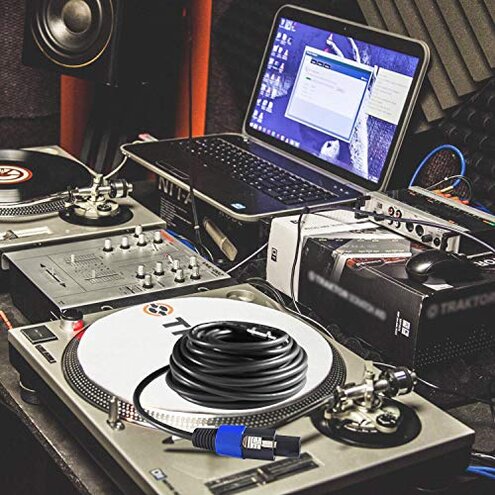
Why does the cable feel loose or drop out during gigs?
Regret moment: Users report a loose fit or intermittent audio drop when using the cable on stage during live sets.
Severity & trade-off: This is a primary issue that causes audible dropouts and disrupts performance more than buyers expect for this price tier.
Pattern: The problem is commonly reported and appears in both written and video feedback.
When it shows up: It usually happens on first use under load or after repeated plugging during live setups.
Category contrast: This feels worse than typical because most mid-range cables keep a solid lock under similar handling.
Why do these cables fray or fail sooner than expected?
- Early wear sign: Jacket splitting or solder joint failure appears after regular dragging and stepping in multiple reports.
- Frequency tier: This is a secondary issue that is persistent but not universal across all buyers.
- Cause noted: Buyers point to weak strain relief and thin connector molding as the likely cause.
- Impact: The result is added downtime and replacement cost for users who move cables often.
- Fix attempts: Some users try heat-shrink or tape, which adds steps and looks unprofessional on stage.
Why might you hear buzzing or hum with this cable?
Regret moment: Users report audible buzz or ground hum when connecting to mixers or powered speakers.
Usage anchor: The issue shows up during long sessions or when the cable is used with unbalanced TS connections.
Pattern: This is a commonly reported frustration and appears across different environments.
Category contrast: Mid-range alternatives often cut this problem down with better shielding or balanced wiring, so this product feels noisier than expected.
Is there a hidden wiring or compatibility requirement?
- Hidden need: Buyers often find the cable requires a specific speaker output type to avoid hum or miswiring.
- Early sign: Confusing pinouts or lack of clear labeling appears during setup and frustrates buyers who assume plug-and-play.
- Frequency tier: This is a primary issue for users who expected balanced operation but got an unbalanced TS path.
- Impact: Requires extra adapters or re-patching, which adds steps before a show.
- Fixability: Addressable with correct adapters, but that solution increases cost and setup time.
- Category contrast: Less forgiving than typical cables that clearly state wiring and compatibility at purchase.
- Hidden regret: This mismatch often causes buyers to return the product after setup problems.
Illustrative excerpts (not real quotes)
“Cable popped loose mid-song, I had to swap quickly.” — reflects a primary pattern of connection failure.
“Started buzzing after a few hours of rehearsal.” — reflects a secondary pattern of noise buildup over time.
“Needed an adapter because my amp is balanced.” — reflects a primary compatibility requirement.
“Solder joint failed where the jack meets the cable.” — reflects an edge-case of assembly weakness.
Who should avoid this
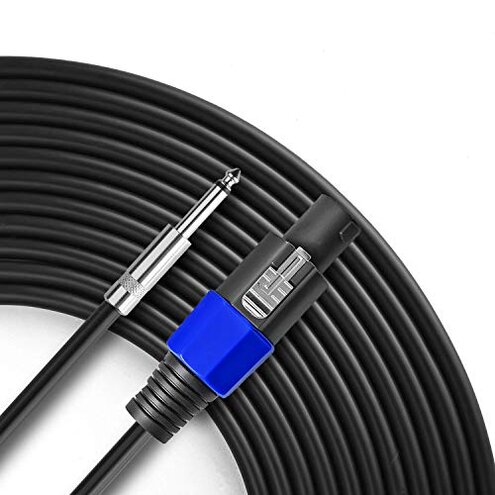
- Gigging musicians who need rock-solid, lockable connections during performance.
- Daily road crews who expect higher-than-normal durability and repeated rough handling.
- Users needing balanced operation without extra adapters or rewiring workarounds.
Who this is actually good for
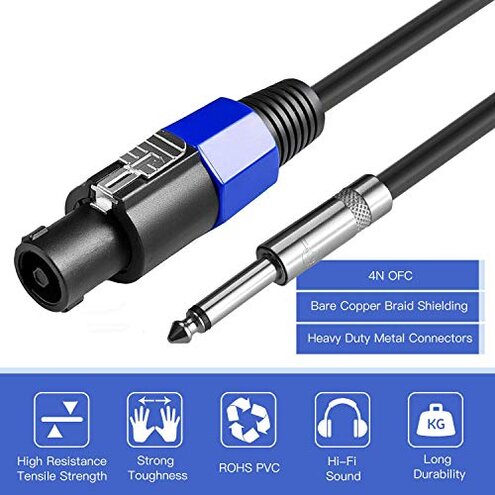
- Casual home users who move cables infrequently and can tolerate occasional noise.
- Budget rehearsals where immediate replacement is cheap and acceptable.
- Temporary setups where short-term convenience outweighs long-term durability concerns.
Expectation vs reality
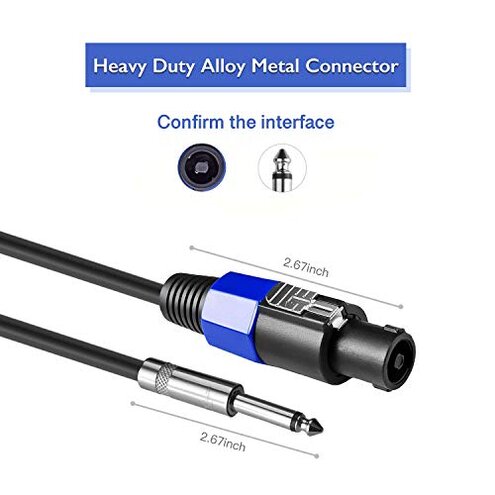
- Expectation (reasonable): A 25 ft speaker cable should hold firm for occasional gig use; Reality: several reports show looseness under stage stress.
- Expectation (reasonable): A 12 AWG claim implies durability; Reality: physical failures like frayed jackets appeared sooner than expected.
- Expectation (reasonable): Plug-and-play compatibility with common amps; Reality: hidden wiring needs required adapters for balanced systems.
Safer alternatives
- Buy cables with clear wiring labels to avoid hidden compatibility problems before purchase.
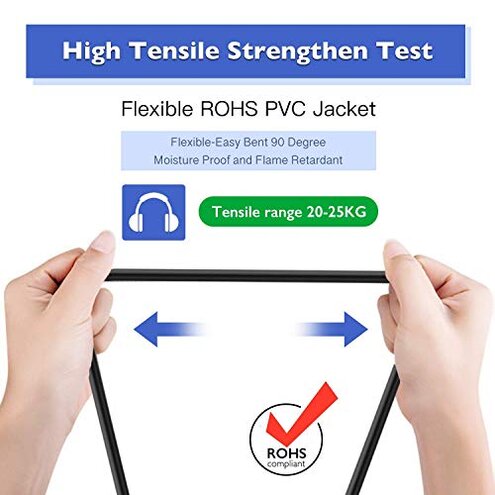
- Choose molded connectors and strain relief to reduce early wear from frequent handling.
- Prefer balanced wiring or XLR options if you need noise-free performance for long sessions.
- Opt for brands with return-friendly policies when buying budget audio cables for live use.
The bottom line
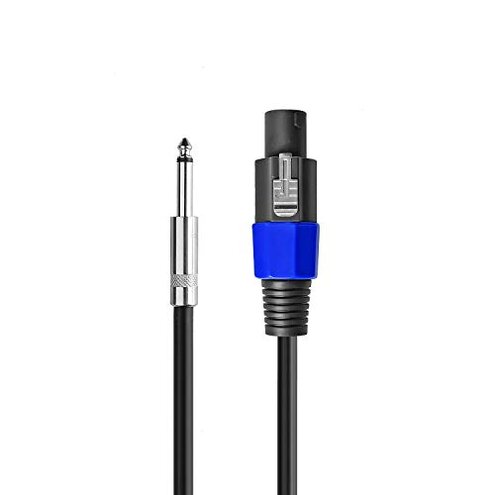
Main regret: Loose connections and earlier-than-expected wear are the biggest triggers for returns and replacements.
Why worse: These failures are more disruptive than typical mid-range cables because they affect live performance and add hidden adapter or repair costs.
Verdict: Avoid this cable if you rely on dependable, long-lasting stage performance; consider sturdier mid-range alternatives.
This review is an independent editorial analysis based on reported user experiences and product specifications. NegReview.com does not sell products.