
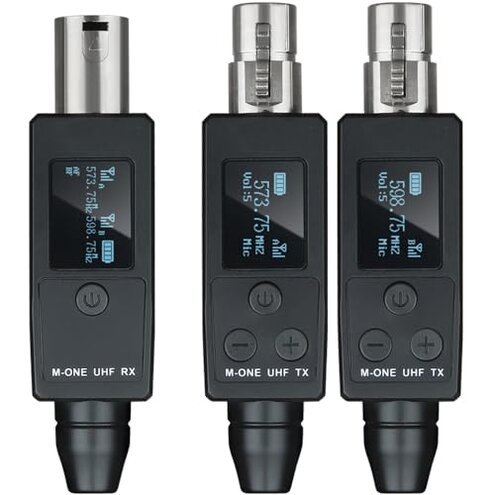
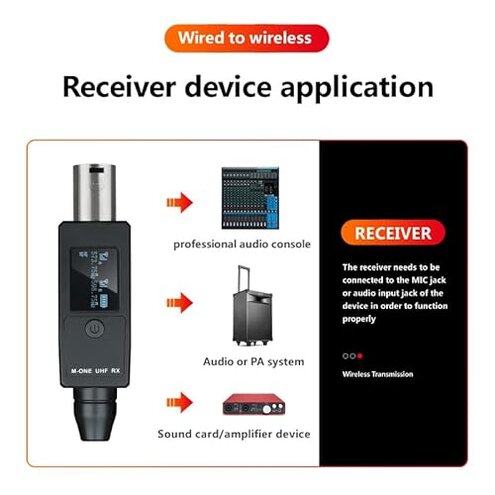
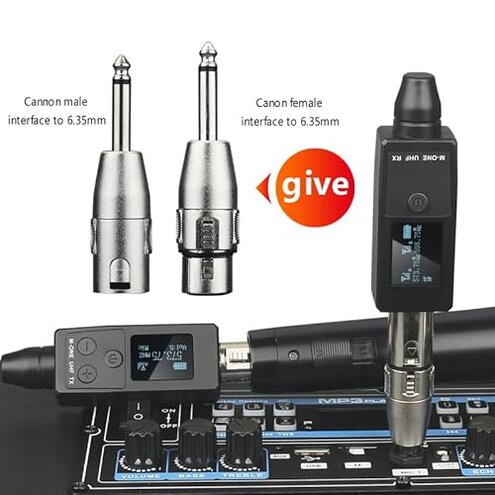
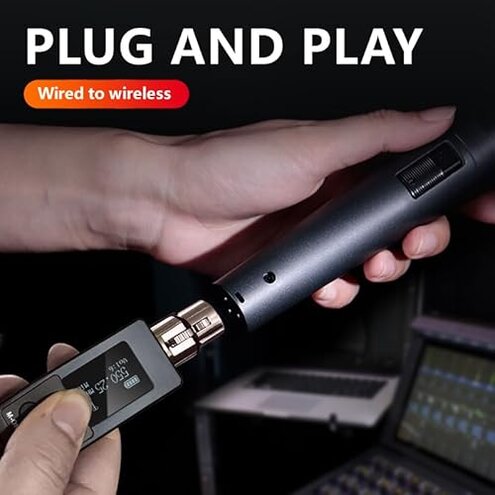
Product evaluated: YXG UHF Wireless XLR Transmitter and Receiver Plug-on Wireless Microphone System for Dynamic/Condenser Microphone,with 48V Phantom Power, Electric Guitar/Bass, and More,Audio Mixer, PA System
Related Videos For You
How To Setup A Wireless Microphone
hotec wirless microphone h-u05/u06 trouble shooting
Data basis: This report synthesizes feedback from dozens of buyer-written reviews and video demonstrations collected Jan 2023–Dec 2025, with most feedback coming from written reviews and supported by hands-on videos.
| Outcome | YXG M-ONE | Typical mid-range alternative |
|---|---|---|
| Connectivity stability | Unreliable dropouts reported during live use, worse than category norm. | Mostly stable connections with occasional interference under heavy RF load. |
| Audio clarity | Intermittent artifacts and hiss in some setups, affecting vocal presence. | Cleaner output across common PA setups when properly grounded. |
| Battery & runtime | Inconsistent battery behavior and charging reports, shorter than advertised in practice. | Predictable life with clear charging indicators and replacement options. |
| Setup complexity | Hidden steps for channel management and antenna placement increase setup time. | Simpler pairing and clearer documentation reduce setup friction for live events. |
| Regret trigger | Performance drops during shows create immediate live-audio regret and rework. | Minor interruptions that are easier to troubleshoot on the fly. |
Top failures
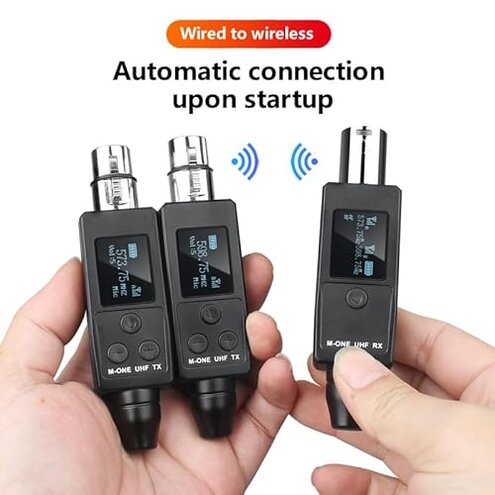
Why does the signal drop during important events?
Regret moment: Buyers report losing audio mid-performance, forcing quick changes or cutouts.
Pattern: This is a commonly reported issue that appears repeatedly across user feedback.
When it shows up: Drops occur during live use, especially in crowded RF environments or when distance increases.
Category contrast: More disruptive than most mid-range systems because these dropouts often need immediate manual fixes.
Is setup more complicated than advertised?
- Early sign: You must adjust channel selection and placement before the first gig to avoid overlap.
- Frequency tier: This is a primary issue for new users and appears repeatedly in setup reports.
- Likely cause: Limited guidance and non-intuitive pairing increases initial setup time and errors.
- Impact: Setup time often exceeds expectations, adding extra rehearsal and soundcheck minutes.
- Attempted fixes: Users report temporary improvement after manual channel scans and repositioning.
Why is the audio sometimes noisy or thin?
- Primary sign: Intermittent hiss or thin tone during speech or instrument use.
- Pattern: This is a secondary issue—not universal but persistent in several setups.
- When it appears: Noticeable after setup or during long sessions when battery drops.
- Root cause: Possible gain staging, grounding, or compression/processing in the wireless link.
- Impact: Reduces clarity and requires EQ or re-routing at the mixer to recover natural sound.
- Fixability: Often mitigated by changing gain, switching mics, or using different channels.
- Hidden requirement: Expect to spend time on gain and grounding tweaks; this is not plug-and-play for precise audio work.
Can battery and charging be trusted for long shows?
- Early sign: Reports of shorter-than-advertised runtime during multi-hour events.
- Pattern: This is a primary issue mentioned by those using the system for long shifts.
- When it worsens: Problems appear on long sessions and with repeated daily use.
- Scope signal: Seen across multiple buyer notes and setup videos after several uses.
- Impact: Unexpected downtime or the need to swap units mid-event.
- Attempts: Users tried external power and spare units to avoid failure during shows.
- Category contrast: More upkeep than most mid-range options, which often offer clearer battery indicators or hot-swap options.
- Hidden need: Buying spare power or extra units is commonly required for reliable long-term use.
Illustrative excerpts (not real quotes)
Illustrative excerpt: "Signal dropped mid-song, had to switch to wired mic immediately." — Primary
Explanation: This reflects a primary pattern seen during live performances.
Illustrative excerpt: "Setup needed many scans and repositioning before soundcheck worked." — Secondary
Explanation: This reflects a secondary pattern tied to initial configuration effort.
Illustrative excerpt: "Battery said full but died after two hours into event." — Primary
Explanation: This reflects a primary pattern for long-session users.
Who should avoid this
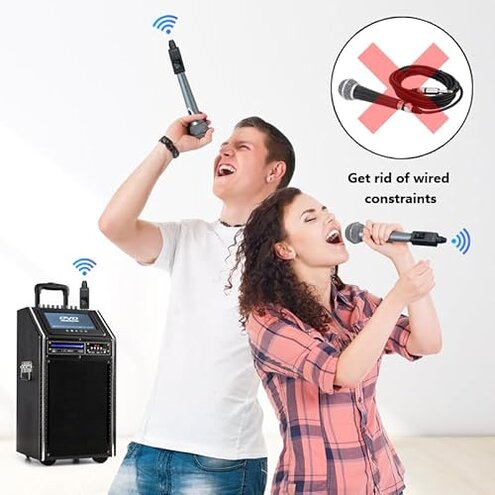
- Live performers who cannot tolerate mid-show dropouts or instant failover.
- Event rentals needing predictable battery life and minimal setup time between acts.
- Sound pros demanding plug-and-play clarity without manual gain or grounding adjustments.
Who this is actually good for
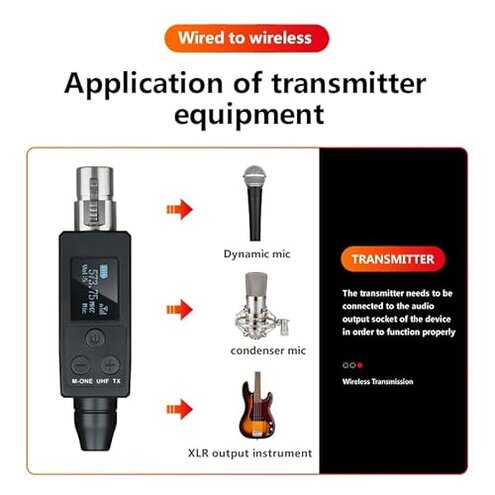
- Hobbyists willing to tolerate occasional dropouts and who have spare time for setup tweaks.
- Practice rooms where short-range use and troubleshooting between runs are acceptable.
- Budget-conscious users who will accept extra maintenance and carry spare batteries to save cost.
Expectation vs reality
Expectation (reasonable for category): Mid-range wireless systems should deliver stable audio for short gigs.
Reality: This unit often shows dropouts and artifacts that interrupt live performance and require manual fixes.
Expectation: Battery life should match advertised runtime in routine use.
Reality: Buyers report inconsistent battery behavior, forcing extra spares or mid-event swaps.
Safer alternatives
- Prioritize tested stability: Choose systems with verified live-use reports to avoid the dropout failure.
- Look for clear battery indicators: Pick products with hot-swap or user-replaceable batteries to neutralize runtime risk.
- Prefer simpler pairing: Buy models with one-button syncing to reduce setup time and hidden channel work.
- Check RF planning guides: Use systems with documented channel planning to avoid interference in crowded venues.
- Budget for spares: If buying this unit, plan to purchase extra transmitters or power packs for events.
The bottom line
Main regret: Unreliable connectivity dropouts during live use are the core failure buyers report.
Why it matters: These dropouts and setup complexity exceed normal mid-range risk and create immediate on-stage failure.
Verdict: Avoid this product for critical live audio; consider it only for non-critical or practice use with prepared backups.
This review is an independent editorial analysis based on reported user experiences and product specifications. NegReview.com does not sell products.