
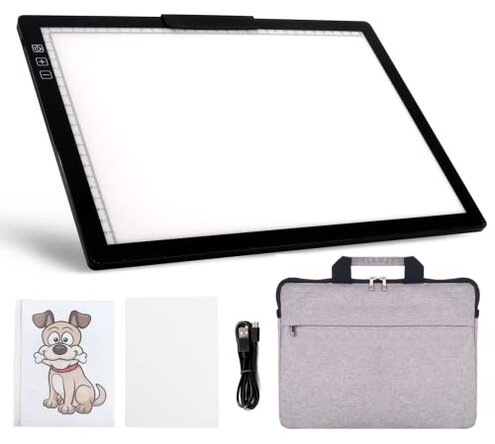
Data basis This report summarizes dozens of buyer comments gathered from written ratings and short video-style demonstrations collected from 2023 to 2026. Most feedback came from written reviews, with supporting signals from visual setup and use clips that helped confirm how the light pad performs during real tracing and diamond painting sessions.
| Buyer outcome | YINGWOND pad | Typical mid-range alternative |
|---|---|---|
| Brightness comfort | Mixed risk because dimness complaints are a primary frustration during thicker-paper tracing. | More predictable brightness for common tracing tasks. |
| Battery convenience | Higher risk if you expect cordless use to stay consistent through longer sessions. | Usually steadier for moderate hobby use. |
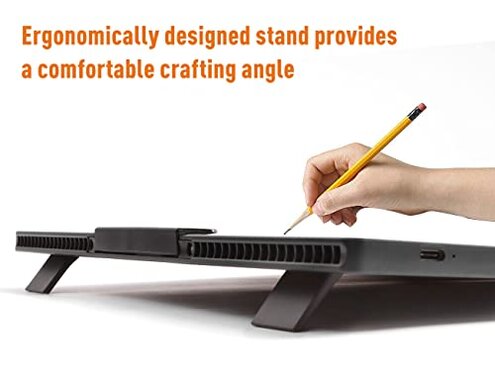
| Stand usability | Extra adjustment can be needed before it feels comfortable. | Less fussy setup in daily use. |
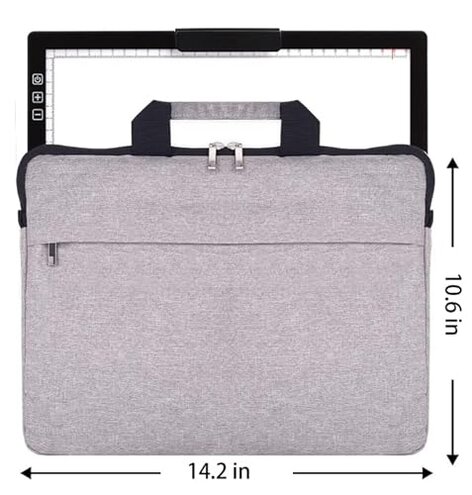
| Portability value | Better on paper because the case helps, but that does not remove power and brightness trade-offs. | Simpler trade-off with fewer bundled extras. |
| Regret trigger | Buying for wireless convenience and then using it in longer or brighter sessions. | Usually buying for basic reliability, not bundled accessories. |
Need a light pad that actually looks bright enough when you start tracing?
Primary issue for hesitant buyers is that the pad can feel less bright than expected once you move past thin paper. That regret shows up during actual tracing, not just during first unboxing, and it is more disruptive than expected for this category.
Pattern appears repeatedly in buyer feedback, though it is not universal. Compared with a typical mid-range tracing pad, this one seems less forgiving when room lighting is bright or the artwork is harder to see through.
- Early sign shows up on first use when users test it with tracing pages and need to raise brightness quickly.
- Frequency tier places this among the most common complaints, especially from buyers expecting stronger illumination for art work.
- Usage moment gets worse during daytime use or when tracing lines through less transparent sheets.
- Impact is extra eye strain and slower work because users have to reposition paper or move to a darker room.
- Category contrast matters because some dimness is normal in slim pads, but this sounds more limiting than most mid-range alternatives.
Buying it for cordless use, then reaching for the cable anyway?
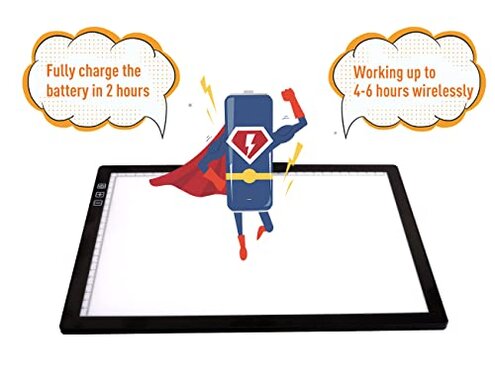
- Primary frustration is battery confidence, because portable use is a selling point and that makes short or inconsistent runtime feel more disappointing.
- Pattern statement is persistent rather than universal, with complaints centering on real sessions instead of quick testing.
- When it hits is during longer crafting time, especially when brighter settings are needed for visibility.
- Why it stings is that a light pad in this price area should feel easier to use away from an outlet.
- Trade-off becomes obvious after setup, when the buyer realizes the wireless feature may not remove cable planning as much as expected.
- Fixability is limited, because lowering brightness may extend use but also weakens visibility for the same task.
- Hidden requirement is staying near charging access if your hobby sessions often run long.
Expecting the stand and extras to make sessions easier, but they add setup fuss?
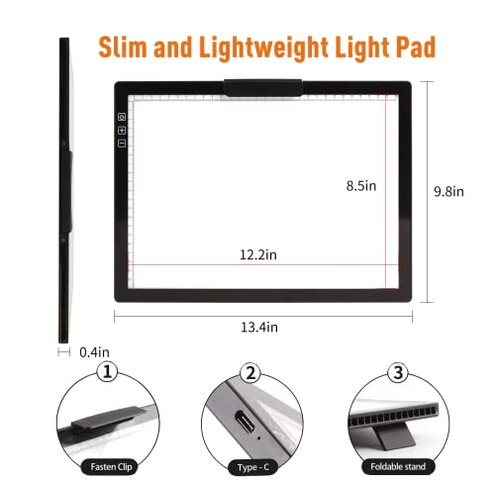
Secondary issue is that the bundled case, stand, and accessories look helpful, yet daily use can still feel fiddly. This is less frequent than brightness complaints, but more frustrating when it interrupts a hobby session.
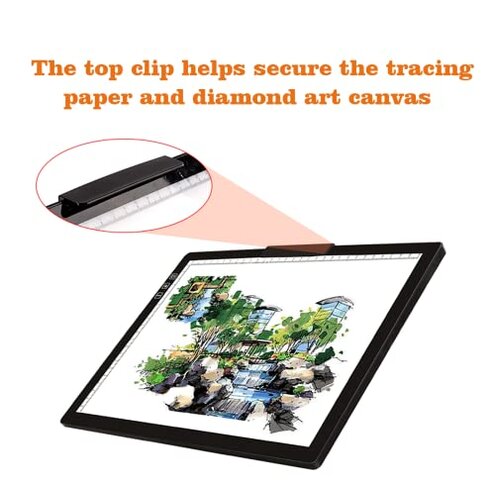
Context matters here: the annoyance appears after setup, when buyers start adjusting angles, clipping pages, and trying to keep everything stable. A typical mid-range alternative may include fewer extras, but often asks for less adjustment once work begins.
- Setup friction appears when switching between storage, angled use, and flat use.
- Real impact is not major failure, but extra steps before you can start tracing comfortably.
- Repeat pattern seems recurring among buyers who expected a smoother all-in-one desk setup.
- Worsens during frequent short sessions, because repeated repositioning feels less worth the effort.
Thinking the included case means better long-term value?
- Secondary risk is value mismatch, where the bundle looks richer than a plain light pad but the core experience does not always feel upgraded.
- Pattern shows up across multiple feedback types, with buyers appreciating the case yet still focusing on lighting and power limits.
- When noticed is usually after the first few uses, once the novelty of included extras fades.
- Buyer impact is a sense that money went toward add-ons instead of stronger core performance.
- Category baseline says accessories are nice, but dependable brightness and easier cordless use usually matter more.
- Hidden trade-off is paying for portability features that may not solve the main work-session frustrations.
Illustrative excerpt: “I need the room darker than expected just to see lines clearly.” Primary pattern reflecting the common brightness complaint.
Illustrative excerpt: “Wireless sounded great, but I still keep the charging cable nearby.” Primary pattern reflecting battery convenience disappointment.
Illustrative excerpt: “The extras are nice, but setup feels fussier than my old board.” Secondary pattern reflecting accessory friction.
Illustrative excerpt: “It works better for quick projects than long evening sessions.” Secondary pattern reflecting battery and comfort limits.
Who should avoid this
- Skip it if you trace through harder-to-see pages and need strong brightness in normal room lighting.
- Avoid it if cordless use is your main reason for buying, because that risk appears higher than normal for this category.
- Pass if you want a simple tool with minimal setup fuss between storage and active use.
- Look elsewhere if bundled accessories do not matter to you and you care more about core light performance.
Who this is actually good for
- Fine fit for buyers doing short tracing sessions who can recharge often and work near power when needed.
- Better match for users who value the carrying case and travel convenience more than top-tier brightness.
- Usable choice for light hobby work on thinner paper where maximum illumination is less critical.
- Reasonable option if you accept occasional setup fiddling in exchange for an included stand and accessories.
Expectation vs reality
Expectation: a rechargeable light pad should feel freeing for normal hobby sessions.
Reality: the cordless benefit can shrink during brighter or longer use, which is worse than many shoppers reasonably expect for this category.
- Expectation: six brightness levels should cover most tracing needs.
- Reality: buyers commonly report that maximum brightness can still feel limited in real rooms and with tougher pages.
- Expectation: included extras should reduce hassle.
- Reality: the accessories add value mainly if you truly use them, not if you just want stronger core performance.
Safer alternatives
- Choose higher output by prioritizing a light pad known for stronger maximum brightness if you trace through thicker or darker sheets.
- Pick corded-first if long sessions matter more than portability, because that directly avoids the wireless disappointment risk.
- Favor simpler designs if you dislike setup friction, since fewer moving parts can mean faster daily use.
- Shop by core use instead of bundle size, and compare brightness and runtime before paying extra for cases or bonus sheets.
The bottom line
Main regret trigger is paying for rechargeable convenience and bundled extras, then finding the core lighting and cordless experience less dependable than expected. That exceeds normal category risk because brightness and battery performance matter more than accessories on a tracing pad. Verdict: avoid this one if visibility and wireless reliability are your top priorities, and treat it as a niche fit for lighter, shorter hobby use.
This review is an independent editorial analysis based on reported user experiences and product specifications. NegReview.com does not sell products.