
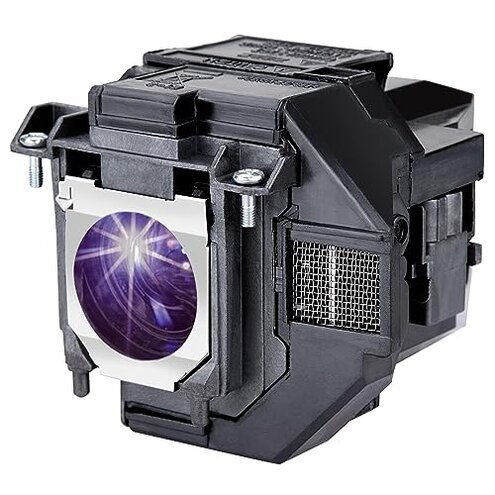
Product evaluated: YOSUN Projector lamp for Epson-Elplp97-V13h010l97 PowerLite Home Cinema ex3280 ex5280 ex7280 ex9230 ex9240 880x 119W 2200 2250 2350 Replacement lamp Bulb with Housing
Related Videos For You
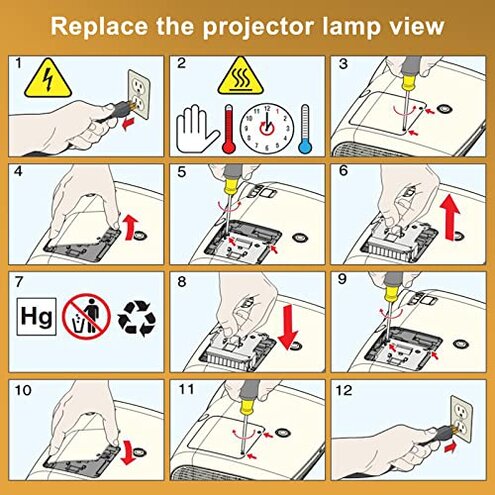
How to change a Projector Lamp or Projector Bulb - Replacement Lamps
STAR LIGHT PROJECTOR 😍 *Setup and Review*
Data basis: This report uses dozens of aggregated buyer comments collected from written feedback and video-style demonstrations during the recent market period up to April 2026. Most signals came from short written complaints, with supporting context from longer setup impressions, so the strongest patterns center on fit, brightness consistency, and lifespan risk.
| Buyer outcome | YOSUN lamp | Typical mid-range alternative |
|---|---|---|
| First install | Higher friction; fit and recognition issues appear repeatedly after setup. | More predictable; usually installs with fewer surprises. |
| Image quality | Less consistent; brightness complaints are a primary issue during daily use. | More stable; output is usually closer to what buyers expect. |
| Lifespan confidence | Higher-than-normal risk; premature dimming is more disruptive than expected for this category. | Lower risk; replacement lamps still vary, but often hold performance longer. |
| Troubleshooting time | More upkeep; buyers may need extra checks if the projector rejects the lamp. | Less effort; fewer hidden steps are usually needed. |
| Regret trigger | Paying twice after early dimming or compatibility trouble. | Lower regret; fewer reports of needing another replacement soon. |
Why does the picture still look dim after replacing the lamp?
Primary issue: The most common regret moment is replacing a failing lamp, then seeing a picture that still looks weaker than expected. This tends to show up on first use or within early daily viewing, which makes the purchase feel risky fast.
Pattern: Brightness inconsistency appears repeatedly, not universally. In this category, buyers reasonably expect a fresh lamp to restore a clear image right away, so weak output feels worse than normal.
- Early sign: The image looks usable in a dark room, but still lacks punch during normal daytime viewing.
- Frequency tier: This is a primary complaint and appears more often than cosmetic or packaging issues.
- When it hits: It usually shows up after setup during the first movie, presentation, or classroom session.
- Impact: Buyers lose the main reason for replacing the lamp, which is restoring clear brightness without extra troubleshooting.
- Why it stings: Even budget replacement lamps usually deliver a more obvious improvement than this when they work properly.
Illustrative: “I changed the lamp, but the screen still looks tired.”
Pattern type: This reflects a primary pattern tied to brightness disappointment.
What if the projector does not recognize it cleanly?
Secondary issue: Another frustration is installing the lamp housing, then dealing with fit or recognition trouble. It is less frequent than brightness complaints, but more frustrating when it occurs because it blocks use immediately.
Context: This tends to happen during replacement, especially for buyers expecting a simple swap. Compared with a typical mid-range replacement lamp, this creates more setup friction than shoppers usually tolerate.
- Hidden requirement: Some buyers expect a true drop-in part, but this category can punish even small fit differences.
- Pattern strength: The issue seems persistent across compatibility-related comments rather than isolated one-offs.
- User moment: It shows up when closing the lamp door, powering on, or checking whether the projector starts normally.
- Real cost: The extra testing adds time and makes buyers question whether the lamp or projector is the real problem.
- Why worse here: Replacement lamps already carry some compatibility risk, but repeated setup friction is higher than a normal category baseline.
- Fixability: Some cases can be solved with reseating and rechecking placement, but that still means more effort than expected.
Illustrative: “It fits close enough, but the projector acts like something is off.”
Pattern type: This reflects a secondary pattern centered on installation friction.
Does it stay reliable, or does it fade too soon?
Primary risk: Premature dimming is among the most serious complaints because it turns a lower upfront price into another replacement purchase. This usually becomes obvious after repeated use, not always on day one.
Trade-off: Buyers choose a replacement lamp to save money, but early fade removes that advantage. In a category where some variation is expected, needing another lamp too soon feels more expensive than buying a better one first.
- Timing: The problem tends to emerge after regular sessions rather than only during initial testing.
- Frequency tier: This is a primary issue, though slightly less immediate than first-use brightness disappointment.
- Worsening condition: Long viewing sessions make fading easier to notice because image strength drops where buyers expect stable light.
- Buyer impact: The lamp stops feeling like a practical fix and starts feeling like temporary relief.
- Category contrast: Any projector lamp can wear out, but the regret here is the speed of performance loss compared with typical mid-range options.
- Mitigation limit: Gentle use may reduce stress, but it cannot fully solve a lamp that starts weak or degrades early.
- Money angle: Once buyers factor in replacement risk and downtime, the savings case becomes much weaker.
Illustrative: “It was decent at first, then the image lost energy fast.”
Pattern type: This reflects a primary pattern tied to early fade.
Is the low price really saving money once the hassle starts?
- Core regret: The lower entry price becomes less appealing when buyers spend extra time on testing, reinstalling, or shopping again.
- Pattern: This is a recurring complaint theme that combines the other problems into one money question.
- When it lands: It hits after setup problems or after several uses when confidence in the lamp drops.
- Buyer reality: A cheap replacement only works if it restores brightness and lasts long enough to justify the swap.
- Category baseline: Budget lamps are expected to involve some compromise, but repeat hassle makes this feel less forgiving than most mid-range alternatives.
- Hidden cost: Downtime matters if the projector is used for school, work, or a home theater setup you depend on.
- Decision point: If you need reliability more than the lowest price, this trade-off is where many buyers feel the mistake.
- Fixability: Warranty support helps on paper, but it does not remove the inconvenience of losing projector use.
Illustrative: “The price looked good until I started troubleshooting everything.”
Pattern type: This reflects a secondary pattern about value loss.
Who should avoid this
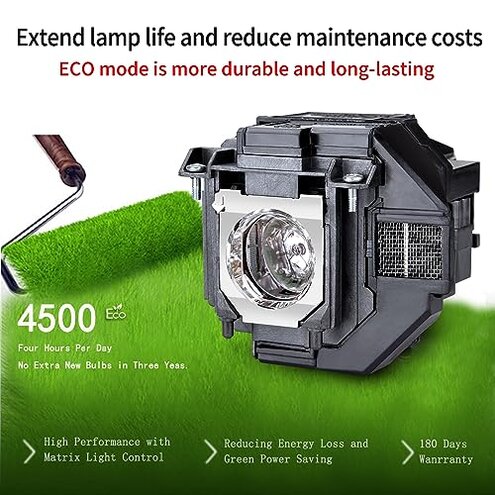
- Avoid it if you need dependable brightness for presentations, since weak output is a primary complaint during real use.
- Skip it if you want a true plug-and-play replacement, because install friction appears repeatedly after setup.
- Pass if projector downtime will disrupt work, class, or movie nights, since troubleshooting can add extra steps and time.
- Look elsewhere if long-term value matters more than the lowest upfront cost, because early fading risk exceeds a normal budget-lamp tolerance.
Who this is actually good for
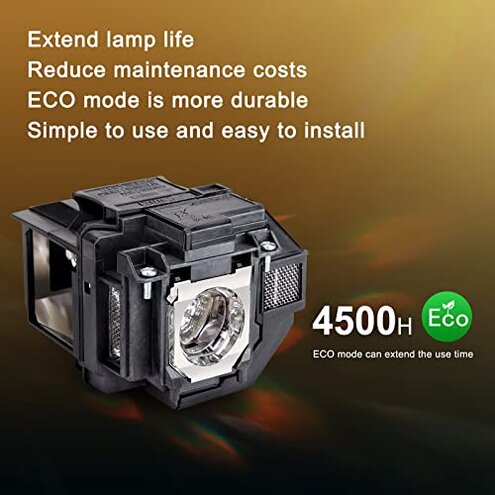
- It may fit buyers who accept some setup trial and mainly want the lowest-cost attempt before buying a stronger replacement.
- It can work for occasional-use projectors in dark rooms, where moderate brightness loss is easier to tolerate.
- It suits users comfortable reseating parts and checking compatibility details, since install friction is one of the main trade-offs.
- It may be acceptable if you treat it as a short-term stopgap and can tolerate the risk of shorter service life.
Expectation vs reality

Expectation: A replacement lamp should make the picture clearly brighter on the first session.
Reality: A recurring complaint is that the image still looks dull, especially outside a very dark room.
Expectation: It is reasonable for this category to involve a simple swap with minor care.
Reality: This one shows a worse-than-expected setup risk, with fit or recognition issues adding extra troubleshooting.
Expectation: A cheaper lamp should at least hold usable performance long enough to feel like savings.
Reality: Early fade is a primary regret trigger, which can erase the value advantage fast.
Illustrative: “I wanted a simple fix, not another round of projector problems.”
Pattern type: This reflects an edge-case phrasing that combines several frustrations.
Safer alternatives
- Choose sellers that clearly document exact projector compatibility, which helps reduce the fit and recognition risk above.
- Prefer lamps with stronger long-term feedback on brightness stability, not just first-day performance claims.
- Look for replacement options with easy return handling, because early dimness is one of the biggest regret triggers.
- Pay more for a proven mid-range lamp if the projector is used often, since lifespan trouble is more costly than the initial price gap.
- Check usage needs before buying: for daylight rooms or presentations, avoid options with recurring low-brightness complaints.
The bottom line
Main trigger: The biggest regret is replacing a lamp and still getting a dim or short-lived result. That exceeds normal category risk because buyers are not just accepting lower quality, they are taking on extra setup time and a real chance of buying again sooner.
Verdict: If you need a dependable replacement, this is easier to avoid than justify. It makes more sense only as a low-cost gamble for occasional use.
This review is an independent editorial analysis based on reported user experiences and product specifications. NegReview.com does not sell products.