
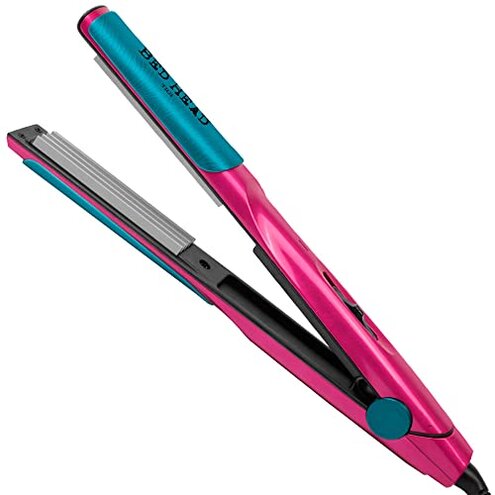
Product evaluated: Bed Head Little Tease Hair Crimper | Small Texture, Pumped-Up Volume, & Extra Shine | Crimper Hair Tool with Tourmaline Ceramic Coating for Less Damage (1 in)
Related Videos For You
Do You Ever Use Crimping? #asmr #crimpedhair #crimping #haircare
Root Crimping Tutorial For Lots of Volume!
Data basis: This report uses dozens of buyer comments gathered from written feedback and video-style demonstrations collected from 2024 to 2026. Most input came from written reviews, with added context from short visual use clips, which helps separate first-use excitement from repeated-use frustration.
| Buyer outcome | Bed Head Little Tease | Typical mid-range alternative |
|---|---|---|
| Root lift | High impact when it works, but less forgiving near the scalp | More even lift with fewer visible texture mistakes |
| Learning curve | Higher than normal category risk during first uses | Moderate and usually easier to control |
| Daily styling time | Longer if you need to hide crimp marks or redo sections | Shorter because results are usually easier to blend |
| Hair finish | Mixed results, especially if you expect smooth volume | More natural looking texture for casual daily wear |
| Regret trigger | Obvious crimping instead of subtle volume after setup and styling | Lower risk of visible pattern showing through top layers |
Do you want volume, but not obvious crimp marks?
This is the primary issue and among the most common complaints. The regret moment shows up during daily use, when the tool adds visible texture that can look more like a throwback crimp style than hidden lift.
The trade-off is simple: it can create big root volume, but the finish is less subtle than many buyers expect. Compared with a typical mid-range crimper, it feels less forgiving because small placement mistakes are easier to see.
- Pattern: This issue appears repeatedly, especially from buyers wanting natural-looking fullness.
- When it hits: It shows up after styling, once the top layer settles and the pattern still peeks through.
- Why it frustrates: The tool is made for small texture, but that texture can read as obvious crimping on finer hair.
- Impact: You may need extra blending, teasing, or sectioning to make the result look less patterned.
- Category contrast: Crimpers always add texture, but this feels more visible than expected for buyers who only want hidden lift.
Are you expecting easy first-use results?
- Frequency tier: This is a primary issue, though not universal.
- Early sign: First attempts can produce uneven sections if you place the plates too close to visible hair.
- Usage moment: The problem is strongest during setup of your sectioning routine and hand placement.
- Hidden requirement: You often need careful layering underneath the top hair, not just a quick pass near the roots.
- Time cost: That adds extra steps compared with simpler hot tools meant for general volume.
- Fixability: Practice helps, but the tool remains less intuitive than typical beginner-friendly options.
- Category contrast: Some learning is normal here, but this can feel more disruptive than expected if you bought it for fast weekday styling.
Illustrative excerpt: “I wanted lift, not a zig-zag pattern showing through.”
Pattern note: This reflects a primary pattern.
Illustrative excerpt: “It works, but only when I hide it under enough hair.”
Pattern note: This reflects a primary pattern.
Will it fit a quick everyday routine?
This is a secondary issue, but it becomes more frustrating with repeated use. The problem shows up on busy mornings, when you need reliable volume without extra cleanup or reworking sections.
What buyers notice is not just styling time, but correction time. Against a reasonable category baseline, it asks for more patience because placement accuracy matters more than with more forgiving volume tools.
- Recurring pattern: This complaint is persistent among buyers using it for regular styling instead of occasional looks.
- Worsens when: It gets harder during long sessions or thicker hair routines that need many sections.
- Cause: Small plates can mean more passes to cover enough area for consistent lift.
- Buyer impact: More passes create more time and more chances for mismatched texture.
- Common attempt: Users often try smaller sections and extra brushing to soften the finish.
- Result: That can help, but it adds effort instead of simplifying the routine.
- Category contrast: A crimper is never the fastest tool, yet this can feel slower than typical for buyers chasing subtle root volume only.
Illustrative excerpt: “By the time it looked right, I had done double the work.”
Pattern note: This reflects a secondary pattern.
Is the heat range enough to make it universally easy?
- Frequency tier: This is a secondary issue that appears across different hair types.
- Usage context: It shows up during first use when buyers expect one setting approach to work quickly.
- Why it happens: High heat can create strong texture fast, but that does not always equal polished volume.
- For some hair: Finer or easily marked hair can show stronger imprint than desired.
- For other hair: Heavier hair may still need careful repetition and strategic placement for lift to last.
- Fix attempt: Users often experiment with multiple heat settings and shorter clamp times.
- Limit: That helps somewhat, but it does not remove the tool’s visible texture bias.
- Category contrast: Heat flexibility is expected, yet this feels less universally adaptable than many mid-range tools marketed for all hair types.
Illustrative excerpt: “It gave volume, but the texture was way stronger than I expected.”
Pattern note: This reflects a secondary pattern.
Illustrative excerpt: “Good for dramatic lift, not my normal everyday hair.”
Pattern note: This reflects an edge-case to secondary crossover pattern.
Who should avoid this

- Avoid it if you want natural volume with little chance of visible crimp marks.
- Skip it if your routine needs fast styling before work or school.
- Look elsewhere if you dislike tools with a practice curve and hidden sectioning requirements.
- Pass on it if your hair easily shows texture and you expect smooth lift instead.
Who this is actually good for
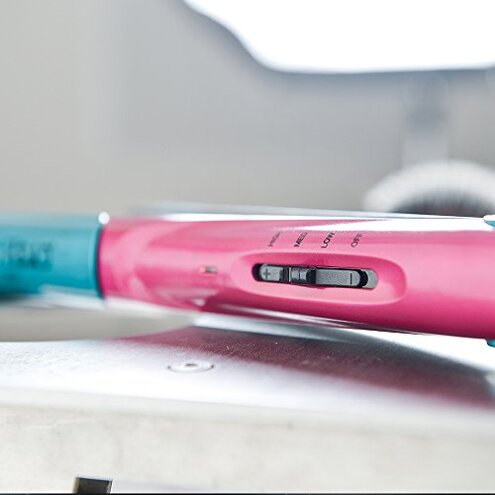
- It fits buyers who want dramatic root lift and accept visible texture as part of the look.
- It suits occasional styling where extra setup time is acceptable.
- It works better for users already comfortable with underlayer sectioning and blending techniques.
- It can make sense if you want a specific crimped-volume effect, not a smooth salon blowout look.
Expectation vs reality
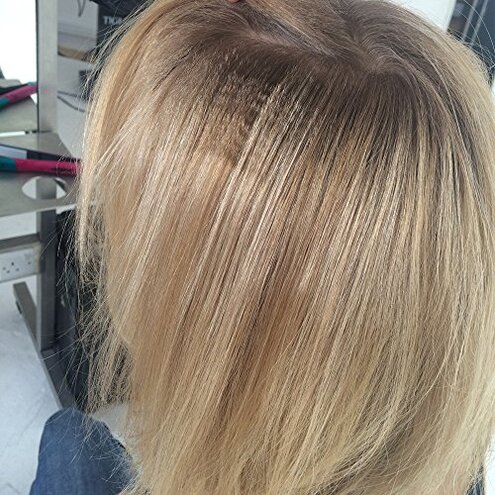
Expectation: A small crimper should give hidden lift with manageable texture.
Reality: This one can create more visible pattern than some buyers expect, especially near the scalp.
Expectation: “All hair types” suggests easy adaptation.
Reality: Adjustment is possible, but results still depend heavily on hair type, sectioning, and placement skill.
Expectation: A reasonable category expectation is some learning, not a major routine change.
Reality: Here, the hidden need for careful underlayers can feel worse than expected for casual users.
Safer alternatives
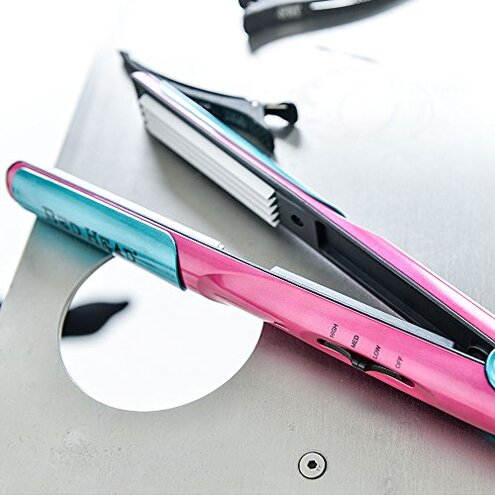
- Choose a volume tool designed for smoother lift if visible texture is your main worry.
- Prioritize wider plates if you need faster coverage and fewer passes on thicker hair.
- Look for beginner-friendly controls if you want less trial and error during first use.
- Watch real-use demos focused on fine hair or hidden root volume, not dramatic styling shots.
- Buy only if you are comfortable doing underlayer sectioning, because that directly reduces visible crimp regret.
The bottom line

The main regret trigger is buying this for subtle everyday volume and getting obvious texture instead. That exceeds normal category risk because the styling effort and placement precision are higher than many buyers expect from a mid-range crimper. Avoid it if you want natural-looking lift with little practice, but consider it if bold root volume matters more than a smooth finish.
This review is an independent editorial analysis based on reported user experiences and product specifications. NegReview.com does not sell products.