
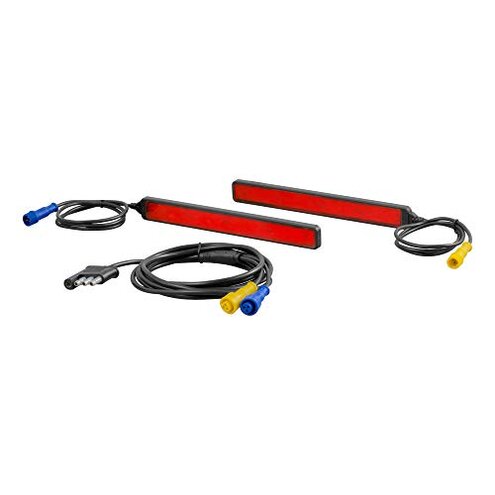
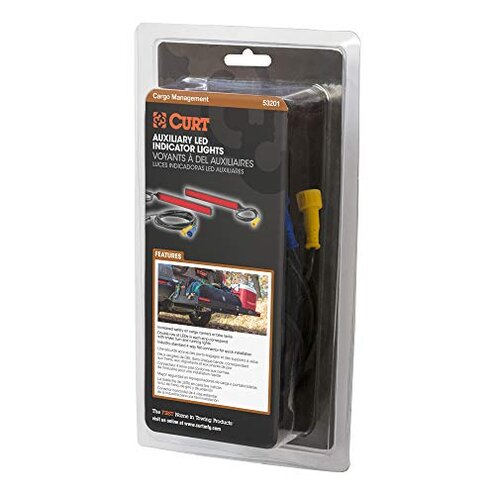
Product evaluated: CURT 53201 Auxiliary Automotive LED Light Strips for Hitch Cargo Carrier, Bike Rack, 2-Pack
Related Videos For You
How to Install a Cargo Carrier with Lights | Mockins Setup
LED light bar on a Thule Bike Rack adding turn, stop, running and emergency lighting.
Data basis: This report summarizes dozens of buyer feedback signals collected from written ratings, short comments, and video-style demonstrations from 2020 to 2026. Most feedback came from written reviews, with added context from visual install walk-throughs, which helps show whether problems appear during setup or after real road use.
| Buyer outcome | CURT light strips | Typical mid-range alternative |
|---|---|---|
| Setup effort | Higher risk of extra routing, placement, and surface-prep steps before first use. | Moderate setup effort, often more forgiving during placement. |
| Attachment security | Higher-than-normal category risk if mounted on surfaces that see weather, dust, or repeated loading. | Typical adhesive or bracket hold if install conditions are average. |
| Daily confidence | Mixed confidence once mounted, especially when racks or carriers are moved often. | More consistent confidence for buyers who remove accessories less carefully. |
| Compatibility ease | Basic plug match is simple, but real-world fit and wire management add friction. | Usually easier fitment with fewer hidden install decisions. |
| Regret trigger | Most regret starts when “easy stick-on lights” turn into extra troubleshooting after setup. | Lower regret if buyer expects standard install effort. |
Why does a simple light upgrade turn into extra setup work?
Primary issue: install friction appears repeatedly, and it is among the most common complaints for this type of add-on light kit. The regret moment usually starts on first setup, when buyers expect a quick stick-on job and run into wire routing, left-right placement, and surface-prep decisions.
Worse than normal: adhesive light kits already need some prep, but this setup seems less forgiving than a typical mid-range option. That matters because the product is sold on convenience, so extra install time feels more frustrating than expected.
- Early sign: the job stops feeling simple once you start planning wire paths across a carrier or rack.
- Pattern: this is a recurring complaint, not a one-off, especially during first installation.
- Hidden requirement: buyers often need a cleaner, flatter mounting area than they expected for a reliable hold.
- Impact: setup can take extra time because placement mistakes are annoying to correct after sticking the strips down.
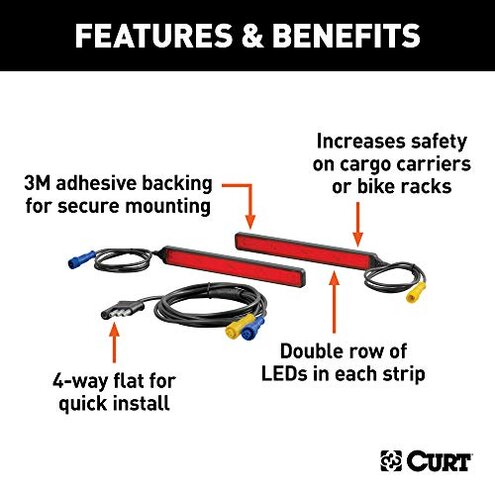
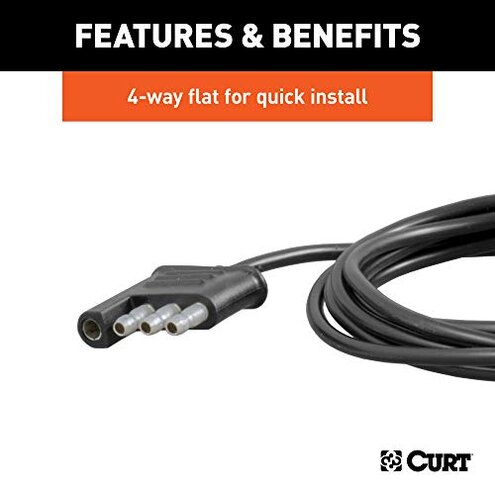
- Cause: the product includes adhesive-backed strips and a 4-way flat connection, but not every hitch accessory gives an easy mounting path.
- Fixability: patient installers can reduce frustration, but the product is less plug-and-play than the listing language suggests.
Do the strips stay put once the rack or carrier is in real use?
Primary issue: attachment security is another persistent concern, and it is more disruptive than expected for this category because these lights are exposed to weather and movement. The problem tends to show up after setup, once the accessory starts seeing road vibration, dust, or frequent loading.
- Frequency tier: this is a primary complaint, just behind setup friction in buyer frustration.
- Usage moment: trouble shows up during regular driving or after repeated handling of the rack or carrier.
- Why worse: most mid-range alternatives still depend on good prep, but this type of stick-on setup feels less forgiving if the surface is textured or dirty.
- Buyer impact: once adhesion becomes questionable, confidence in brake and signal visibility drops fast.
- Attempts: some buyers try re-pressing or re-positioning, which adds more effort than expected after installation seemed finished.
- Not universal: buyers with very clean, flat mounting spots tend to have fewer issues.
- Regret point: the inconvenience feels bigger because the product’s whole purpose is safety, not cosmetic lighting.
Why can a standard plug still feel less convenient than expected?
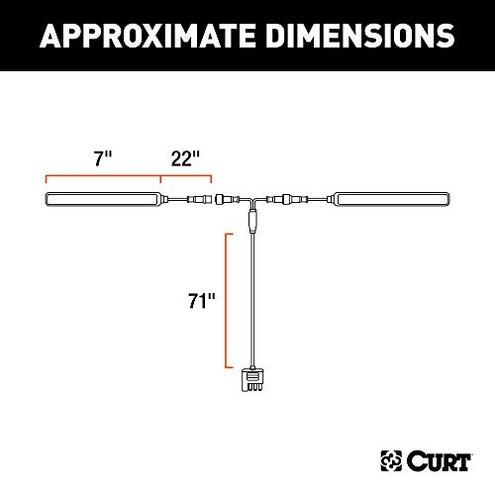
Secondary issue: compatibility is not usually about the 4-way flat plug itself, but about how the full setup works on a specific rack, carrier, or trailer. This appears repeatedly across mixed feedback and becomes noticeable when buyers realize “fits the connector” is not the same as “fits cleanly.”
Category contrast: for this category, a standard connector should remove most uncertainty. Here, the connector is simple, but the real-world mounting and cable management can still create a more frustrating install than a typical mid-range kit.
When it worsens: this gets worse on accessories with awkward bar shapes, limited flat space, or longer routing paths. Buyers who switch accessories or remove them often feel the hassle more.
- Scope: this is a secondary pattern rather than the top complaint.
- Visible problem: wires and strip placement can feel improvised instead of tidy.
- Hidden cost: buyers may need extra planning or securing steps not obvious before purchase.
- Fixability: careful measuring helps, but it does not fully remove accessory-specific fit issues.
Does the safety benefit hold up if you use the rack often?
- Primary concern: durability confidence is less frequent than install complaints, but more frustrating when it occurs because the whole point is safer visibility.
- When noticed: it tends to matter after repeated use, especially if the hitch accessory is loaded, unloaded, or stored often.
- Context: daily or frequent users feel this more than occasional trip users.
- Category baseline: auxiliary lights should be low-drama once installed, so any need for rechecking feels worse than normal.
- Buyer trade-off: the kit can improve visibility, but some buyers dislike the added need to monitor placement and attachment.
- Not universal: light-duty users with stable mounting surfaces report fewer headaches.
- Real regret: safety accessories create outsized disappointment when they need extra attention.
Illustrative: “I thought this would be a quick stick-on upgrade.”
Pattern: This reflects a primary setup-friction complaint.
Illustrative: “The plug fit, but routing everything cleanly took way longer.”
Pattern: This reflects a secondary compatibility-and-layout complaint.
Illustrative: “Looked fine at first, then I started doubting the mounting.”
Pattern: This reflects a primary attachment-security complaint.
Illustrative: “Good idea, but not as low-maintenance as I expected.”
Pattern: This reflects a secondary durability-confidence complaint.
Who should avoid this
- Avoid this if you want a truly quick install with little planning, because setup friction appears repeatedly on first use.
- Avoid this if your rack or carrier has limited flat mounting space, since attachment security feels less forgiving than normal.
- Avoid this if you remove and reinstall accessories often, because wire management and mounting confidence can become an ongoing hassle.
- Avoid this if you want a fit-and-forget safety add-on, since repeated checking can exceed normal category tolerance.
Who this is actually good for
- Good fit for buyers with a clean, flat cargo carrier surface who can take time with prep and placement.
- Good fit for occasional users who do not remove the accessory often and can tolerate extra setup effort once.
- Good fit for shoppers who mainly need basic added visibility and accept that adhesive mounting needs careful installation.
- Good fit for hands-on buyers comfortable routing wires neatly and checking the setup before trips.
Expectation vs reality
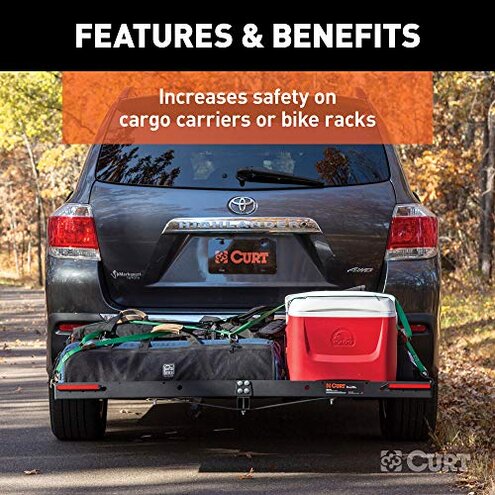
Expectation: a reasonable category expectation is that adhesive light strips save time versus more involved lighting kits.
Reality: here, buyers commonly run into enough prep, routing, and placement work that the convenience advantage feels smaller than expected.
- Expectation: a standard 4-way flat plug should make the job feel simple.
- Reality: the plug is simple, but clean mounting and wire management still create secondary frustration.
- Expectation: once installed, safety lights should fade into the background.
- Reality: attachment confidence can stay on your mind more than with a more forgiving mid-range alternative.
Safer alternatives
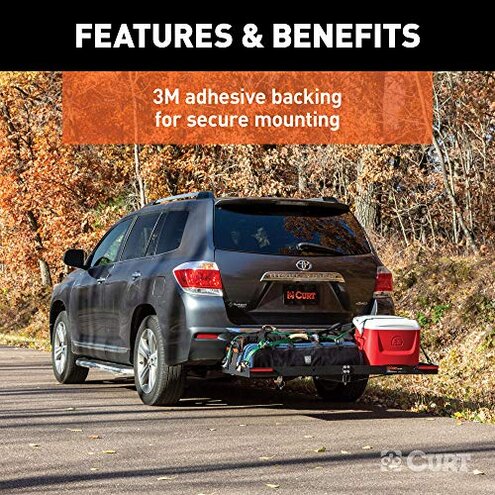
- Choose a kit with more secure mounting hardware if your carrier has textured or uneven surfaces, which directly reduces adhesion-related regret.
- Look for longer, better-managed wiring options if your rack needs extended routing, which helps with the hidden setup burden.
- Prefer systems designed specifically for bike racks or cargo carriers, not generic strips, if you want less accessory-specific improvising.
- Pick a setup that can handle repeated removal better if you swap accessories often, because this product is less forgiving in that use case.
The bottom line
Main trigger: regret usually starts when a simple visibility upgrade turns into extra install work and ongoing mounting doubts. That exceeds normal category risk because buyers choose this kind of light kit for easy safety, not extra troubleshooting. Verdict: skip it if you need a quick, low-maintenance solution or have anything less than an easy, flat mounting surface.
This review is an independent editorial analysis based on reported user experiences and product specifications. NegReview.com does not sell products.