
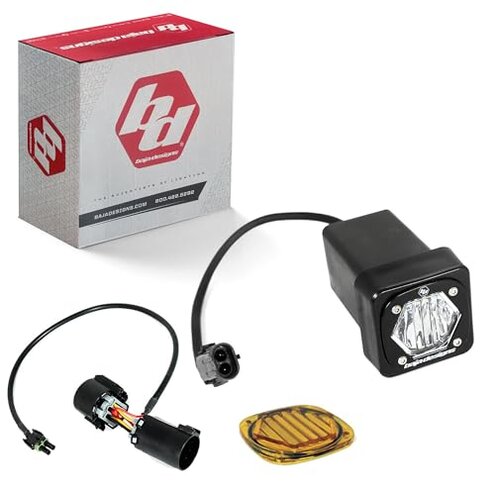
Product evaluated: Baja Designs S1 LED Universal Hitch Light Kit - Universal Fit, Includes Trailer Hitch Harness
Related Videos For You
Installing New Trailer Lights
Trailer Wiring Made Simple: What Every DIYer Should Know
Data basis: This report is based on dozens of buyer comments collected from written feedback and video-style demonstrations between 2023 and 2026. Most feedback came from written owner impressions, with smaller support from install walk-throughs and real-world towing or off-road use clips.
| Buyer outcome | This kit | Typical mid-range alternative |
| Install effort | Higher risk of extra wiring steps after unboxing. | Usually more plug-and-play for basic hitch lighting. |
| Fit confidence | Less forgiving if your vehicle or hitch setup is not straightforward. | More typical universal fit expectations. |
| Daily convenience | Lower if you remove accessories often or swap towing setups. | Better for simpler occasional use. |
| Weather durability | Strong on paper and often better than average. | Adequate for normal road use, usually less rugged. |
| Regret trigger | Paying premium money and still needing extra install time or adaptation. | Accepting lower output but avoiding some setup friction. |
Why does a universal fit still feel like a project?
Primary issue: Install friction appears repeatedly, and it is among the most common complaints for this type of light kit. The regret moment usually happens during first setup, when buyers expect a quick hitch-light add-on and instead run into routing or hookup decisions.
Category contrast: Some wiring effort is normal for vehicle accessories, but this feels more disruptive than expected because the title suggests an easier universal solution.
- Pattern: This is a recurring complaint, not a universal failure.
- When: It shows up right after unboxing, especially before the first test illumination.
- Worsens: It gets more frustrating on vehicles with tighter rear access or non-simple hitch areas.
- Hidden requirement: Buyers often discover they need more planning than expected for cable routing and clean mounting.
- Impact: The extra steps can turn a simple weekend add-on into a longer install than a mid-range alternative.
- Fixability: It is often solvable, but usually by spending more time, not by a quick adjustment.
Why can the premium price sting more if anything feels off?
Primary issue: Value regret is a persistent pattern because the listed price is $183.12, which raises expectations immediately.
During use, the light output and durability claims may still impress, but any fit or setup snag feels larger because buyers expected fewer compromises at this level.
Category contrast: Premium off-road lighting is supposed to trade money for confidence. Here, the trade-off can feel worse than normal when a buyer still has to troubleshoot a basic install path.
Not universal: This is not about the light being weak. It is about small ownership hassles feeling less acceptable because of the price tier.
- Signal: This is a recurring sentiment across value-focused feedback.
- Trigger: It tends to appear after setup, once the buyer compares effort against what they paid.
- Trade-off: You are paying for ruggedness and brand reputation, but not necessarily for the easiest ownership.
- Regret point: Less frequent than install friction, but more frustrating when expectations were very high.
Will the hitch setup stay convenient if you swap gear often?
- Secondary issue: Convenience complaints appear less often than install friction, but they can be more annoying during routine use.
- When: The problem shows up after installation, especially for buyers who frequently add or remove hitch accessories.
- Why it matters: A rear-mounted light sounds simple, but repeated access around the hitch area can become less convenient than expected.
- Worsens: It gets harder to live with when the vehicle does both towing and non-towing duty.
- Category contrast: Basic hitch lights are usually chosen for easy utility, so any repeat-use hassle feels more frequent than the category baseline.
- Impact: What looked like a one-time setup can become an ongoing annoyance in daily or seasonal use.
- Mitigation: It suits buyers who install once and leave it alone far better than people who constantly change rear gear.
Is the rugged design overkill if you only need simple road visibility?
- Secondary issue: This is a persistent mismatch problem rather than a defect pattern.
- When: It usually becomes clear before purchase or right after install, once buyers compare the kit to their actual needs.
- Signal: The product leans hard into off-road, waterproof, and submersible use.
- Trade-off: If you only want an occasional rear utility light, the extra toughness can feel like paying for capability you may never use.
- Category contrast: That mismatch is more expensive than normal because simpler mid-range hitch lighting often covers basic needs with less commitment.
- Impact: Buyers can regret the purchase not because it is weak, but because it is more product than their use case needs.
- Best reading: This is an edge-case issue for off-road users, but a meaningful one for ordinary road drivers.
Illustrative excerpt: “I thought universal meant quick, but routing took way longer.” Primary pattern tied to first-time install friction.
Illustrative excerpt: “The light is strong, but the setup felt too involved.” Primary pattern tied to effort-versus-expectation regret.
Illustrative excerpt: “Nice hardware, but expensive for my simple hitch use.” Secondary pattern tied to value mismatch.
Illustrative excerpt: “Fine once mounted, annoying when I change rear accessories.” Secondary pattern tied to repeat-use convenience.
Who should avoid this
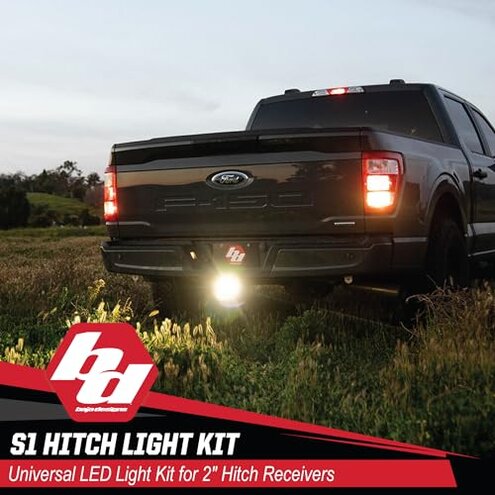
- Avoid it if you want a near plug-and-play hitch light with minimal planning.
- Avoid it if your vehicle has a cramped rear area and you dislike extra wiring decisions.
- Avoid it if you swap bike racks, cargo carriers, or towing gear often and want easy rear access.
- Avoid it if your use is mostly normal road driving and you do not need heavy-duty off-road durability.
Who this is actually good for
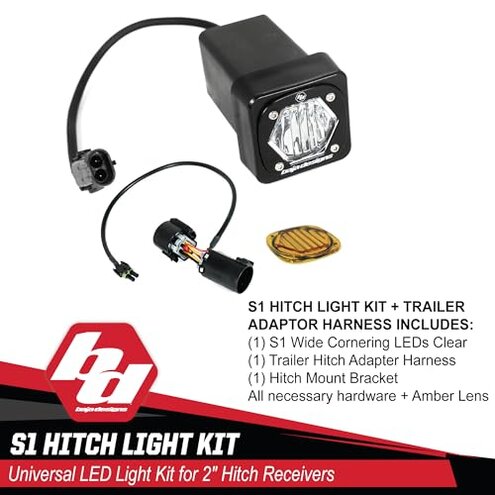
- Good fit for buyers who want a more rugged rear light and can tolerate a longer first install.
- Good fit for off-road or harsh-weather users who will leave the setup in place most of the time.
- Good fit for owners who value strong durability claims more than fast installation.
- Good fit for people already comfortable with vehicle accessory wiring and harness routing.
Expectation vs reality
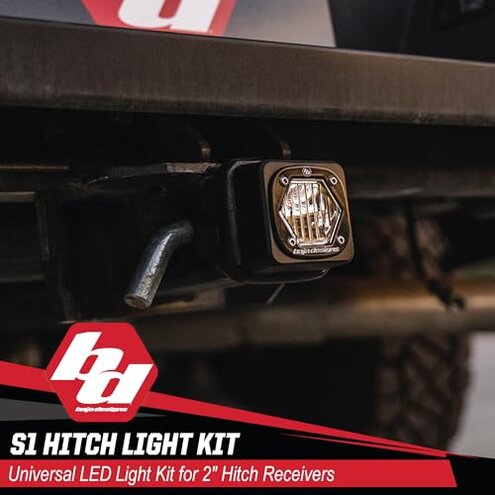
Expectation: A universal hitch light kit should be reasonably simple to mount and connect.
Reality: This one can ask for more install judgment than many shoppers expect from that wording.
Expectation: A premium-priced kit should remove common hassles.
Reality: The rugged build may be strong, but ownership friction can still show up in setup and daily convenience.
Expectation: Extra durability should feel useful every day.
Reality: For light-duty users, the benefit can feel underused compared with the price and effort.
Safer alternatives
- Choose simpler hitch lighting if your main goal is quick rear visibility, not off-road durability.
- Prioritize plug-and-play listings that clearly emphasize easy harness connection to reduce first-install regret.
- Look for easy-access designs if you often remove hitch accessories or alternate between towing setups.
- Match use case to toughness, because heavy-duty waterproof claims matter most in repeated harsh-weather or trail use.
The bottom line
Main regret trigger: Buyers pay a premium price and still face more setup effort than a typical mid-range hitch light. That risk feels higher than normal because the universal fit promise can create an easier-install expectation. Verdict: Avoid it if you want simple, frequent-use convenience more than rugged off-road durability.
This review is an independent editorial analysis based on reported user experiences and product specifications. NegReview.com does not sell products.