
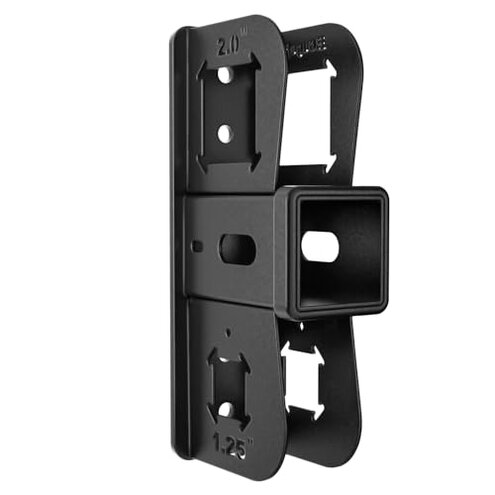
Product evaluated: BougeRV Hitch Wall Mount, 2" Receiver, Max Hold Up to 300LBS, Bike Rack & Cargo Rack Storage, Hanging Garage Organizer, Trailer Hitch Receiver Hitch Bicycle Ski Rack Storage Organizer
Related Videos For You
Hitch Wall Mount | Indoor Storage Rack
Tilt & Pivot Garage Bike Rack | VelociRAX
Data basis: This report uses dozens of buyer feedback signals collected from product-page writeups and short-form video demonstrations between 2023 and 2026. Most feedback came from written comments, with added context from photo and video-based setup checks, which helps separate first-install impressions from longer garage-use complaints.
| Buyer outcome | BougeRV wall mount | Typical mid-range alternative |
|---|---|---|
| Install confidence | More variable; setup is simple on paper, but wall type and stud placement matter more than many expect. | Usually easier; still needs careful mounting, but tends to feel less picky during placement. |
| Fit tolerance | Higher risk of a receiver fit that feels tighter or less forgiving during first use. | More forgiving with minor size variation in hitch accessories. |
| Daily convenience | Mixed; saves floor space, but can add lifting and alignment effort each time. | More balanced; still requires lifting, but often with less fuss. |
| Wall compatibility | Higher-than-normal risk; not a good match for hollow wall situations, which creates a hidden requirement. | Still limited, but buyers usually expect that sooner from the listing and design. |
| Regret trigger | Most regret starts when buyers expect a universal, quick storage fix and then hit fit or mounting limits after setup. | Lower regret when used on the right wall with lighter, easier-to-handle gear. |
Why does a “simple” install turn into extra work?
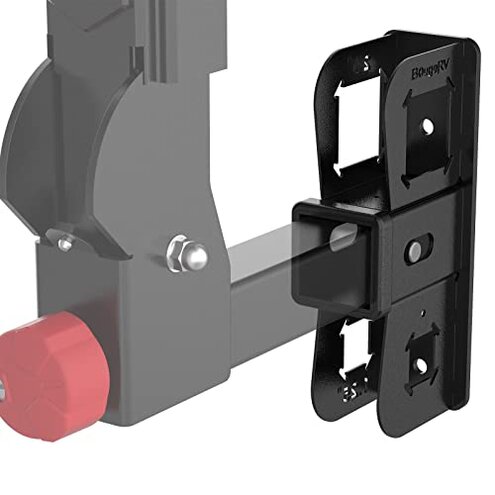
Primary issue: The most disruptive complaint pattern is not raw assembly time. It is the extra planning needed before drilling, especially when garage walls are not ideal.
Recurring pattern: This shows up during first setup, and it gets worse when buyers assume any garage wall will work. Compared with a typical mid-range storage mount, this feels less forgiving because the product has a stronger hidden dependency on solid mounting conditions.
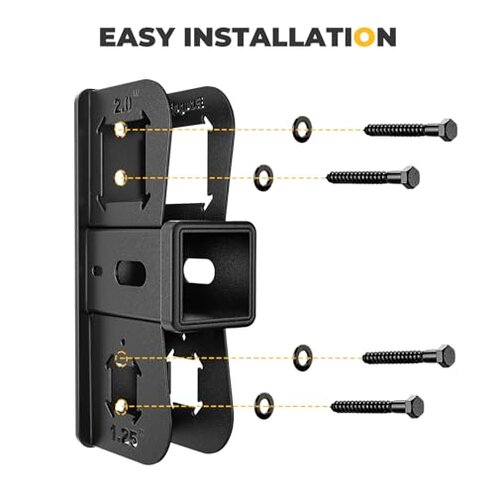
Hidden requirement: The product description itself says it is not recommended for hollow brick walls, which is a visible limit many casual buyers miss until installation day.
Real impact: That means extra measuring, stud finding, or even changing the install location. For a product meant to reduce clutter fast, that added setup friction is more frustrating than normal for this category.
- Early sign: If your planned spot is drywall over uncertain backing, this issue can appear before first use.
- Frequency tier: This looks like a primary pattern, because mounting-surface limits appear repeatedly in setup-focused feedback.
- Buyer impact: It can turn a 5-minute expectation into a longer install with more tools, checking, and repositioning.
- Fixability: It is fixable if you have a solid wall or a stud-ready spot, but not if you need a flexible location.
Does the receiver fit feel tighter than expected?
- Primary complaint: A tight fit is among the most common regret triggers for this kind of mount, because buyers expect quick slide-in storage.
- When it shows up: It usually appears at first use when hanging a bike rack, cargo rack, or hitch accessory after installation.
- Pattern signal: This is recurring rather than universal, with fit sensitivity appearing repeatedly across setup-focused feedback.
- Why it stings: In this category, buyers reasonably expect a 2-inch wall mount to be fairly forgiving, not a repeated alignment chore.
- Daily effect: If you remove and rehang your rack often, the extra nudging becomes more annoying over time.
- Compared with baseline: That makes it more disruptive than expected for a simple garage organizer, where convenience is the whole point.
- Mitigation: Buyers who leave one accessory mounted most of the time may notice this less than people who swap gear often.
Illustrative excerpt: “I wanted quick storage, not a wiggle-and-line-up routine every time.”
Pattern type: This reflects a primary fit-friction pattern.
Is lifting gear onto the wall more annoying than it sounds?
- Secondary issue: The space-saving benefit is real, but the lifting effort can feel like more work than expected during daily use.
- Usage moment: This shows up after setup, especially when storing heavier or awkward hitch-mounted gear by yourself.
- Pattern signal: This appears persistently in practical-use feedback, even when buyers like the basic concept.
- Why buyers regret it: Floor space improves, but each use can become a small handling task instead of a quick hang-up.
- Category contrast: Wall mounts always require some lifting, but this can feel less convenient than typical if the rack is bulky or you use it often.
- Who feels it most: Frequent cyclists, ski-season swappers, or anyone moving a heavy rack between vehicles and storage will notice it more often.
Illustrative excerpt: “It clears the floor, but hanging the rack is still a two-step hassle.”
Pattern type: This reflects a secondary convenience pattern.
Does the weight promise create false confidence?
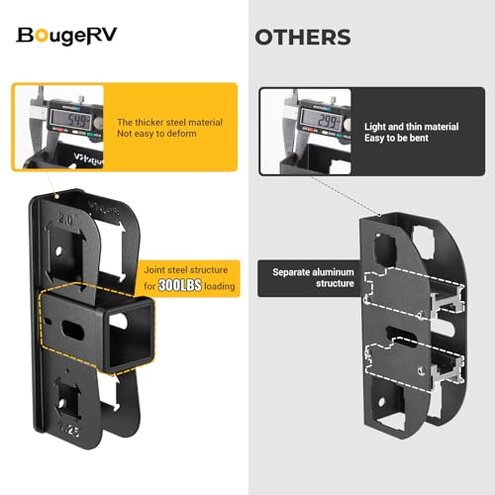
- Edge-case concern: The stated 300 lbs capacity sounds reassuring, but real-world confidence still depends heavily on the wall and install quality.
- When it matters: This becomes important during setup and whenever buyers store larger hitch accessories and assume the rating tells the whole story.
- Pattern signal: This is a less frequent but persistent concern, because not every buyer pushes capacity, yet the misunderstanding repeats.
- Hidden trap: A high load number can make the product seem more universal than it really is.
- Why worse than normal: In this category, load claims are common, but this one can create higher-than-normal confidence in weak wall situations.
- Practical result: Buyers may blame the product when the bigger issue is that their wall setup was never a good match.
- Mitigation: It works better for buyers who already know they have a solid mounting surface and a manageable accessory shape.
- Takeaway: Treat the weight figure as a best-case ceiling, not a shortcut past installation judgment.
Illustrative excerpt: “The capacity sounded huge, but my wall mattered more than the number.”
Pattern type: This reflects an edge-case expectation gap.
Illustrative excerpt: “I missed the wall warning and had to change my install plan.”
Pattern type: This reflects a primary hidden-requirement pattern.
Who should avoid this
- Avoid it if you need a storage mount that works in almost any garage spot, because this design has a stronger wall-condition dependency than many expect.
- Avoid it if you swap hitch gear often and want one-hand convenience, since fit and alignment friction can feel worse than normal over time.
- Avoid it if your rack is bulky and awkward to lift, because the wall-saving benefit may not offset the repeated handling effort.
- Avoid it if you rely heavily on the 300-lb claim without knowing your wall structure, because that can create false confidence.
Who this is actually good for
- Good fit for buyers with a confirmed solid wall or wood stud location who can tolerate more setup checking upfront.
- Good fit for people who leave one rack stored for long stretches, because daily fit friction matters less when you are not swapping often.
- Good fit for organized garages where floor clearance matters more than fast on-and-off access.
- Good fit for buyers comfortable with tools and placement planning, since the main downside is often installation judgment rather than assembly complexity.
Expectation vs reality
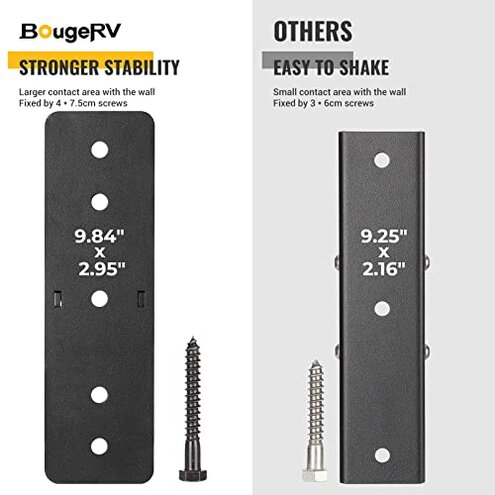
- Expectation: A 2-inch wall mount should be a quick universal storage add-on.
- Reality: Fit and wall condition can make it feel more selective than expected after installation.
- Expectation: The included hardware means the job is basically done in minutes.
- Reality: If your wall situation is not ideal, planning and repositioning add extra time.
- Expectation: A 300-lb rating means strong confidence in most garages.
- Reality: The rating does not remove the need for a solid, suitable mounting surface.
- Expectation: Space-saving should also mean less hassle every day.
- Reality: For bulky gear, the lift-and-align step can be worse than expected for this category.
Safer alternatives
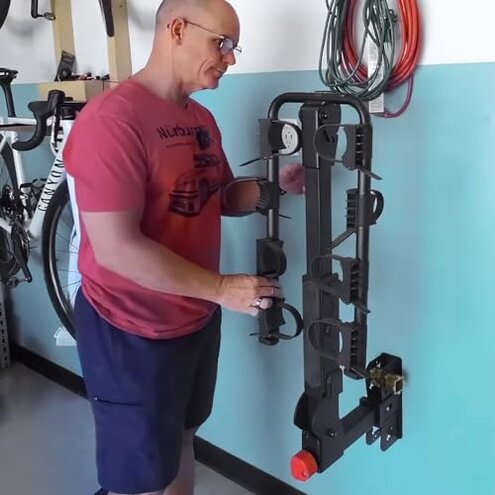
- Choose a mount with clearer wall-type guidance if your garage construction is uncertain, which directly reduces the hidden-requirement problem.
- Look for receiver storage options described as easier to insert and remove if you swap racks often, which helps avoid repeat fit frustration.
- Consider lower-position storage solutions if lifting bulky hitch gear is already annoying, which cuts the daily handling burden.
- Prioritize installation flexibility over headline load numbers if your available wall space is limited, because real placement options matter more than peak capacity.
The bottom line
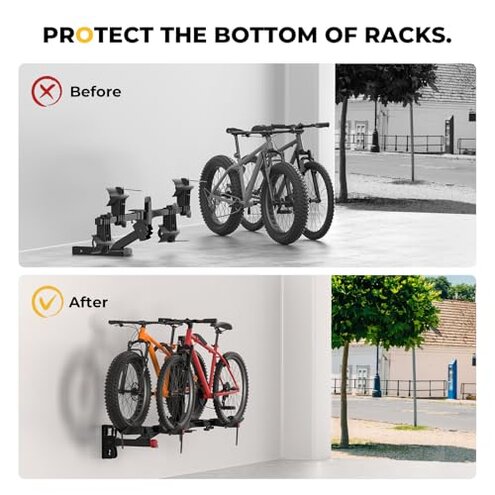
Main regret: Buyers run into trouble when they expect a simple, universal wall organizer and instead get a product that is pickier about fit and wall conditions. That exceeds normal category risk because convenience products should save time, not add planning and alignment steps.
Verdict: If your wall is solid and your rack stays put for long periods, it can work. If you need flexible placement or frequent easy access, this is a skip-risk product.
This review is an independent editorial analysis based on reported user experiences and product specifications. NegReview.com does not sell products.