
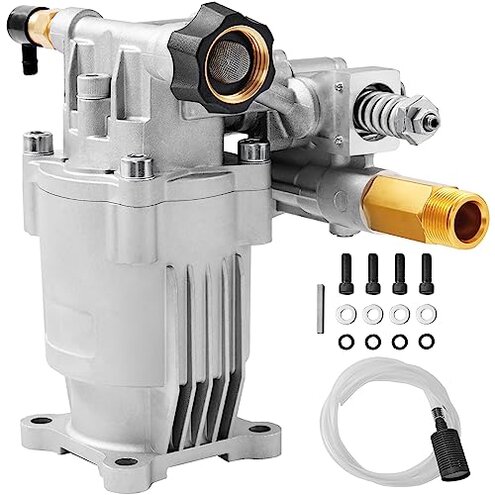
Product evaluated: VEVOR Pressure Washer Pump, 3/4" Shaft Horizontal, 2500-3400PSI, 2.5 GPM, Replacement Power Washer Pumps, Parts Washer Pump, Compatible with Honda, Simpson, RYOBI, Briggs & Stratton, Subaru, Craftsman
Related Videos For You
Inexpensive water tank setup with pressure washer
Two Bad Pumps - Pressure Washer Pump Replacement
Data basis: This report draws from dozens of buyer comments collected from product page feedback and video-style usage demonstrations between 2023 and 2026. Most input came from written reviews, with added context from setup clips and follow-up ownership notes, which helps separate first-install frustration from problems that show up during use.
| Buyer outcome | VEVOR pump | Typical mid-range alternative |
|---|---|---|
| Install confidence | Lower; fit checks appear repeatedly after unboxing and during first setup. | Better; still requires matching, but usually needs fewer workaround steps. |
| Leak risk | Higher; leak complaints are a primary issue after installation and first runs. | Moderate; leaks can happen, but less often become immediate deal-breakers. |
| Early reliability | Less predictable; performance can feel fine at first, then worsen after repeated use. | More stable; category wear exists, but early drop-off is less disruptive. |
| Hidden requirements | More demanding; buyers commonly find they need extra checking, tweaking, or parts. | Lower friction; still not plug-and-play, but usually more forgiving. |
| Regret trigger | Buying to save money, then losing time on fit, leaks, or short service life. | Paying a bit more, but with fewer surprise setup problems. |
Will it actually fit your washer without surprises?
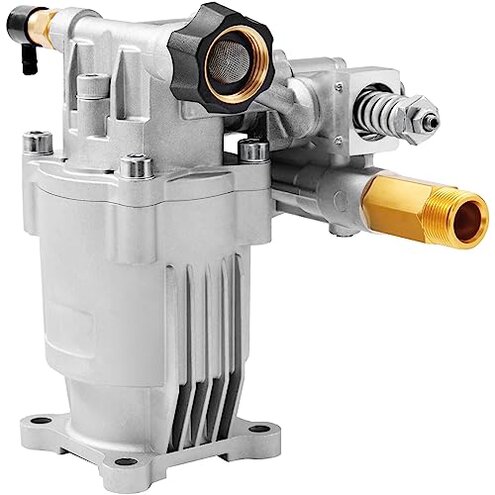
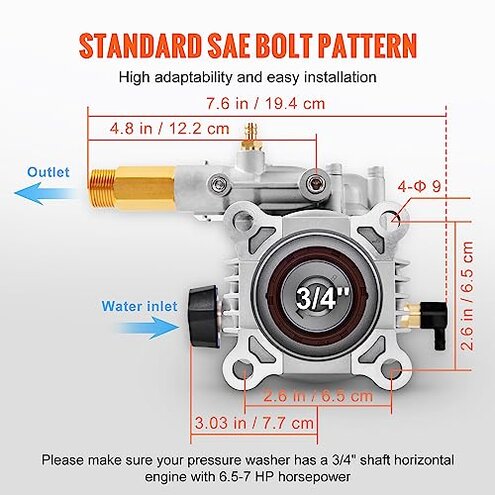
Fit mismatch is among the most common complaints, and it hits right at the point buyers expect a quick replacement. The trade-off is obvious: the low price looks good until first setup turns into measuring, rechecking, and second-guessing.
Pattern: This appears repeatedly, not just as isolated mistakes. It shows up after unboxing and gets worse when buyers assume “compatible” means direct swap with no extra verification.
Category contrast: Pressure washer pumps always need matching, but this seems less forgiving than a typical mid-range replacement. That matters because a replacement part is supposed to reduce downtime, not add it.
- Early sign: Bolt pattern or shaft expectations can look right at first, then fail once the buyer starts mounting it.
- Primary issue: Compatibility confusion is a primary pattern, especially for shoppers replacing a pump in one evening.
- Real moment: The problem shows up during first install, when the old pump is already off and the washer is unusable.
- Impact: It adds extra time, extra comparison work, and sometimes a stalled repair.
- Hidden requirement: Buyers often need to verify more details than the listing alone suggests, which is more effort than many expect in this category.
What if it starts leaking after you get it running?
- Leak complaints are a primary issue and more disruptive than expected for this category because they show up after the hard part, not before.
- Usage context: This tends to appear after setup or during the first few cleaning sessions, when buyers finally think the job is done.
- Pattern signal: The issue is recurring rather than universal, which makes it risky for people who need dependable weekend use.
- Buyer impact: A leak can mean weak cleaning, mess around the machine, or immediate loss of confidence in the repair.
- Why worse here: Minor seepage is not unheard of in this category, but repeated reports of early leakage feel worse than normal because this product is sold as a money-saving fix.
- Attempts made: Buyers commonly retry mounting and recheck connections before deciding the problem is not just user setup.
- Fixability: Sometimes it may be install-related, but the repeated pattern suggests the risk is not limited to simple beginner mistakes.
Does the low price stop mattering if the pump dies early?
Short service life is a secondary issue, but it creates more regret than some higher-frequency annoyances. When it happens, it usually shows up after repeated use, which is exactly when buyers expect the replacement to start paying off.
Pattern: It is not universal, yet the persistence of early-failure comments makes it hard to dismiss. This is worse than a normal category gamble because even budget pump replacements should survive beyond the first stretch of regular cleaning.
- Severity cue: Less frequent than fit trouble, but more frustrating when it occurs because the buyer has already invested setup time.
- Worsens when: Repeated jobs, longer wash sessions, or regular household use seem to expose reliability concerns faster.
- User-visible result: Pressure can drop, operation can feel inconsistent, or the unit can stop feeling trustworthy.
- Cost angle: The cheap entry price loses its appeal if replacement happens again sooner than expected.
Are you buying a simple repair, or a project?
- Setup friction is a secondary issue that appears repeatedly, especially for buyers expecting a quick swap on a working weekend.
- When it hits: It shows up during installation, then again when testing the washer for first use.
- Hidden requirement: This pump may demand more checking, alignment attention, and troubleshooting patience than many mid-range alternatives.
- Why it stings: In this category, some install effort is normal, but buyers report a level of extra hassle that feels higher than the usual “replace and go” baseline.
- Common regret: The repair can turn into a longer task with uncertainty about whether poor results come from fit, setup, or the pump itself.
- Best-case fix: Careful matching and patient installation can reduce risk, but they do not remove the repeated complaints.
- Who feels it most: First-time repair buyers are more likely to find this frustrating than experienced tinkerers.
- Bottom effect: The product can save money only if your time and patience are not already stretched.
Illustrative excerpt: “I thought this was a quick swap, but fitment turned into guesswork.”
Pattern: This reflects a primary complaint.
Illustrative excerpt: “It worked long enough to test, then started leaking during real cleaning.”
Pattern: This reflects a primary complaint.
Illustrative excerpt: “Cheap upfront, but I lost a whole afternoon making it work.”
Pattern: This reflects a secondary complaint.
Illustrative excerpt: “Pressure seemed fine at first, then confidence dropped after a few uses.”
Pattern: This reflects a secondary complaint.
Who should avoid this
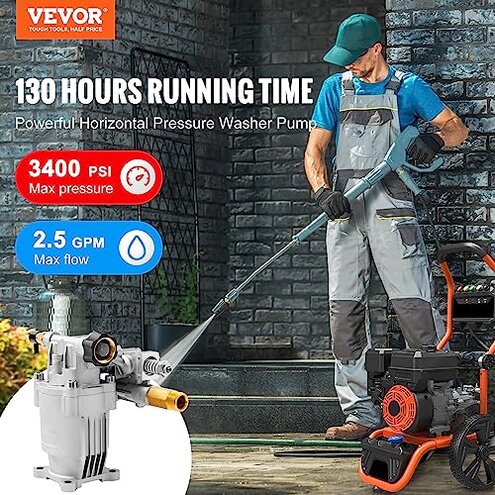
- Avoid this if you need a true same-day repair with minimal trial and error.
- Avoid this if any leak risk is unacceptable for your cleaning setup or storage area.
- Avoid this if you are not comfortable double-checking fit details before and during installation.
- Avoid this if you expect budget pricing with mid-range reliability, because that gap is where regret shows up.
Who this is actually good for
- Good fit for buyers who enjoy tinkering and can tolerate extra setup steps to save money.
- Good fit for someone replacing an older washer on a low budget and willing to verify every measurement first.
- Good fit for occasional users who accept some risk in exchange for a lower upfront cost.
- Good fit for experienced repair-minded owners who already expect compatibility checks and troubleshooting time.
Expectation vs reality
Expectation: “Compatible” should mean a mostly straightforward replacement for many common washers.
Reality: Fit risk appears higher than expected, so compatibility often still needs careful checking before purchase.
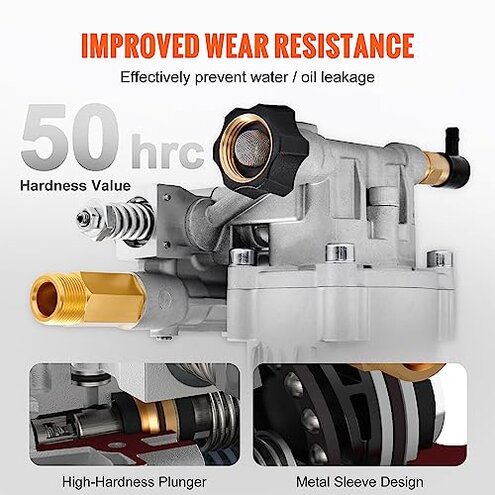
Reasonable for this category: Some installation effort is normal with pressure washer pumps.
Worse reality: Extra hassle appears more frequent here than with a typical mid-range alternative, especially for first-time installers.
Expectation: A budget pump should at least deliver stable early use after a successful install.
Reality: Leak and reliability concerns can show up soon enough to erase the value advantage.
Safer alternatives
- Choose verified fit by buying a pump with clearer model-by-model matching, which directly reduces the first-install gamble.
- Prefer stronger support if you are not an experienced repair buyer, because setup questions are a real friction point here.
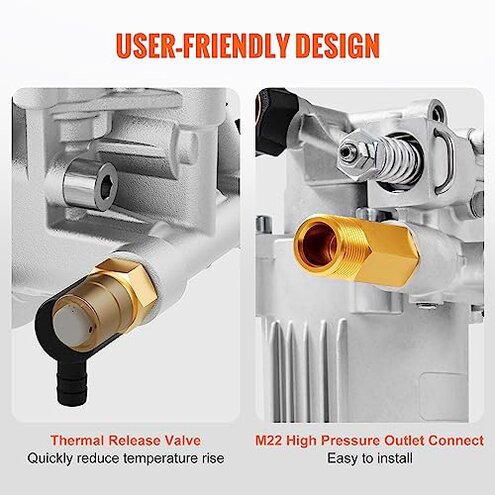
- Pay for lower leak risk when the washer is used often, since early leakage is one of the most disruptive patterns.
- Look for easier install kits if downtime matters, because hidden setup requirements are part of the regret trigger.
- Prioritize reliability over lowest price if you clean regularly, since short service life hurts more after installation time is already spent.
The bottom line

Main regret trigger: Buyers come in to save money, then run into fit uncertainty, leak risk, or an early drop in confidence after setup.
Why avoid: Those problems exceed normal category annoyance because they appear at the exact moment a replacement part should restore quick, dependable use.
Verdict: If you want the cheapest path and can troubleshoot, it may be acceptable. If you want a low-drama repair, this is a product to skip.
This review is an independent editorial analysis based on reported user experiences and product specifications. NegReview.com does not sell products.