
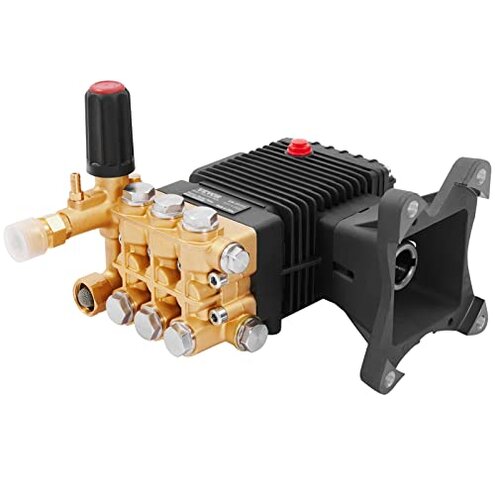
Product evaluated: VEVOR Pressure Washer Pump, 4400 PSI, 4.0 GPM, 1" Shaft Horizontal Triplex Plunger, Replacement Power Washer Pumps Kit, Parts Washer Pump, Compatible with Simpson, Honda, Homelite, Troybilt etc.
Related Videos For You
Top Reasons Your Pressure Washer Pump Is Destroyed & Has No Pressure!
Data basis: This report summarizes dozens of feedback signals collected from written reviews and video-style demonstrations between 2023 and 2026. Most input came from detailed written buyer accounts, with supporting setup clips and follow-up ownership comments adding context about install trouble, pressure behavior, and durability during real cleaning use.
| Buyer outcome | VEVOR pump | Typical mid-range alternative |
|---|---|---|
| First install | Higher risk of extra matching work and unexpected fit checks before use. | Usually easier if the pump is sold for fewer engine and hose combinations. |
| Pressure consistency | Mixed after setup, with recurring reports of tuning and adjustment time. | More predictable out of the box for routine home cleaning. |
| Daily reliability | Less certain over repeated use, especially when buyers expected quick swap-and-go use. | More forgiving for occasional residential sessions. |
| Upkeep burden | Higher-than-normal category risk because setup mistakes can turn into leak or performance problems. | Moderate upkeep, but fewer hidden compatibility checks. |
| Regret trigger | Buying to save money, then losing time on fit, adjustment, or early troubleshooting. | Paying a bit more, but avoiding repeated install headaches. |
Did you expect a simple swap, then hit fit problems?
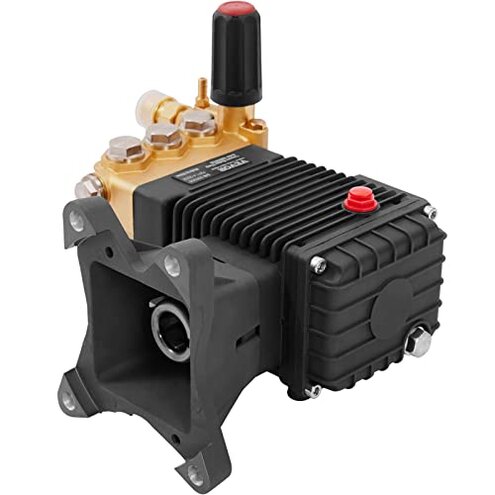
Compatibility trouble is among the most common complaints for replacement pumps like this. The regret usually starts during setup, when buyers realize the pump may not be as universal as the listing makes it sound.
Not universal, but this pattern appears repeatedly across mixed ownership feedback. Compared with a typical mid-range replacement pump, this one feels less forgiving if you are not already confident about shaft size, orientation, and connection matching.
- Primary issue: Commonly reported trouble starts before first use when the pump does not line up as expected with the existing washer setup.
- Hidden requirement: Buyers often need to verify more than one measurement, not just the advertised shaft size, to avoid wasted install time.
- Early sign: If bolts, hose connections, or alignment feel slightly off during mounting, the rest of the install often gets harder.
- Impact: What should save money can add extra steps, return risk, or a second parts search.
- Why worse: Most mid-range alternatives still require checking fit, but this appears more frustrating than expected because the product is marketed for broad compatibility.
Did it run, but not the way you expected?
- Secondary issue: Pressure behavior appears mixed after setup, with some buyers spending time adjusting the regulator before getting usable cleaning power.
- When it shows up: The problem usually appears on first runs when users expect full output right away.
- Worsens when: It becomes more annoying during long cleaning sessions because stop-and-adjust use breaks workflow.
- Buyer frustration: This is less frequent than fit problems, but more disruptive once water is connected and the job has already started.
- Likely cause: The listing itself notes the pressure is not factory-maxed, which creates a hidden expectation gap for buyers wanting plug-and-play performance.
- Fixability: Some users can improve results with careful adjustment, but that still adds setup knowledge many residential buyers did not expect.
- Category contrast: Reasonable for this category is some tuning, but this feels worse than normal because buyers often choose a replacement pump to get back to work quickly.
Are you worried about leaks or early wear after the install?
Durability doubts are a persistent secondary pattern. They usually show up after repeated use, not always on day one, which makes the product harder to judge during the return window.
Less frequent than compatibility complaints, but more frustrating when it occurs because reinstalling a heavy pump takes time. Compared with typical mid-range options, the risk feels higher than normal for buyers who use their washer often.
- Usage moment: Complaints tend to surface after several cleaning sessions rather than immediately after mounting.
- Worsening condition: The issue feels worse for buyers doing regular outdoor cleaning instead of rare one-off jobs.
- What buyers notice: The visible problem is usually leak concern, weaker confidence, or the feeling that the pump is aging too quickly.
- Real cost: Even when failure is not universal, the downside is high effort because removal, rechecking, and reinstallation take time.
- Category contrast: All replacement pumps carry wear risk, but this pattern seems less reassuring than average for shoppers expecting a straightforward residential fix.
- Mitigation: Buyers with strong maintenance habits may reduce trouble, but that means more attention than many casual users want.
Did the “value” math stop making sense?
- Primary regret: A recurring theme is that the low-cost repair idea turns into time loss if setup problems stack together.
- When it happens: This usually becomes clear during installation and first use, when buyers compare effort against just replacing the washer or buying a better-matched pump.
- Why it stings: The product is heavy and purpose-specific, so a bad fit or weak first impression feels more costly than with a smaller accessory.
- Not universal: Some owners get it working, but the pattern is persistent enough that value depends heavily on your exact machine and skill level.
- Hidden trade-off: The savings only hold if you avoid extra hardware, repeated adjustments, or removal and return effort.
- Category contrast: Mid-range alternatives often cost more up front, but they can be safer buys if your goal is less troubleshooting.
- Best read: This is not just a product-price decision. It is a time-and-fit gamble.
Illustrative excerpt: “I thought it would bolt on fast, but I kept checking parts twice.” Primary pattern tied to recurring setup mismatch.
Illustrative excerpt: “It worked, but I had to mess with pressure longer than expected.” Secondary pattern tied to adjustment friction after installation.
Illustrative excerpt: “Saving money disappeared once I spent the afternoon troubleshooting leaks.” Primary pattern tied to value regret during first real use.
Illustrative excerpt: “Fine at first, then I stopped trusting it after a few jobs.” Secondary pattern tied to durability concern over time.
Who should avoid this
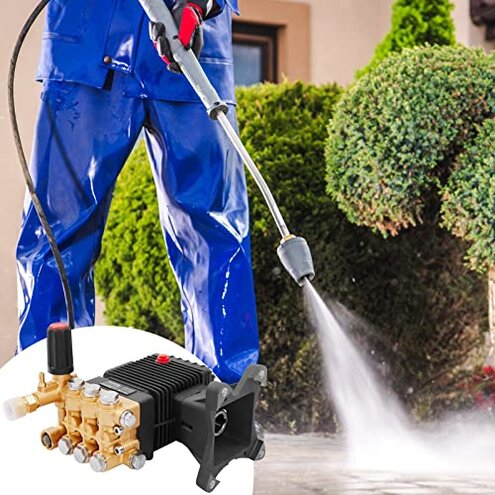
- Avoid it if you want a true plug-and-play replacement, because fit checks and regulator adjustment appear more common than normal.
- Avoid it if your pressure washer details are unclear, since this product seems less tolerant of “close enough” matching than many mid-range alternatives.
- Avoid it if downtime matters, because the main regret trigger is losing a cleaning day to install friction.
- Avoid it if you only use your washer occasionally and do not want ongoing maintenance attention after setup.
Who this is actually good for
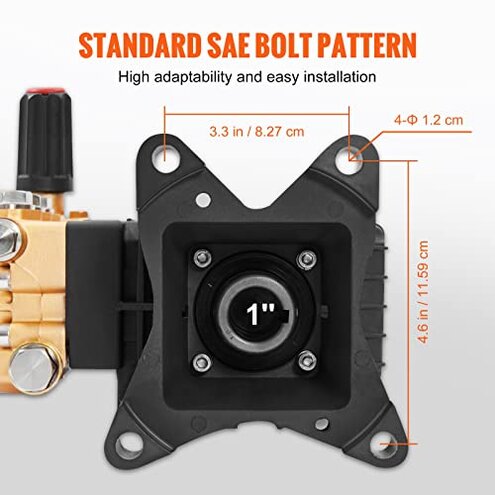
- Better fit for buyers who already know shaft size, engine orientation, and hose connection details before ordering.
- Better fit for tinkerers who accept pressure adjustment as part of setup and do not mind fine-tuning performance.
- Better fit for shoppers trying to revive an older washer cheaply and willing to trade convenience for a possible cost save.
- Better fit for users comfortable monitoring oil condition and checking the pump more closely over time.
Expectation vs reality
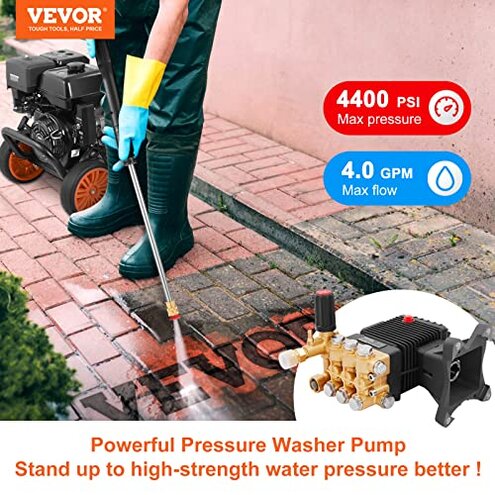
Expectation: A replacement pump should be a quick way to get a washer working again.
Reality: Setup friction is the main risk here, and it appears more often than many buyers expect.
Reasonable for this category: Some adjustment is normal with replacement pumps.
Worse-than-expected reality: Here, tuning effort can feel high because buyers often choose this type of product to avoid a long repair process.
Expectation: Broad compatibility language should mean fewer surprises.
Reality: Exact matching still matters enough that broad claims can create false confidence.
Safer alternatives
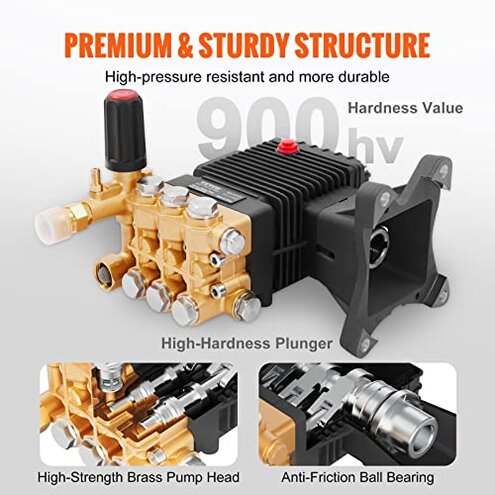
- Choose specificity: Look for a pump sold for your exact washer family, which directly reduces the fit-risk problem above.
- Prioritize install guides: A model with clearer mounting and hose documentation helps neutralize the hidden requirement of checking multiple dimensions.
- Prefer stable setup: If you want less tuning, shop for pumps known for out-of-box consistency rather than maximum stated pressure.
- Buy for usage level: If you clean often, favor alternatives with a stronger track record for repeat-session reliability.
- Compare total hassle: When price is close, choose the option with fewer compatibility questions to avoid the false savings trap.
The bottom line
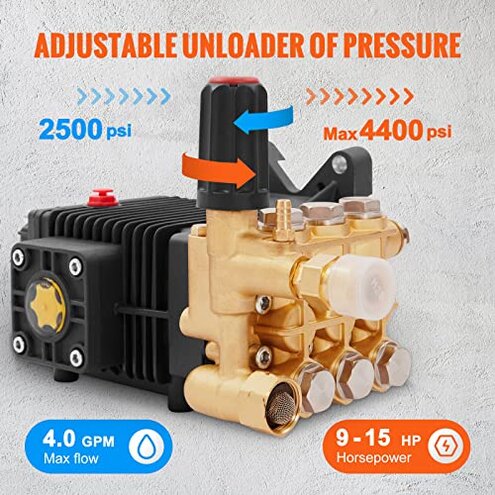
Main regret comes from buying this as an easy money-saving fix, then running into fit checks, adjustment work, or confidence issues after installation. That exceeds normal category risk because replacement pumps already require care, and this one appears less forgiving than a typical mid-range alternative. Verdict: Avoid it if you need simple compatibility and quick recovery. Consider it only if you are confident in exact matching and willing to troubleshoot.
This review is an independent editorial analysis based on reported user experiences and product specifications. NegReview.com does not sell products.