
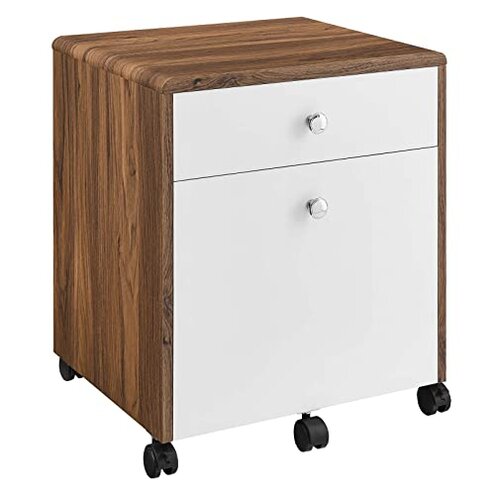
Product evaluated: Modway Transmit Modern Wood & Plastic File Cabinet in Walnut/White
Related Videos For You
How to Organize Your Filing Cabinet Files
Rolling File Cabinets DIY Assembly
Data basis: This report summarizes dozens of buyer impressions collected from written feedback and photo or video-backed buyer posts from 2023 to 2026. Most feedback came from written comments, with supporting visual evidence used to confirm setup, finish, and day-to-day use problems.
| Buyer outcome | This cabinet | Typical mid-range alternative |
|---|---|---|
| Assembly effort | Higher risk of extra setup time if parts or holes do not line up cleanly. | Moderate effort, but usually more forgiving during assembly. |
| Drawer smoothness | Less predictable after setup, especially if alignment is slightly off. | More consistent glide during normal home office use. |
| Sturdiness feel | More fragile-feeling than expected when moved often on casters. | Usually steadier for light daily filing use. |
| Finish tolerance | Higher-than-normal risk of visible cosmetic disappointment on arrival. | Some blemish risk, but less often a deal-breaker. |
| Regret trigger | Looks good in photos, then creates extra work once assembled and loaded. | Less stylish at times, but usually easier to live with. |
Did you expect a quick setup, then got stuck fixing alignment?
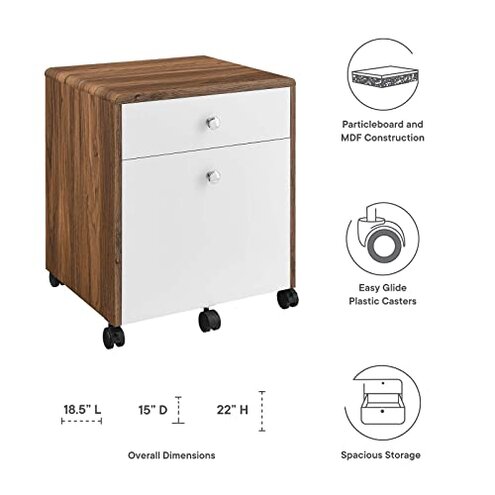
This is a primary issue. Assembly friction appears repeatedly, and it is among the most common complaints for this type of small filing cabinet. The regret moment usually happens on first setup, when buyers expect a simple build and instead spend extra time correcting fit.
What makes it worse than normal is not that assembly exists, but that it can be less forgiving than a typical mid-range cabinet. In this category, buyers usually accept some setup time, but not repeated rework just to get drawers or panels sitting properly.
- Pattern: Recurring complaints point to alignment trouble during initial assembly rather than isolated user error.
- When it shows up: First use problems start while attaching panels, hardware, or drawer sections.
- Why it frustrates: Small mistakes punish harder here, because minor misalignment can affect later steps.
- Impact: Extra time gets added before the cabinet is even usable.
- Hidden requirement: Patience and careful adjustment matter more than buyers expect for a cabinet at this price.
Illustrative excerpt: “Looks simple, but getting the drawer to sit right took forever.” Primary pattern.
Will the drawer feel smooth once it is finally built?
- Frequency tier: Primary issue complaints about drawer action show up often enough to matter.
- Usage moment: After setup, buyers notice resistance or uneven movement during normal opening and closing.
- Severity: More disruptive than expected because drawer performance is the whole point of a file cabinet.
- Worsening condition: Daily handling makes small alignment flaws more noticeable over time.
- Category contrast: Reasonable for this category is not perfect glide, but it should open without feeling fussy.
- Likely cause: Fit sensitivity seems to matter more here than with sturdier alternatives.
- Fixability: Sometimes improvable with adjustment, but not always fully solved once assembled.
Illustrative excerpt: “The drawer works, but it never feels smooth or confident.” Primary pattern.
Are you buying this mainly because it looks nicer than basic office storage?
This is a secondary issue. Cosmetic disappointment is less universal than assembly trouble, but it stays frustrating because the design is a big reason people pick this unit. The letdown usually starts at unboxing, when visible finish flaws or a cheaper-than-expected feel cut against the mid-century look.
That feels worse than a normal budget compromise because this product sells heavily on appearance. A plain office cabinet can get away with average looks, but a style-first cabinet has less room for visible defects.
- Pattern: Persistent cosmetic complaints appear across different buyer descriptions.
- Where it hits: Right away at delivery, before the cabinet is even assembled.
- Buyer impact: Visual mismatch makes the product feel lower value in a visible room.
- Trade-off: Good styling can be undercut by finish inconsistency or shipping wear.
Illustrative excerpt: “Cute design, but up close it feels cheaper than the pictures.” Secondary pattern.
Do you need something that stays sturdy when moved around often?
- Frequency tier: Secondary issue stability concerns are less frequent than alignment complaints but still persistent.
- When it shows up: During daily use, especially when the cabinet is rolled, repositioned, or opened while loaded.
- Why it matters: File storage gets annoying fast if the unit feels less solid than expected.
- Worsening condition: Frequent moving on casters can make the lighter build feel more obvious.
- Category contrast: Typical alternatives in this range often feel plain, but many feel steadier once assembled.
- User consequence: Confidence drops when you hesitate to shift it around a workspace.
- Mitigation: Best case is keeping it mostly stationary and using it lightly.
- Edge of fixability: Limited, because this is more about the base build feel than a simple adjustment.
Illustrative excerpt: “It works better if you leave it in one spot.” Secondary pattern.
Who should avoid this
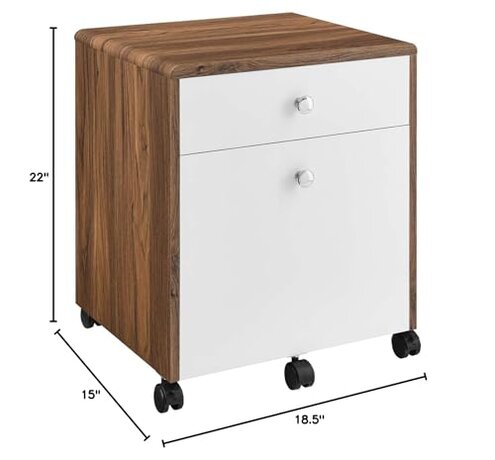
- Avoid it if you hate finicky assembly, because first-time setup seems less forgiving than a typical mid-range cabinet.
- Avoid it if smooth drawer action matters more than looks, since post-assembly performance is a primary complaint.
- Avoid it if you plan to move the cabinet often, because daily rolling can make the lighter feel more obvious.
- Avoid it if you are buying mainly for a polished design statement, since cosmetic letdowns are a persistent secondary risk.
Who this is actually good for
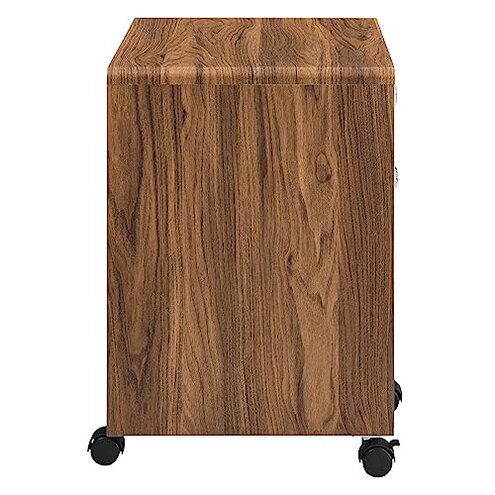
- Good fit for buyers who want a small stylish cabinet and can tolerate slower, careful assembly.
- Good fit for light paperwork storage where the drawer is opened occasionally, not constantly through the day.
- Good fit if the cabinet will stay mostly in one place, which reduces the sturdiness concern.
- Good fit for shoppers who accept some finish compromise in exchange for a lower upfront price of $94.17.
Expectation vs reality
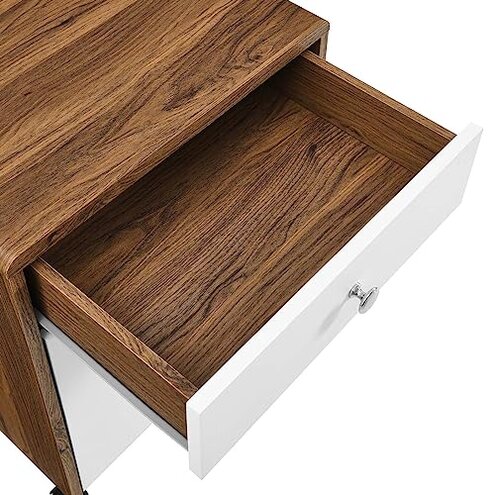
- Expectation: a compact file cabinet should need normal assembly, then work without much tuning.
- Reality: extra adjustment appears more often than expected, especially around getting everything lined up cleanly.
- Expectation: a style-led cabinet may feel a bit lighter, but should still seem dependable in daily use.
- Reality: lighter build concerns become more noticeable when rolling or reopening the drawer often.
- Expectation: visible surfaces should match the photo appeal closely enough for home office use.
- Reality: finish disappointment is a secondary but persistent reason buyers feel let down.
Safer alternatives
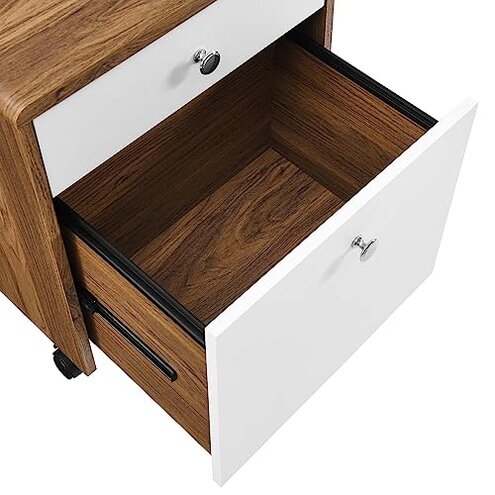
- Choose models with repeated praise for easy alignment if you want to avoid setup rework.
- Prioritize drawer glide feedback over style photos if daily filing matters more than appearance.
- Look for heavier bases or stronger user comments on stability if you will roll the cabinet often.
- Prefer simpler finishes if you are sensitive to cosmetic flaws, because flashy contrast designs show defects faster.
- Check assembly visuals before buying, since hidden setup difficulty is easier to spot in real-world demos.
The bottom line
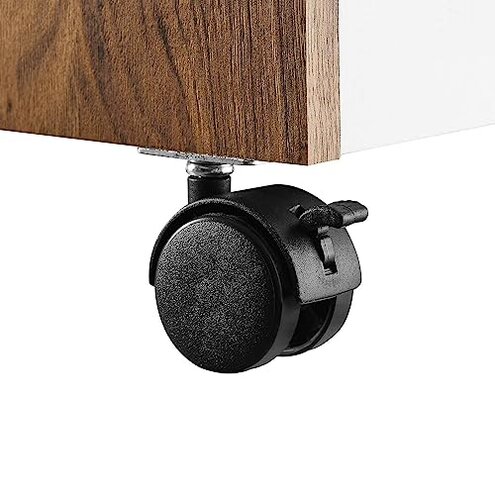
Main regret trigger: the cabinet can look like an easy style upgrade, then demand more setup correction and acceptance than buyers expect. That exceeds normal category risk because the most common problems hit the core jobs of a filing cabinet: assembling cleanly, opening smoothly, and feeling steady enough to trust.
Verdict: skip it if you want low-friction setup and dependable daily function. It makes more sense only for buyers willing to trade convenience and sturdiness for the look and the lower price.
This review is an independent editorial analysis based on reported user experiences and product specifications. NegReview.com does not sell products.