
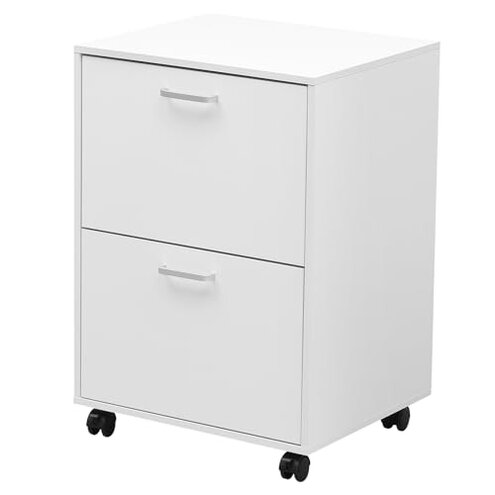
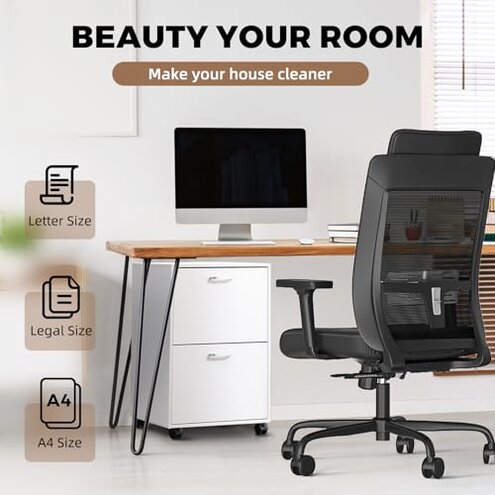
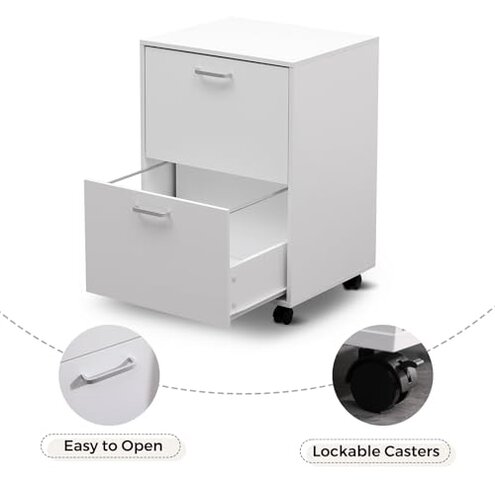
Product evaluated: QDSSDECO 2 Drawer Mobile File Cabinet, Rolling Vertical Filing Cabinet fits A4, Legal Paper and Letter Paper for Home Office, White
Related Videos For You
DEVAISE | 3 Drawer Wood Mobile File Cabinet Assembly 2021
DEVAISE 3 Drawer Mobile File Cabinet
Data basis: This report is based on dozens of buyer comments collected from written feedback and photo or video-backed impressions during the recent retail cycle. Most feedback appears to come from written reviews, with supporting visual posts helping confirm setup, drawer fit, and daily-use problems over time.
| Buyer outcome | This cabinet | Typical mid-range alternative |
|---|---|---|
| Assembly effort | Higher risk of extra setup time if panels or drawer parts do not line up cleanly. | Usually moderate effort with fewer fit corrections during assembly. |
| Drawer movement | More disruptive complaints center on drawers not gliding as smoothly after setup. | Usually acceptable sliding once assembled correctly. |
| Daily stability | Mixed confidence when loaded and rolled, which feels worse than normal for a mobile cabinet. | More predictable for light office movement and parked use. |
| Finish expectations | Some mismatch between compact price-point expectations and how sturdy it feels in person. | More aligned with normal mid-range expectations. |
| Regret trigger | Setup friction followed by drawers that still feel off in daily use. | Less often a repeat-frustration issue after assembly is done. |
Why does it feel annoying right after assembly?
Primary issue: among the most common complaints for this type of cabinet, the regret starts during setup, not months later. Buyers expect basic assembly effort in this category, but persistent alignment trouble feels worse because it adds time before the cabinet is even usable.
Pattern: this appears repeatedly in feedback and is not limited to one isolated setup experience. It tends to show up when attaching drawer sections and checking whether everything sits square before first use.
Category contrast: flat-pack office storage usually needs patience, but this seems less forgiving than a typical mid-range option. The extra trial-and-error matters because small misalignment can carry into how the drawers behave afterward.
Illustrative: “I got it together, but nothing lined up the first time.” Primary pattern.
Do the drawers become the daily frustration?
- Frequency tier: drawer movement is a primary issue, and it appears repeatedly after setup during normal opening and closing.
- When noticed: the problem usually shows up on first use after assembly, then becomes more obvious during daily file access.
- What buyers notice: instead of smooth travel, some users describe a stiff or uneven feel that makes the cabinet seem cheaper than expected.
- Why it stings: in this category, buyers accept basic materials, but they still expect drawers to open without constant attention to angle or force.
- Worsening condition: it feels more frustrating when the cabinet is used for frequent filing, because repeated opening highlights every rough spot.
- Fix attempts: some assembly issues can be improved by loosening and re-tightening parts, but the need for that extra step is itself a hidden cost.
- Regret point: this becomes more disruptive than expected because the cabinet’s main job is easy access, and that is exactly where friction shows up.
Illustrative: “The drawer works, but I have to baby it every time.” Primary pattern.
Does the rolling design help less than expected?
- Secondary issue: mobility and planted stability show a mixed pattern rather than a universal failure.
- Usage moment: this tends to matter after setup when buyers start rolling the cabinet between desk spots or repositioning it while loaded.
- Buyer impact: a mobile file cabinet should feel easy to move and easy to keep put, but some feedback suggests that confidence is less predictable than expected.
- Why this feels worse: light rolling quirks are normal in the category, yet they feel more frustrating here because the cabinet is compact and marketed around mobility.
- Worsening condition: the concern grows when drawers hold files and the cabinet is moved often during a busy workday.
- Hidden trade-off: buyers wanting a cabinet that doubles as a stable printer or office-side platform may find the movement-focused design less reassuring.
Illustrative: “It moves, but not in a way that feels very solid.” Secondary pattern.
Is the build feel lighter than buyers expect?
- Secondary issue: build confidence is a recurring complaint, though less frequent than drawer and assembly frustration.
- First impression: this usually appears during unboxing and assembly, when buyers compare the feel to the price and product photos.
- Daily impact: the concern grows during repeated opening, closing, and rolling, because light-duty construction feels more noticeable with routine handling.
- Category baseline: buyers do not expect premium heft at this price, but they usually expect a cabinet that feels more forgiving in daily office use.
- Why regret happens: if you want a long-term filing piece rather than occasional-use storage, this may feel like more upkeep than most mid-range alternatives.
- Fixability: careful use can reduce stress on the cabinet, but that means adapting your behavior to the product rather than the product fitting normal use.
- Hidden requirement: this cabinet seems better suited to light loads and gentle handling, which may disappoint buyers expecting heavier-duty everyday filing.
- Edge risk: for some buyers this stays acceptable, but when expectations are higher, the mismatch becomes more frustrating than a simple cosmetic compromise.
Illustrative: “It looks decent, but it feels more temporary than I wanted.” Secondary pattern.
Illustrative: “Fine for light papers, not what I’d trust for hard daily use.” Edge-case pattern.
Who should avoid this
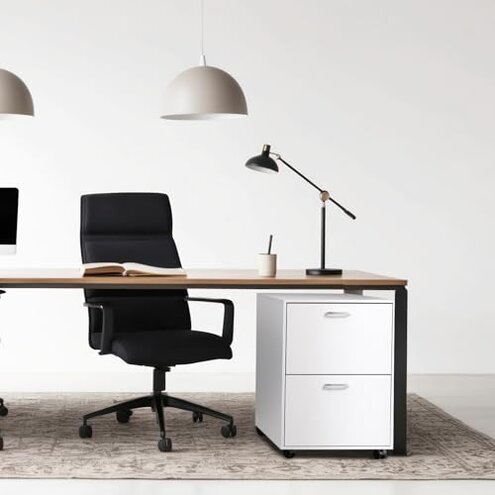
Avoid it if you hate assembly troubleshooting, because setup friction appears repeatedly and seems higher than normal for a basic file cabinet.
Skip it if smooth drawer action is your top priority, since the main frustration often starts right when daily filing begins.
Look elsewhere if you plan to move it often while loaded, because mobility confidence seems less predictable than typical mid-range options.
Pass on it if you want a sturdy long-term office piece, since the lighter build feel can become more obvious with repeated use.
Who this is actually good for
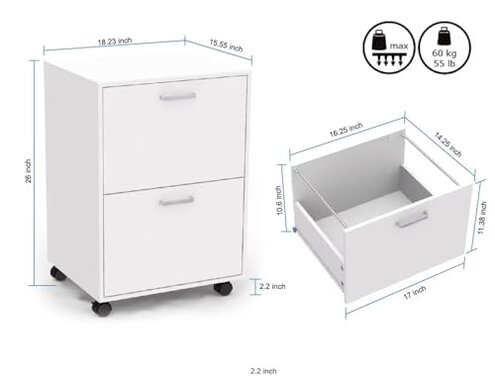
It fits buyers who need a compact cabinet for light paperwork and can tolerate some extra setup adjustment.
It suits people who will park it in one spot most of the time, so the mobility-related complaints matter less.
It works better for occasional home-office storage than for constant all-day filing, because lighter use reduces the daily friction.
It may be fine if your budget is tight and you accept that drawer feel and sturdiness may land below mid-range expectations.
Expectation vs reality
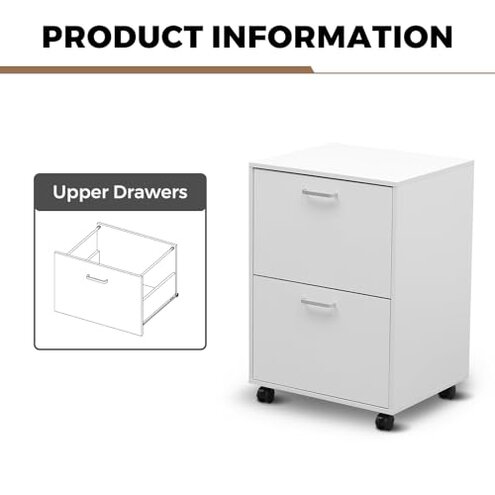
- Expectation: a reasonable hope for this category is basic assembly with minor adjustments. Reality: setup can require more reworking than expected before it feels usable.
- Expectation: drawers should not be premium-smooth, but they should open without much thought. Reality: recurring friction in daily access is the bigger regret trigger.
- Expectation: a rolling cabinet should feel handy and stable enough for normal office movement. Reality: the mobility trade-off can feel less confidence-inspiring once files are inside.
- Expectation: a budget cabinet may feel simple. Reality: some buyers find it feels more temporary than a typical mid-range alternative.
Safer alternatives
- Choose pre-assembled or mostly assembled file cabinets if you want to avoid the setup and alignment risk entirely.
- Prioritize full-extension rails or strong drawer-glide mentions when shopping, because that directly reduces the biggest daily-use complaint here.
- Buy stationary first if you do not truly need wheels, since removing the mobility feature often improves everyday stability.
- Check load intent before buying, and favor options described for heavier daily filing if this will be opened many times each day.
- Use visual demos to inspect drawer travel and wobble before purchasing, because these issues are easier to spot in real use than in product photos.
The bottom line
Main regret: buyers are most likely to feel frustrated by setup trouble that leads into drawers that still do not feel smooth afterward.
Why it stands out: assembly effort and light-duty feel are normal category risks, but here they appear more disruptive because they affect the cabinet’s basic daily function.
Verdict: avoid this one if you want dependable drawer action, easy setup, or frequent rolling use. It makes more sense only for lighter-duty storage and buyers with lower expectations for fit and feel.
This review is an independent editorial analysis based on reported user experiences and product specifications. NegReview.com does not sell products.