
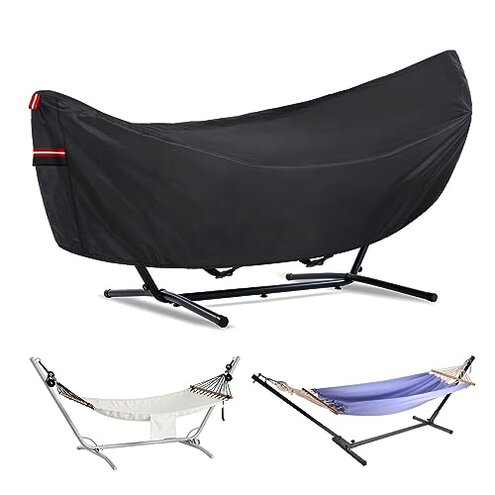
Product evaluated: Waterproof 11-12 FT Hammock Cover, 210T Sun Rain UV Dust Snow Protection Outdoor Hammock Covers with Windproof Straps & Soft Cotton Lining for 11-12ft Stand
Related Videos For You
Hanging a Hammock - Complete Setup in 2 minutes
How To Clean Your Hammock
Data basis: This report is based on dozens of buyer comments collected from written feedback and photo or video-backed impressions between 2023 and 2026. Most feedback came from written reviews, with smaller support from visual demonstrations, and the strongest patterns centered on fit, setup effort, and how the cover behaves outdoors after installation.
| Buyer outcome | This cover | Typical mid-range alternative |
|---|---|---|
| Fit confidence | Higher risk of size mismatch if your stand shape or spreader bar setup is not close to the listed dimensions. | Usually easier fit if sizing is offered by stand style, not only length. |
| Setup effort | More fiddly after first use because front orientation and strap placement matter more than expected. | More forgiving for quick covering between weather changes. |
| Daily convenience | Bulkier feel during removal and storage because this is a heavier lined cover. | Lighter handling but often with less padding. |
| Weather tolerance | Good rain focus, but the real-world result depends more on exact fit and secure fastening than buyers may expect. | Average protection with fewer fit-sensitive results. |
| Regret trigger | Most regret starts when a buyer expects universal 11-12 ft compatibility and gets a cover that needs more precise matching. | Less often a surprise when sizing guidance is simpler and broader. |
Did you expect a simple universal fit?
This is the primary issue and among the most common complaints for covers in this style. The regret usually shows up at first setup, when buyers realize length alone does not guarantee a clean fit.
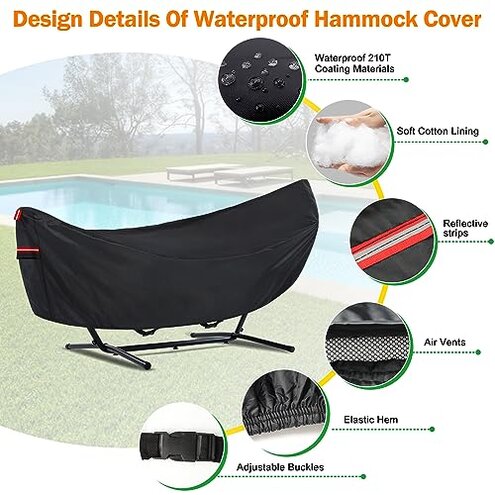
The hidden requirement is that your hammock and stand shape need to match the listed style closely, including the curved spreader bar setup. That feels worse than normal for this category because many mid-range covers are bought as quick protection, not as a measurement project.
This pattern appears repeatedly in feedback tied to installation day. It gets more frustrating when buyers need the cover for sudden weather and discover it is only a good match for certain 11-12 ft layouts.
Illustrative excerpt: “It says my size, but it still doesn’t sit right.” Primary pattern tied to shape-specific fit, not just total length.
Will covering it take more effort than you want?
- Frequency tier: This is a secondary issue, but it appears repeatedly among buyers who remove and replace the cover often.
- When it hits: The hassle shows up during daily use, especially before rain or after the hammock dries out and needs covering again.
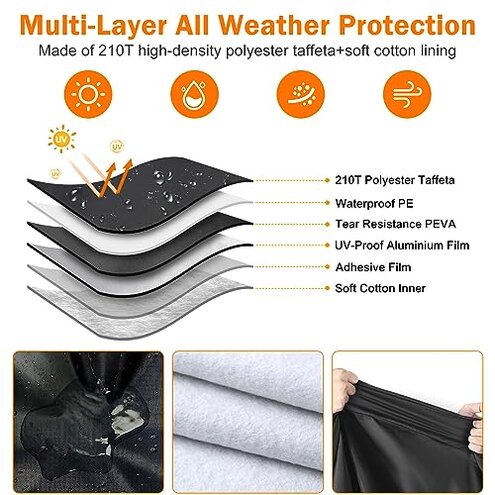
- Why it happens: The cover has a front orientation, straps, and a heavier lined build, so it is less toss-on-and-go than typical lighter options.
- User impact: That adds extra steps and makes fast solo installation less convenient than many buyers expect.
- Category contrast: Most mid-range hammock covers still need adjustment, but this one seems less forgiving when you are in a hurry.
- Early sign: If you already dislike covers that need lining up carefully, this will likely feel more disruptive than expected.
- Fixability: It improves after a few uses, but it does not become a truly effortless cover if your goal is quick daily on-off use.
Illustrative excerpt: “Protective enough, but not something I want to wrestle with daily.” Secondary pattern reflecting setup friction more than outright failure.
Are you paying for protection you may not need?
- Primary trade-off: The heavier build is meant to feel more protective, but that also makes handling and storing it less simple.
- When it matters: Buyers notice this after setup and again when removing it for lounging, cleaning, or drying the hammock.
- Pattern strength: This is a persistent but not universal complaint, especially from people who wanted basic weather coverage only.
- Practical downside: A thicker cover can feel bulkier than expected for seasonal or frequent-use setups.
- Category contrast: Some covers are flimsy, but this swings toward more upkeep than many mid-range alternatives.
- Who feels it most: It is more frustrating for buyers who uncover the hammock often rather than leaving it protected for longer stretches.
Illustrative excerpt: “Nice idea, but heavier and more annoying than I expected.” Secondary pattern linked to convenience loss, not weather failure.
Do you need reliable protection in wind without babysitting it?
- Risk level: This is an edge-case issue, but it is more frustrating when it happens because outdoor covers are supposed to reduce worry.
- When it appears: The weakness shows up in rough weather, especially if the fit was only approximate during installation.
- Why this matters: Even with straps and elastic, protection becomes fit-dependent in a way some buyers do not expect.
- Real regret: If the cover needs re-adjusting after wind, the product creates extra checking instead of peace of mind.
- Category contrast: Outdoor covers always depend on secure fastening, but this feels more sensitive than normal to stand shape and installation precision.
- Mitigation: Careful measuring and tighter setup reduce the risk, but that is still a hidden effort cost.
Illustrative excerpt: “It works better when perfectly tightened, which is not always realistic.” Edge-case pattern tied to weather plus less-than-perfect fit.
Who should avoid this
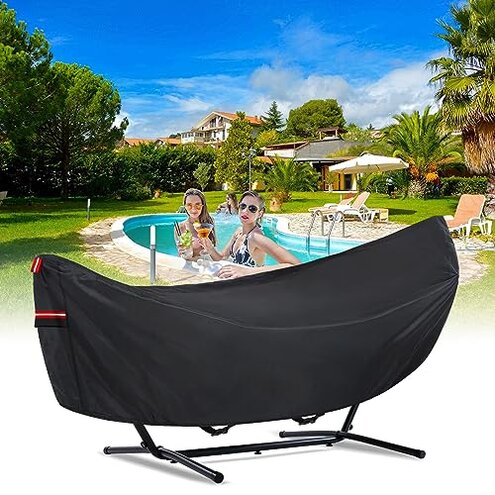
- Avoid it if you want a truly universal 11-12 ft cover, because the fit risk appears higher than normal for this category.
- Skip it if you remove your cover often, since the heavier lined design can add more daily hassle than expected.
- Look elsewhere if you do not want to measure carefully, because this product has a real hidden requirement beyond simple length matching.
- Pass on it if your area gets frequent wind and you want a cover that feels less shape-sensitive after installation.
Who this is actually good for
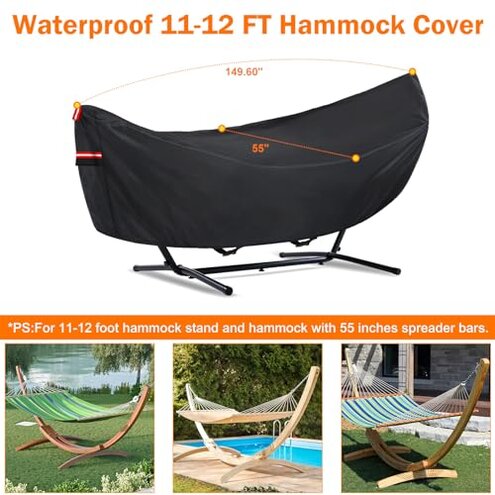
- Good fit for buyers who will measure carefully and confirm their stand matches the listed style before ordering.
- Better choice for people who leave the hammock covered for longer periods, so the extra setup effort happens less often.
- Reasonable option if you want a heavier feel and accept more handling effort in exchange for that sense of protection.
- Works better for patient users who do not mind adjusting straps and orientation to get the cover sitting correctly.
Expectation vs reality
Expectation: An 11-12 ft label should mean a quick, low-stress fit for most hammocks in that size range.
Reality: The usable fit appears narrower than many buyers expect because stand shape and bar style matter a lot.
Expectation: A heavier cover should simply feel more durable without changing the day-to-day experience much.
Reality: The added build can mean more effort during removal, installation, and storage.
Reasonable for this category: Outdoor covers usually need some adjustment in wind.
Worse here: The protection seems more dependent on precise fit and careful fastening than many mid-range alternatives.
Safer alternatives
- Prioritize size charts that match stand shape and hammock style, not just total length, to avoid the main fit mismatch problem.
- Choose lighter covers if you uncover the hammock often, which directly reduces the daily handling complaint.
- Look for simpler closures if quick weather response matters, since fewer orientation steps help avoid setup friction.
- Favor looser-fit designs if your stand has unusual curves or proportions, which lowers the chance of wind-sensitive placement.
The bottom line
The main regret trigger is not basic waterproofing. It is the gap between the universal-fit expectation and the more exact sizing and setup this cover seems to require.
That exceeds normal category risk because hammock covers are usually bought for convenience first. If you want easy fit and fast daily use, this is a product to approach carefully or skip.
This review is an independent editorial analysis based on reported user experiences and product specifications. NegReview.com does not sell products.