
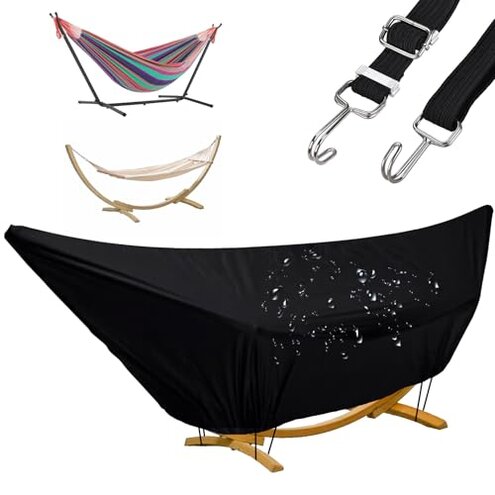
Product evaluated: KRRRSJDJ Outdoor Waterproof Hammock Cover for 13-14FT Hammock Stand,with Zip and Elastic Ropes,and It has Windproof Effect,420D Heavy Duty Oxford (Black,13-14foot)
Related Videos For You
Every Hammock Camper Makes These Mistakes
How To Clean Your Hammock
Data basis: This report uses dozens of aggregated buyer comments collected from product listings, written feedback, and short video demonstrations from recent months through 2026. Most signals came from written reviews, with smaller support from visual setup clips and buyer photos, which helps surface repeat problems during setup and bad-weather use.
| Buyer outcome | This cover | Typical mid-range alternative |
| Setup effort | Higher effort if the fit is not exact, because side zippers and corner cords need more adjustment. | Moderate effort, usually with simpler drape-and-strap placement. |
| Rain protection | More variable in daily use, since protection depends heavily on how well the cover is tensioned. | More forgiving when placed loosely over the hammock and stand. |
| Wind stability | Potentially better if anchored correctly, but higher-than-normal risk of frustration if setup is imperfect. | Usually steadier with fewer adjustment steps. |
| Daily removal | Less convenient because zip access sounds easier than it feels when alignment is off. | Easier for quick on-off use. |
| Regret trigger | Paying more for heavy-duty protection that still needs careful positioning every time. | Lower regret if expectations are basic weather shielding. |
Why does a cover this simple still feel annoying to put on?
Primary issue: Setup friction appears repeatedly, and it is among the most common complaints for covers in this style. The regret moment usually happens on first use or during rushed weather prep.
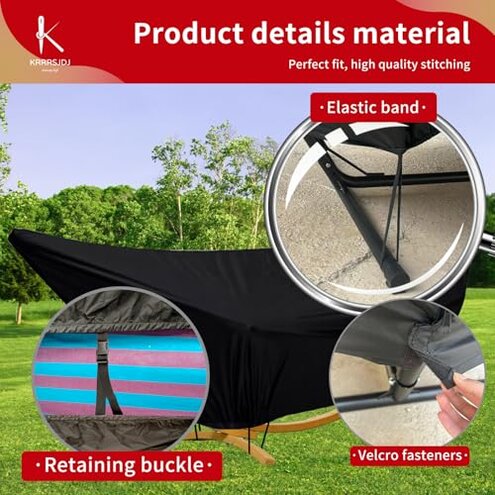
Trade-off: The extra zippers, cords, and water-shedding rope promise better control, but they also create more ways for alignment to go wrong. Compared with a typical mid-range cover, this feels less forgiving when you just want fast protection.
- Pattern: This looks recurring, not universal, especially when buyers expect a quick drop-on cover.
- When it shows up: The problem starts during setup when the cover has to match both hammock length and stand shape.
- Why it worsens: It gets more frustrating in windy conditions or when you are trying to cover the hammock quickly before rain.
- Buyer-visible cause: The design relies on multiple adjustment points, so one uneven side can throw off the whole fit.
- Impact: This adds extra steps each time, which matters more than expected for a product meant to save effort.
- Hidden requirement: You may need to learn a specific tensioning routine instead of simply pulling it over the hammock.
- Fixability: It can improve with practice, but that still means ongoing hassle compared with easier covers.
Illustrative: “I thought it would slip on fast, but it needed fiddling every time.”
Pattern level: This reflects a primary complaint because setup friction is a leading regret trigger.
Does the waterproof design work only if you install it exactly right?
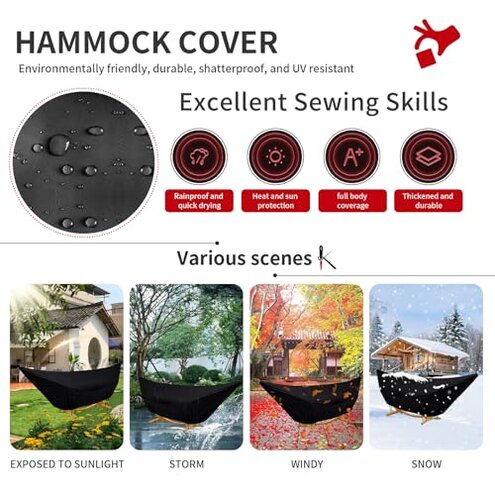
Primary issue: Weather protection looks conditional rather than automatic, which is more disruptive than expected for this category.
Context: The issue tends to show up after setup during rain, especially if the slope rope and corner tension are not balanced well.
Why it feels worse: Most buyers reasonably expect a hammock cover to be somewhat forgiving in real weather. Here, the protection appears more setup-dependent than a typical mid-range alternative.
That matters because the product is sold on heavy-duty outdoor protection. If the setup has to be nearly exact to avoid water sitting in the wrong places, the benefit feels narrower than expected.
Illustrative: “It covered the hammock, but water still seemed to find weak spots.”
Pattern level: This reflects a primary pattern because rain performance is central to the purchase decision.
Why can a windproof feature still turn into a hassle?
- Frequency tier: This is a secondary issue, less frequent than setup trouble but more frustrating when bad weather exposes it.
- Usage moment: It tends to appear during storms or gusty days after the cover has already been installed.
- Main trade-off: The elastic-cord approach can help, but it also makes the cover sensitive to positioning.
- Buyer impact: If one corner slips or sits unevenly, the cover can feel less stable than expected.
- Category contrast: That is worse than normal because wind-ready covers should reduce worry, not create more anchor-checking.
- Attempted workaround: Buyers often try retightening or rehooking corners, which adds upkeep rather than solving the root fit issue.
- Real regret: The windproof claim can feel conditional instead of dependable in everyday outdoor use.
Illustrative: “It stayed on better after redoing all four corners, but that got old.”
Pattern level: This reflects a secondary pattern because it usually depends on weather and setup precision.
Will the size range be too specific for some stands?
- Primary concern: Fit sensitivity is among the most important risks because this cover is sold for a narrow length range.
- When it happens: Buyers notice it on first fitting, especially if their stand shape is slightly different from the expected layout.
- Early sign: If the zipper line or corners look stressed before full closure, the fit is already borderline.
- Why it matters: A cover can be technically the right length yet still feel awkward because hammock stands vary in height and curve.
- Category contrast: Mid-range alternatives are often more forgiving with looser cuts, even if they look less tailored.
- Impact on use: A too-specific fit makes daily covering slower and increases the chance of poor rain runoff.
- Fixability: There is limited room to fix a borderline match beyond repeated adjusting.
- Who feels it most: This hits buyers hardest when they assume the listed size alone means easy compatibility.
Illustrative: “The length seemed right, but my stand shape made the whole thing awkward.”
Pattern level: This reflects a primary pattern because fit problems amplify nearly every other complaint.
Who should avoid this
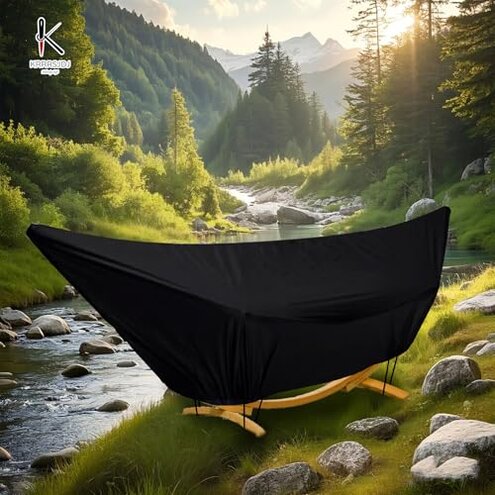
- Avoid it if you want a cover you can throw on quickly before rain without much adjustment.
- Avoid it if your hammock stand has an unusual curve or height, because fit sensitivity appears repeatedly.
- Avoid it if you dislike trial-and-error setup, since weather protection seems more setup-dependent than normal.
- Avoid it if you expect windproof claims to mean low maintenance after installation.
Who this is actually good for
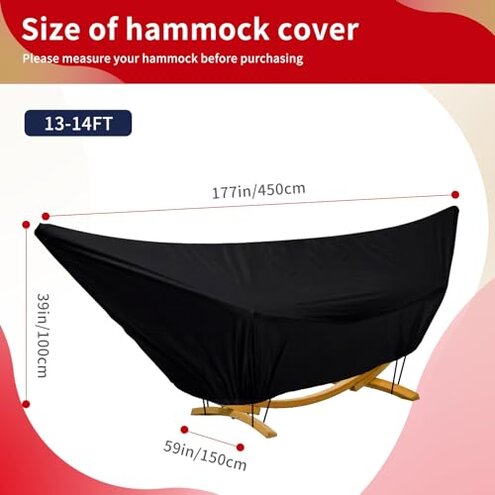
- It fits buyers who do not mind a learning curve and are willing to fine-tune cords for a tighter cover.
- It suits people with a very standard 13-14 foot stand who want a more enclosed fit than loose drape covers.
- It works better for buyers in calmer weather who can tolerate extra setup time for potentially better coverage.
- It helps users who leave the cover on longer rather than taking it off and reinstalling it often.
Expectation vs reality
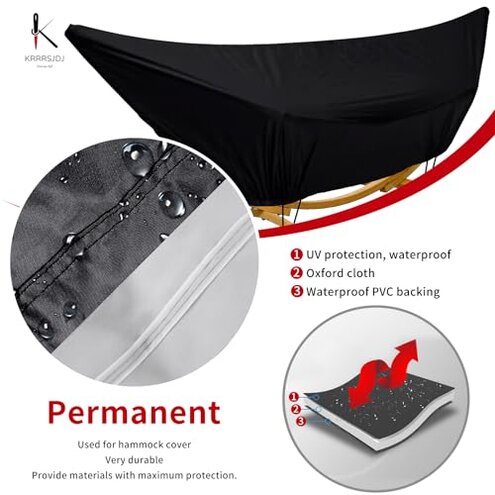
- Expectation: A zipper means easier access and faster use.
- Reality: If alignment is off, the zipper can become one more setup variable instead of a convenience.
- Expectation: A waterproof hammock cover should be reasonably forgiving for this category.
- Reality: Protection here appears more dependent on correct tension and slope than many buyers expect.
- Expectation: Windproof features should lower worry once installed.
- Reality: The design may require repeat checks in gusty weather, which feels worse than expected.
Safer alternatives
- Choose a cover with simpler strap placement if your top concern is faster setup.
- Look for a looser-cut model if your stand shape is not perfectly standard, which helps avoid borderline fit.
- Prefer covers with clear built-in support for runoff if you want rain protection that is less setup-dependent.
- Check for buyer photos showing real stand compatibility, which helps reduce the hidden requirement of precise tensioning.
- Consider basic mid-range covers if you remove the cover often, because fewer features can mean less daily hassle.
The bottom line
Main regret: Buyers are most likely to regret the setup sensitivity, especially when they expected quick protection from rain and wind.
Why it stands out: That risk feels higher than normal for this category because several features only pay off when the fit and tension are just right. Verdict: Skip it if you want a low-effort hammock cover, and only consider it if you are comfortable managing a more exact setup routine.
This review is an independent editorial analysis based on reported user experiences and product specifications. NegReview.com does not sell products.