
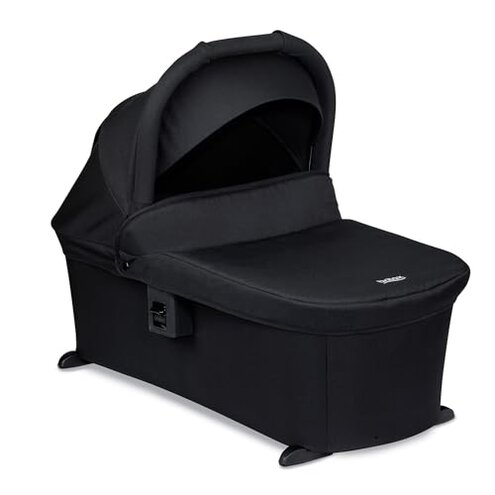
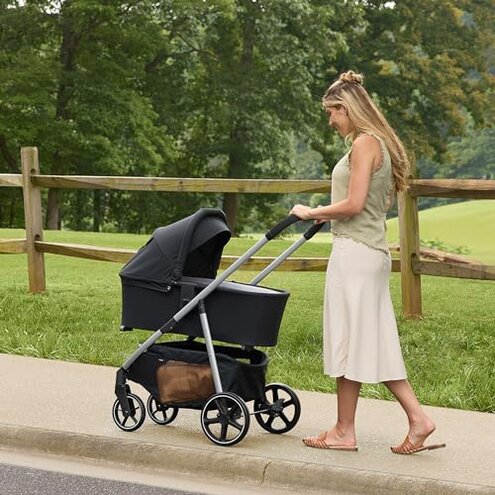
Product evaluated: Britax Grove™ Modular Stroller, Lightweight Stroller with CozyFit™ Insert and Bumper Bar, 6 Ways to Ride, SafeWash, Pindot Onyx
Related Videos For You
Evenflo Pivot Modular Travel System | Folding
Lightweight stroller ✨ Safe, comfy & travel-ready! 🚼#strollers #BabyCare #B2B
Data basis: This report pulls from dozens of buyer impressions collected from late 2023 to early 2026. Most feedback came from written reviews, supported by photo and video demonstrations, with the clearest patterns showing up in everyday-use comments rather than first-look reactions.
| Buyer outcome | Britax Grove | Typical mid-range alternative |
|---|---|---|
| Daily lifting | Higher effort at 24 pounds, especially for trunk loading and stairs. | Moderate effort is more common in this class. |
| Fold convenience | Mixed reality; one-hand fold claim can still add steps during real use. | Usually simpler if truly designed around quick errands. |
| Small-space use | Less forgiving in tighter aisles, car trunks, and crowded storage areas. | More manageable for compact daily routines. |
| Seat flexibility | Good on paper, but mode changes can feel less quick than expected. | Often fewer modes, but easier day-to-day switching. |
| Regret trigger | Biggest risk: buyers wanting lightweight convenience notice the size-and-fold tradeoff after setup. | Lower risk if the priority is simple errands over modular options. |
Need a lightweight stroller, but it still feels like work?
This is the primary issue in the decision risk. The stroller is listed at 24 pounds, and that becomes noticeable the first week if you lift it in and out of a car often.
The pattern appears repeatedly when buyers expected “lightweight” to mean easy for stairs, quick trunk loading, or one-handed daily transitions. In this category, 24 pounds is more disruptive than expected for shoppers specifically chasing a lighter modular stroller.
When it shows up: after setup, during school runs, errands, or apartment living where the stroller gets lifted more than rolled.
Why it stings: a modular stroller can be heavier than a basic stroller, but buyers usually expect the convenience tradeoff to feel more balanced than this.
- Early sign: the size feels fine in the house, then feels bulky the first time you load it into a trunk.
- Pattern tier: this looks like a primary complaint, not a universal dealbreaker but one of the most common regret triggers.
- Worse conditions: the strain grows with daily lifting, frequent folding, or homes without easy stroller storage.
- Buyer impact: quick trips take more effort, so some owners end up avoiding the stroller for short outings.
- Typical workaround: keeping it assembled longer helps, but that assumes you have storage room.
Want the one-hand fold to save time, but it adds friction?
- Hidden requirement: the fold may be one-hand in theory, but real-world use can still require positioning, clearing space, or a second adjustment.
- When it appears: this shows up during daily use, especially when the basket is loaded or the seat setup is not in the ideal position.
- Frequency tier: this is a secondary issue, less common than weight complaints but persistent because it hits busy moments.
- Why buyers notice: the frustration comes when you are holding a child or bags and the fold is not as instant as expected.
- Category contrast: many mid-range strollers still need a motion sequence, but this feels less forgiving than typical if you bought it for multitasking convenience.
- Attempts to fix: owners often get better with practice, but that means the product asks for a learning curve that some buyers did not expect.
- Real regret: the stroller may work well once opened, but the fold friction can dominate how people judge it.
Have a small car or tight hallways, and the stroller starts feeling oversized?
- Scope: this is a recurring pattern across compact-living and travel-focused feedback.
- When it hits: the problem shows up after purchase, once buyers test real storage spaces rather than open-floor setup.
- Main cause: the stroller offers 6 ways to ride, but that flexibility usually comes with more frame presence.
- Buyer-visible impact: turning in narrower aisles, packing a smaller trunk, or storing near entryways can take extra effort.
- Why it feels worse: larger modular strollers are expected to take room, but shoppers drawn by the lightweight positioning often expect better day-to-day compactness.
- What people try: removing items from the basket or rearranging car cargo helps, but it adds extra steps to every trip.
Do the extra ride modes sound great, but switching them feels less practical than expected?
- Trade-off: the stroller promises six riding options, which sounds versatile, but added flexibility can also mean more setup decisions.
- Pattern statement: this is not universal, but it is a persistent complaint among buyers who prefer simple, repeatable routines.
- When it appears: it tends to show up after setup, when families start changing directions or adapting for different outings.
- Why it frustrates: switching between parent-facing and forward-facing use can feel slower than buyers expect from a daily-use stroller.
- Category baseline: modular systems usually involve some compromise, but this can feel more upkeep than most mid-range alternatives if you change configurations often.
- Best-case use: families who pick one setup and leave it there usually notice this less.
- Regret trigger: if you imagined frequent, seamless reconfiguration, the stroller may feel more like a feature list win than a speed win.
- Fixability: this is partly manageable with routine, but not fully fixable if your household changes modes often.
Illustrative excerpt: “It rolls nicely, but lifting it every day got old fast.”
Pattern: This reflects a primary pattern tied to the 24-pound frame.
Illustrative excerpt: “The fold works, just not as easily when I’m juggling bags.”
Pattern: This reflects a secondary pattern tied to real-world fold friction.
Illustrative excerpt: “Great features, but it takes up more trunk space than expected.”
Pattern: This reflects a primary pattern around size in daily transport.
Illustrative excerpt: “Changing modes sounded useful, but we stopped bothering.”
Pattern: This reflects a secondary pattern around practical setup fatigue.
Who should avoid this
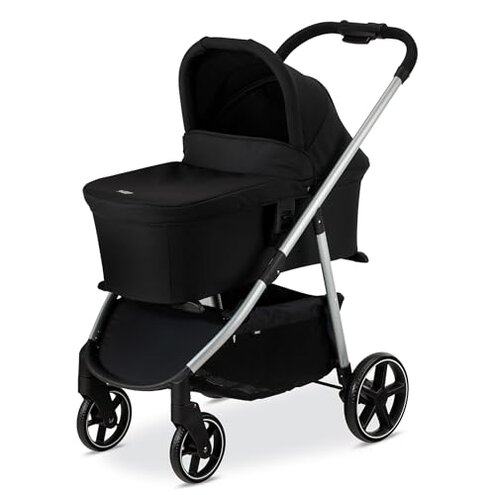
- Avoid it if you live upstairs or lift a stroller often, because the 24-pound weight exceeds what many shoppers mean by lightweight.
- Avoid it if you have a small trunk or narrow storage space, since the modular design can feel less compact than expected.
- Avoid it if you want a truly grab-and-go fold with no learning curve during busy errands.
- Avoid it if you plan to switch modes often, because the flexibility can create more daily handling friction than simpler alternatives.
Who this is actually good for
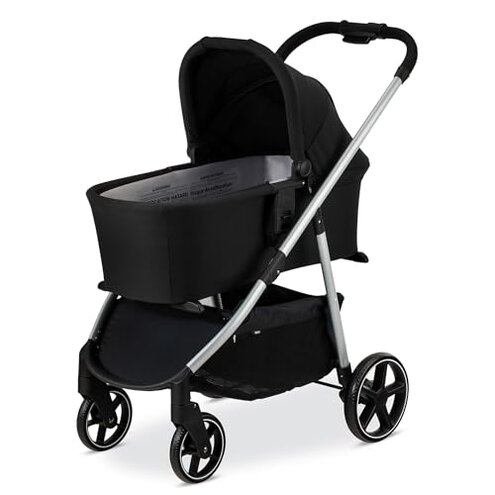
- Good fit for families who mostly walk rather than lift, so the weight matters less once the stroller is out.
- Good fit if you want modular seating options and can tolerate extra setup steps for that flexibility.
- Good fit for buyers with larger vehicles or easy home storage, where bulk is less of a daily penalty.
- Good fit if you usually keep one configuration and do not need constant mode changes.
Expectation vs reality
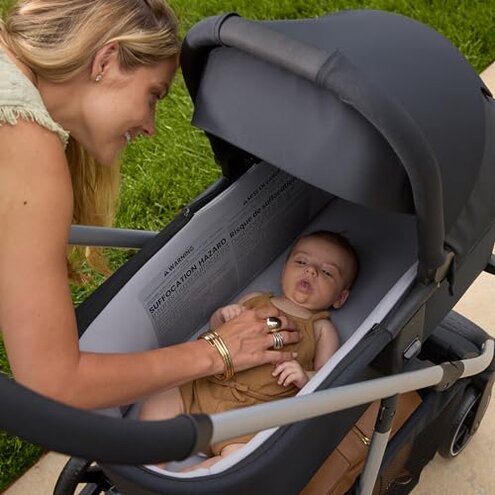
Expectation: “Lightweight modular stroller” should feel clearly easier to lift than many full-feature models.
Reality: At 24 pounds, the carrying burden can still be higher than expected.
Expectation: A one-hand fold should reduce chaos during errands.
Reality: The fold may still require positioning and attention in real use.
Expectation: More ride modes mean more day-to-day convenience.
Reality: The extra flexibility can create more decisions and handling steps.
Expectation: Some bulk is reasonable for this category.
Reality: The inconvenience feels worse when buyers chose this model specifically to avoid heavier modular strollers.
Safer alternatives
- Check carry weight first: if you lift often, compare stroller weight against your real routine, not the marketing word lightweight.
- Test trunk fit: measure your cargo space before buying a modular stroller, because frame bulk is a bigger regret than rolling comfort for many buyers.
- Prioritize true fold ease: if errands are your main use, choose a stroller known for quick folding under load, not just a one-hand claim.
- Be honest about mode changes: if you rarely reconfigure, a simpler stroller may cause less daily friction than a multi-mode system.
The bottom line
Main regret trigger is the gap between the stroller’s lightweight convenience promise and the real effort of lifting, folding, and storing it. That risk is higher than normal for this category because buyers choosing this model are often trying to avoid exactly that kind of modular-stroller hassle. Verdict: skip it if easy lifting and fast folding are your top priorities, and consider it only if you value ride options more than daily convenience.
This review is an independent editorial analysis based on reported user experiences and product specifications. NegReview.com does not sell products.