
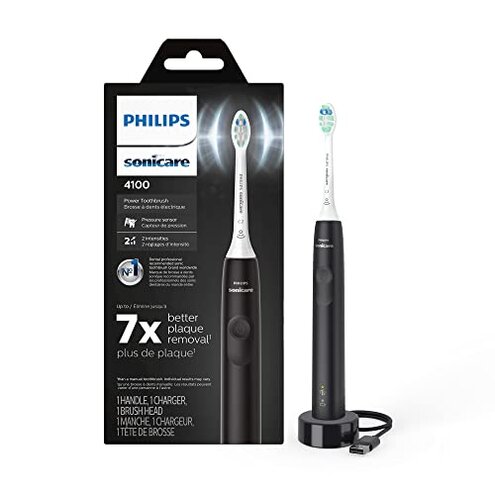
Product evaluated: Philips Sonicare 4100 Rechargeable Electric Toothbrush, with Pressure Sensor, 2 Intensity Settings, SmarTimer and QuadPacer, 14-Day Battery Life, Black, Model HX3681/24
Related Videos For You
How To Use An Electric Toothbrush **UPDATED VIDEO**
Do Sonic Toothbrushes Actually Work? #Ad
Data basis This report summarizes hundreds of buyer comments collected from written feedback and video demonstrations between 2021 and 2026. Most input came from longer written experiences, with video clips and photo-backed posts adding context on charging, noise, and day-to-day handling.
| Buyer outcome | This toothbrush | Typical mid-range alternative |
|---|---|---|
| Cleaning feel | Usually strong when new, but complaints appear repeatedly when power or head fit feels inconsistent during daily use. | More predictable from week to week, even if less polished in design. |
| Charging clarity | Less clear than normal because USB charging adds a hidden requirement for a suitable adapter or charging routine. | Simpler charging setup is more common at this price level. |
| Noise and vibration | More noticeable than some expect, especially during first use or in quiet bathrooms. | Category-normal noise is still common, but often feels less sharp. |
| Long-term confidence | Higher-than-normal risk because persistent complaints center on battery fade and charging problems over time. | Moderate risk is expected, but mid-range models usually cause less early replacement regret. |
| Regret trigger | Replacing too soon after charging or power issues makes the value feel worse than the purchase price suggests. | Mostly regret comes from brush-head cost, not early handle frustration. |
Does it stop feeling reliable after the honeymoon period?
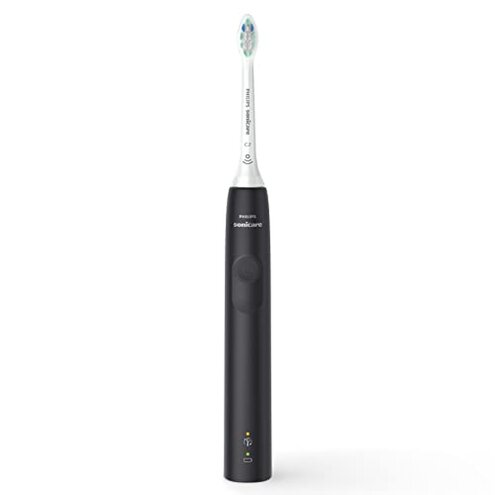
Yes, this is the primary issue. The biggest regret moment is when a rechargeable toothbrush starts acting weak or inconsistent during normal daily brushing. That feels more disruptive than expected for this category because the whole point is dependable routine use.
This pattern appears repeatedly. It tends to show up after setup, then becomes more obvious with repeated charging cycles and regular twice-daily use. Mid-range electric toothbrushes can lose stamina over time, but buyers commonly describe this one as less forgiving than expected.
- Early sign: the brush may seem strong at first, then feel less steady during a full brushing session after weeks or months of use.
- Frequency tier: this is a primary complaint and among the most common negatives tied to long-term satisfaction.
- Usage moment: the frustration hits during daily use when power drops mid-routine or charging no longer restores the same brushing feel.
- Impact: once reliability becomes questionable, buyers often stop trusting it for travel or regular home use.
- Why it stings: that creates a higher-than-normal category risk because even cheaper alternatives often last long enough to feel less wasteful.
- Fixability: there is limited user fixability if the battery or charging behavior starts fading, which pushes buyers toward replacement.
Is the charging setup more annoying than it looks?
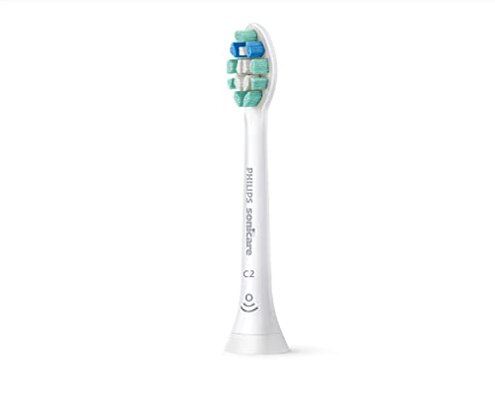
Often, yes. A secondary frustration is not outright failure, but extra setup friction around how it charges. That becomes annoying right after unboxing, especially for buyers expecting a more plug-and-play experience.
- Hidden requirement: the included USB charge setup can add an extra step if your bathroom or travel setup does not match it well.
- Pattern: this issue is recurring, though less severe than battery failure and more about convenience than breakdown.
- When it appears: it shows up on first setup and again when traveling or moving the charger between rooms.
- Why worse here: many mid-range alternatives keep charging simpler, so this feels like more effort than the sleek design suggests.
- Buyer impact: the routine becomes easier to postpone, which is not what most people want from a basic daily-care product.
- Mitigation: this is easier to live with if you already use USB charging nearby and do not mind a dedicated spot for it.
- Regret point: buyers who expected a straightforward charging dock often find the extra planning more frustrating than the actual brushing performance.
Does the brushing feel harsher or louder than expected?
For some buyers, yes. This is a persistent but not universal complaint, usually tied to how intense the vibration feels in a quiet room or on sensitive teeth and gums.
The issue tends to show up immediately. It is most noticeable on first use, and it can feel worse during longer sessions or when switching from a manual brush. Sonic toothbrushes are never silent, but buyers commonly expect the sensation to feel more refined at this price.
- Primary feeling: some describe the vibration as sharp rather than smooth.
- Scope: this appears across multiple feedback types, including people comparing it with older electric brushes.
- Context: it is more obvious in small bathrooms or if you brush early while others are sleeping.
- Trade-off: strong cleaning can be good, but the sensation can make the brush feel less comfortable than expected.
- Category contrast: electric brushes usually have some buzz, yet this complaint feels more frustrating because comfort is a major reason people upgrade from manual brushing.
Do replacement costs and upkeep sneak up on you?
They can. This is a secondary issue, but it becomes more frustrating when long-term durability already feels uncertain. Buyers are less willing to keep spending on heads if the handle itself feels like the weak point.
- Pattern level: this is a secondary complaint, less frequent than battery concerns but closely connected to regret.
- When it matters: it shows up after the first replacement cycle, when buyers start thinking about total cost rather than the purchase price.
- Why it feels worse: replacement-head costs are normal in this category, but they sting more when the base unit seems less durable than typical mid-range options.
- Behavior effect: some buyers delay changing heads, which undercuts the benefit of buying an electric brush in the first place.
- Fixability: this is manageable only if you already accept recurring upkeep and trust the handle to last.
- Regret trigger: if you dislike ongoing accessory costs, this model can feel like a poor long-term fit rather than a one-time purchase.
Illustrative excerpts
- Illustrative: “It cleaned well, then started needing charging way too often.” Primary pattern tied to battery fade during normal use.
- Illustrative: “I did not expect the charger setup to be this picky.” Secondary pattern tied to first-use setup friction.
- Illustrative: “The buzzing felt stronger and louder than I wanted.” Secondary pattern tied to comfort and noise sensitivity.
- Illustrative: “I hesitated buying new heads because I no longer trusted the handle.” Secondary pattern tied to long-term value doubts.
Who should avoid this
- Avoid it if you want a toothbrush with the lowest possible long-term failure risk, because battery complaints are the main pattern and feel worse than normal here.
- Avoid it if you hate hidden setup steps, since the USB charging arrangement can add planning during first use and travel.
- Avoid it if you are sensitive to buzzing or sharp vibration, because comfort complaints appear repeatedly right from the first few sessions.
- Avoid it if you are strict about total ownership cost, because replacement spending feels harder to justify when durability confidence drops.
Who this is actually good for
- Good fit for someone who mainly wants stronger cleaning than a manual brush and is willing to accept some long-term battery risk.
- Good fit for buyers already comfortable with USB charging in the bathroom or at a desk, since the setup friction matters less.
- Good fit for users who replace personal-care tools fairly often and do not expect years of flawless use from a mid-priced electric brush.
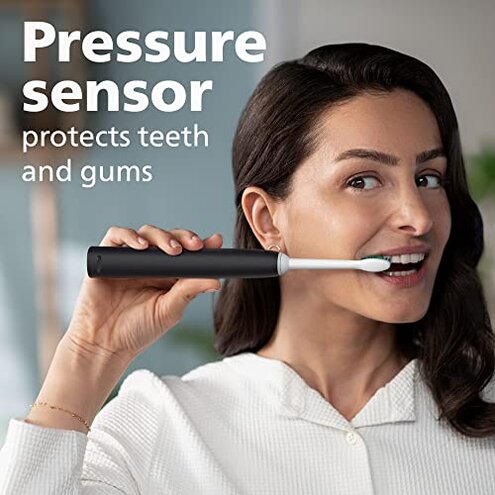
- Good fit for people who value a simple handle with pressure sensing more than charging convenience or the quietest brushing feel.
Expectation vs reality
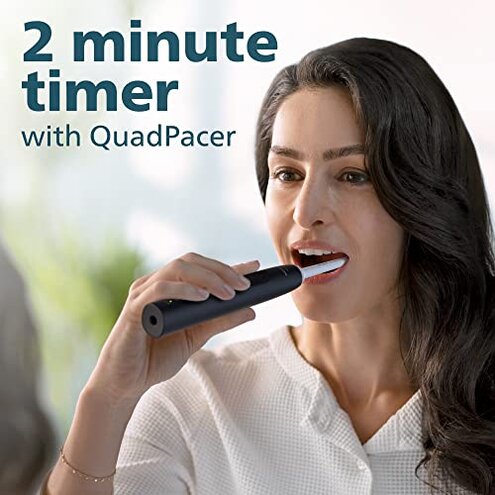
- Expectation: a rechargeable toothbrush should feel dependable daily for routine brushing. Reality: the main regret pattern is reliability drifting after repeated charging and regular use.
- Expectation: a sleek design should also mean simple setup. Reality: the USB charging approach can add more friction than buyers expect at unboxing.
- Expectation: some vibration is reasonable for this category. Reality: buyers sensitive to noise or harsh buzzing commonly find this one more noticeable than expected.
- Expectation: replacement heads are part of ownership. Reality: that normal upkeep feels worse when the handle itself does not inspire long-term confidence.
Safer alternatives
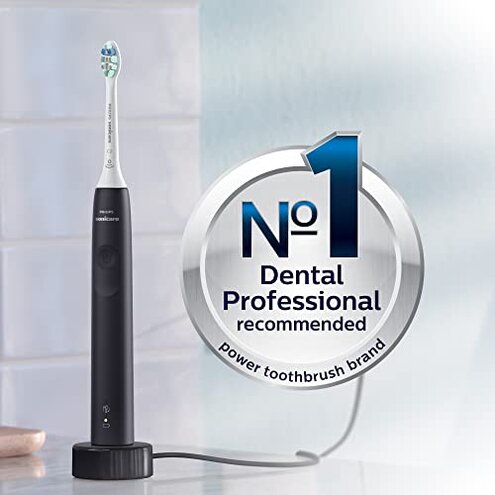
- Prioritize charging simplicity if you dislike hidden setup requirements, and look for a model with a more obvious everyday charging routine.
- Favor reliability history over sleek styling if early replacement would bother you, because the biggest risk here is long-term trust, not first-week cleaning power.
- Choose comfort-first tuning if you are sensitive to noise or vibration, since this model’s brushing feel is a recurring complaint rather than an edge case.
- Price the full system before buying, including replacement heads, so you do not end up committed to upkeep on a handle you may not trust later.
The bottom line
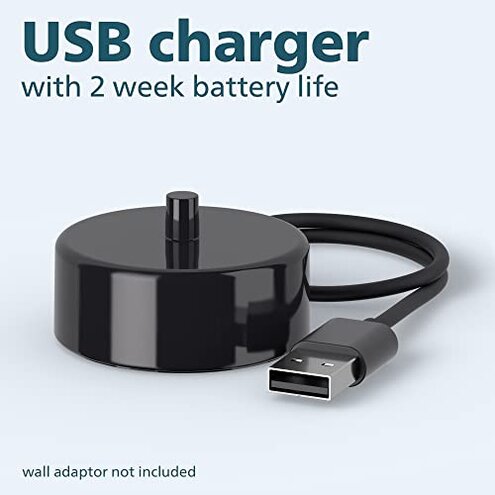
Main regret comes from reliability concerns that show up after setup and become harder to ignore with repeated daily use. That exceeds normal category risk because battery and charging complaints undermine the core benefit of a rechargeable toothbrush.
Verdict: if you want the safest low-hassle pick, this is easier to skip. It makes more sense only if you accept USB charging quirks and are comfortable trading some long-term confidence for the Sonicare brushing style.
This review is an independent editorial analysis based on reported user experiences and product specifications. NegReview.com does not sell products.