
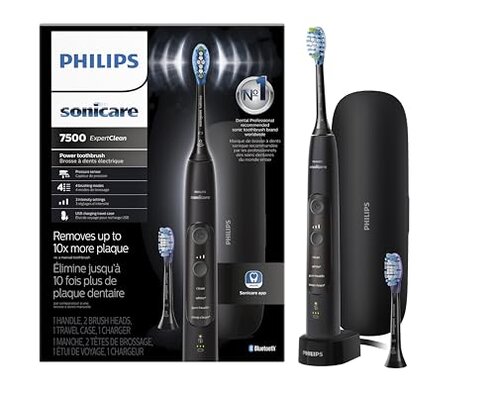
Product evaluated: Philips Sonicare ExpertClean 7500 Black, Rechargeable Electric Power Toothbrush, HX9690/05
Related Videos For You
How To Use An Electric Toothbrush **UPDATED VIDEO**
How to clean your Oral-B iO electric toothbrush to keep it at its best
Data basis: This report summarizes hundreds of buyer comments collected from written feedback and video demonstrations between 2019 and 2026. Most signals came from longer written ownership reports, with added context from short hands-on videos showing setup, app use, charging, and daily brushing habits.
| Buyer outcome | This product | Typical mid-range alternative |
|---|---|---|
| Daily cleaning feel | Usually strong cleaning, but the experience can feel overcomplicated once modes and app features enter daily use. | Plainer cleaning, but with fewer moving parts in the routine. |
| Setup effort | Higher setup friction after unboxing if you want the smart features to matter. | Lower setup burden with fewer extras to manage. |
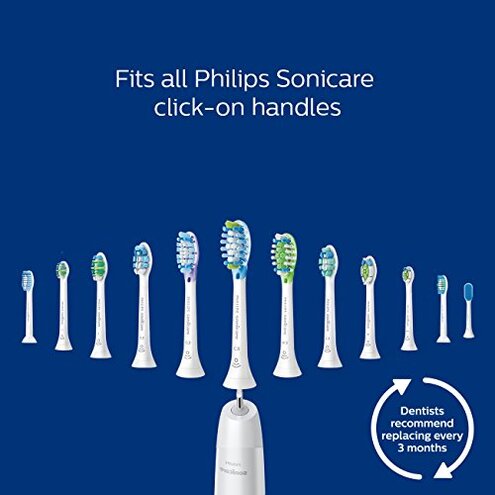
| Long-term cost | Higher-than-normal risk of regret because replacement heads and premium positioning raise the upkeep bar. | More predictable upkeep for buyers who just want powered brushing. |
| Travel convenience | Mixed because the case helps, but charging and accessory management add steps. | Simpler for buyers who do not want feature-related extras. |
| Regret trigger | Paying premium for features that may feel unnecessary or annoying during normal daily use. | Giving up extras but avoiding most premium-product friction. |
Do you really want a toothbrush that adds extra steps?
Primary issue: One recurring frustration is that the smart side can feel like work, not help. The regret usually appears after setup, when buyers realize they must manage modes, reminders, and app-related habits just to feel they are using it fully.
Pattern: This appears repeatedly in longer ownership feedback and is more disruptive than expected for this category. A powered toothbrush is usually supposed to reduce effort, but this one can feel less forgiving if you wanted a simple grab-and-brush routine.
- Early sign: If you already dislike paired-device setup, the extra learning curve shows up on first use.
- Frequency tier: This is a primary complaint, especially among buyers who expected premium convenience.
- When it hits: It becomes more noticeable during daily use, not just during unboxing.
- Impact: Some buyers stop using the smart features, which makes the premium price feel harder to justify.
- Hidden requirement: To get the advertised smart value, you often need willingness for ongoing app engagement, not just charging.
Illustrative: “I wanted cleaner teeth, not another thing to manage every morning.”
Pattern tier: This reflects a primary pattern.
Will the ongoing cost feel annoying faster than expected?
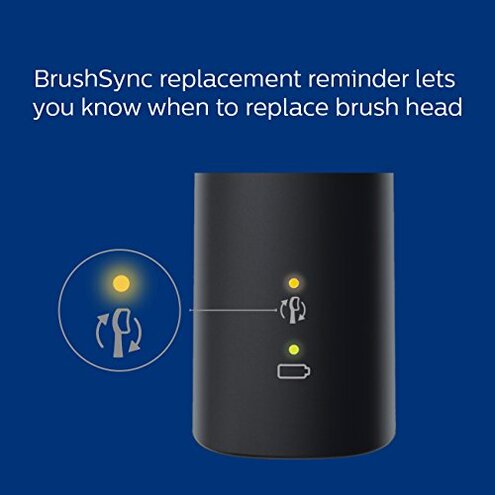
- Core problem: The upkeep cost is a recurring regret point once the included heads wear out.
- When it shows: This usually appears after repeated use, when replacement timing stops being theoretical.
- Pattern: It is a persistent secondary issue, less frequent than setup friction but more frustrating once ownership becomes routine.
- Why it stings: Premium toothbrushes already cost more, but this can feel higher effort and cost than many mid-range options that clean well enough.
- Real effect: Buyers may delay replacing heads, which undercuts the whole point of paying for a better brushing system.
- Trade-off: If you love the brushing feel, you may accept the cost, but value-focused shoppers often see faster regret.
- Fixability: This is only partly fixable because the long-term cost is tied to the product’s premium ecosystem.
Illustrative: “The brush is nice, but owning it feels expensive every time supplies run low.”
Pattern tier: This reflects a secondary pattern.
Could the pressure and intensity features still feel uncomfortable?
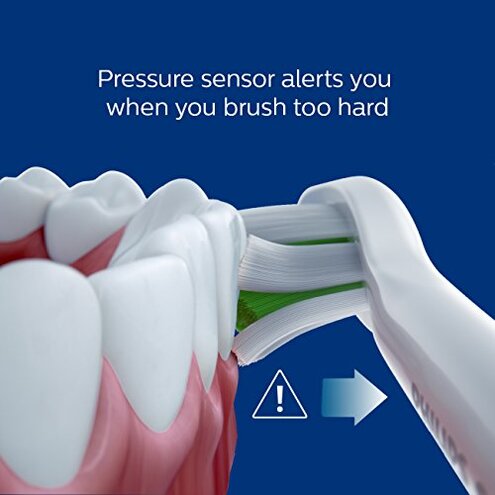
Recurring concern: Even with a pressure sensor and multiple intensities, some buyers still report a too-strong feel during early sessions. This tends to show up on first use or when moving from a manual brush.
Why it feels worse: In this category, some adjustment is normal, but premium controls create a reasonable expectation of easier comfort tuning. When comfort still takes trial and error, it feels more frustrating than expected.
- Trigger moment: The issue is worse during longer brushing sessions or with users who naturally brush hard.
- Pattern strength: This is a secondary issue, not universal, but it appears across multiple feedback styles.
- User-visible effect: Instead of feeling polished, the brush may feel aggressive until settings are dialed in.
- Attempted workaround: Buyers often reduce intensity or switch modes, which helps some but adds more trial-and-error time.
Illustrative: “Even on lower settings, it took me a while to stop feeling blasted.”
Pattern tier: This reflects a secondary pattern.
Does the travel-friendly pitch really stay convenient on the road?
- Edge-case issue: The included case helps, but the full travel experience can still feel less simple than buyers expect.
- When it happens: This shows up during trips, especially when charging and packing routines matter more.
- Pattern: It is an edge-case complaint, but it stays persistent among frequent travelers.
- Why it exceeds baseline: Travel-ready products in this category should reduce packing decisions, while this one can still leave buyers juggling extras and charging habits.
- Impact: The case solves one problem but does not fully remove the premium-device hassle.
- Who notices most: Buyers who travel often or want very low-maintenance gear tend to feel this more sharply.
Illustrative: “Nice case, but it still felt like carrying a toothbrush system.”
Pattern tier: This reflects an edge-case pattern.
Who should avoid this
- Avoid it if you want a powered toothbrush with almost no setup and no app-style thinking.
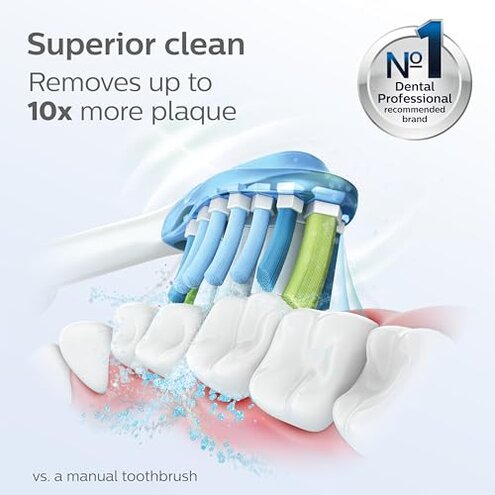
- Avoid it if replacement-head pricing usually bothers you, because the ownership cost can feel higher than normal.
- Avoid it if you are sensitive to strong brushing sensations and do not want to spend time tuning modes.
- Avoid it if you travel often and prefer gadgets with the fewest possible extras.
Who this is actually good for
- Good fit for buyers who like tracking habits and are willing to tolerate setup friction for more feedback.
- Good fit for shoppers who already expect premium oral-care products to come with higher upkeep.
- Good fit for users who enjoy testing modes and intensities until they find a preferred feel.
- Good fit for people who value the included case enough to accept some travel complexity.
Expectation vs reality
Expectation: A premium brush should feel easier to own day to day.
Reality: The smart features can add ongoing effort instead of removing it.
Expectation: Replacement costs are reasonable for this category.
Reality: The premium ecosystem can make upkeep feel worse than expected over time.
Expectation: Multiple modes should make comfort simple.
Reality: Some buyers still need trial and error before brushing feels gentle enough.
Safer alternatives
- Choose simpler if you do not want app involvement; a non-smart electric brush neutralizes the setup burden.
- Price the heads before buying; this directly reduces surprise from long-term upkeep cost.
- Prioritize gentleness if you are switching from manual brushing; look for models known for a softer first-use feel.
- Think travel routine before paying more for a case; simpler charging needs can avoid on-the-road friction.
The bottom line
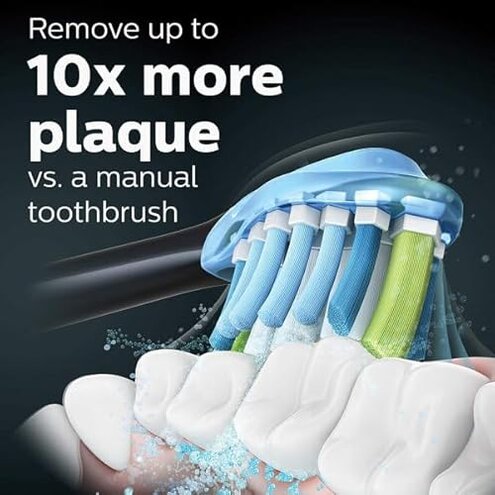
Main regret trigger: paying a premium price for a toothbrush that can feel more complicated and costly than daily brushing needs justify. The risk is higher than normal because a category that should save time can instead add setup, upkeep, and adjustment. If you want simple powered cleaning, this is a product many cautious buyers should skip.
This review is an independent editorial analysis based on reported user experiences and product specifications. NegReview.com does not sell products.