
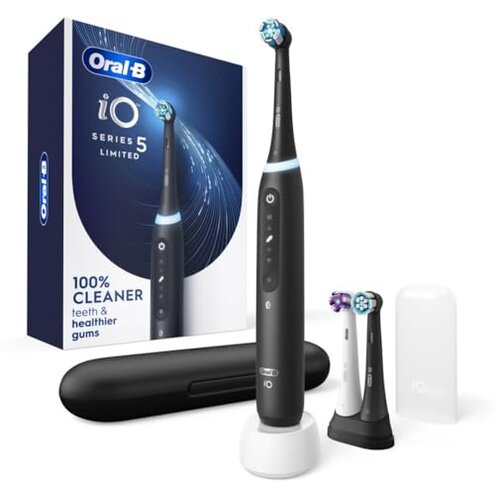
Product evaluated: Oral-B iO Deep Clean + Whiten Rechargeable Electric Toothbrush with Visible Pressure Sensor, 2 Minute Timer, 5 Cleaning Settings, 1 iO5 Limited, 3 Toothbrush Heads, Travel Case & Refill Holder, Black
Related Videos For You
How To Use An Electric Toothbrush **UPDATED VIDEO**
How to clean your Oral-B iO electric toothbrush to keep it at its best
Data basis: This report summarizes dozens of buyer comments gathered from written feedback and short video-style demonstrations collected across 2023 to 2026. Most input came from written reviews, with added support from visual setup and daily-use impressions, which helps separate first-week excitement from problems that show up during regular brushing.
| Buyer outcome | This toothbrush | Typical mid-range alternative |
|---|---|---|
| Setup effort | Higher if you want app tracking and all features working smoothly. | Lower because basic brushing usually works fine without extra setup. |
| Charging confidence | Mixed because battery and charging complaints appear repeatedly after regular use. | More predictable with fewer feature-related frustrations. |
| Daily convenience | Less forgiving when you want a simple grab-and-brush routine. | Easier for buyers who do not want connected features. |
| Ownership cost | Higher-than-normal risk because replacement heads and premium ecosystem costs can sting more at this price. | Usually lower with broader refill options. |
| Regret trigger | Paying premium price but still dealing with charging, app, or upkeep friction. | Usually regret comes from weaker cleaning, not extra hassle. |
Do you want a simple toothbrush, not a setup project?
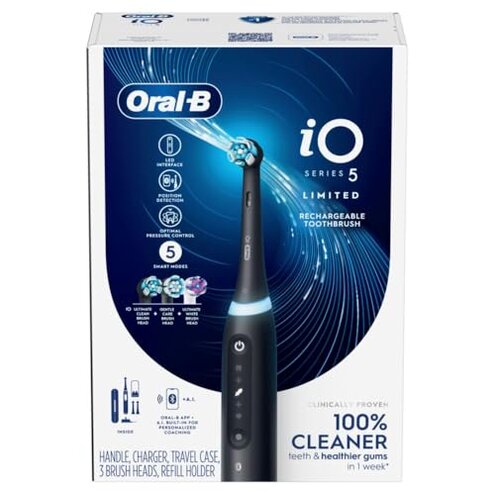
This is one of the more common frustration points for buyers who expected premium convenience. The regret usually starts after setup, when pairing, tracking, or feature prompts add steps to a task that should feel automatic.
The pattern looks recurring rather than universal. Buyers who ignore the app often report fewer headaches, but that also means paying for features they may not use.
Why it feels worse: Smart brushes in this price range are expected to stay out of the way. This one can feel less seamless than a typical mid-range electric brush when the connected side matters to you.
Illustrative: “I bought a toothbrush, not another thing to troubleshoot.”
Pattern: This reflects a primary complaint about setup friction.
Illustrative: “It cleans well, but the app part got old fast.”
Pattern: This reflects a secondary complaint tied to feature fatigue.
Worried the battery or charging experience may not stay dependable?
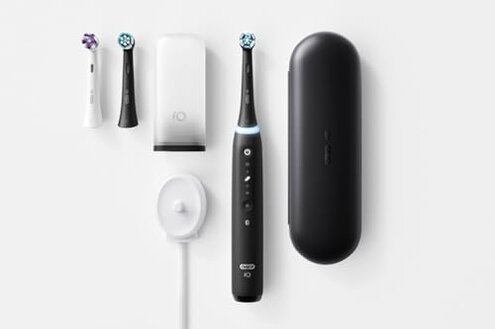
- Frequency tier: Battery and charging complaints are a primary issue and appear repeatedly in longer-use feedback.
- When it shows up: The frustration usually appears after repeated use, not always on day one.
- What buyers notice: The brush may seem to need charging more often than expected for a premium model.
- Why this matters: A toothbrush becomes annoying fast when you have to think about power during a rushed morning or trip.
- Category contrast: Rechargeable brushes always need charging, but this feels more disruptive than expected because the product is positioned as a premium daily-use tool.
- Travel impact: The included case helps with packing, but it does not erase the dependability concern if battery confidence drops.
- Fixability: Charging habits can reduce hassle, but they do not fully solve complaints from buyers who expected set-and-forget reliability.
Does the premium price make the refill cost feel harder to accept?
- Pattern statement: Refill cost is a secondary issue, but it becomes more frustrating because it continues for the life of the brush.
- Usage moment: The regret usually hits after the first replacement cycle, when the included heads run out.
- Hidden requirement: You are not just buying a handle. You are also buying into an ongoing head system that can cost more than many shoppers expect.
- Why it stings: At roughly $99.99, buyers often expect lower ongoing friction after the starter bundle is used up.
- Category contrast: Refill heads are normal for electric brushes, but this system can feel costlier than typical mid-range options.
- Buyer impact: Some shoppers end up brushing with older heads longer than they planned, which defeats part of the premium-care promise.
Illustrative: “The brush was expensive, then the heads kept the cost going.”
Pattern: This reflects a secondary complaint about ownership cost.
Is the cleaning experience stronger, but also less comfortable than you expected?
- Early sign: Some buyers notice the brush feels very intense on first use, especially if switching from a softer or basic electric model.
- Pattern level: Comfort complaints are less frequent than battery or app issues, but still persistent enough to matter.
- When it happens: This usually shows up during the first week or when using stronger modes.
- Worse conditions: The issue can feel stronger during long sessions or if you are still learning pressure and angle.
- Trade-off: Buyers often like the strong clean, but some feel the brush is less gentle than expected during the adjustment period.
- Category contrast: Electric brushes can feel different at first, but premium models are usually expected to be easier to adapt to.
- Attempted fix: Lighter pressure and softer modes may help, but that adds a learning curve some shoppers did not want.
- Best reading: This is an edge-case issue for experienced electric-brush users, but more noticeable for sensitive users or first-time upgraders.
Illustrative: “It felt powerful, but not pleasant for the first several brushes.”
Pattern: This reflects an edge-case comfort adjustment problem.
Who should avoid this
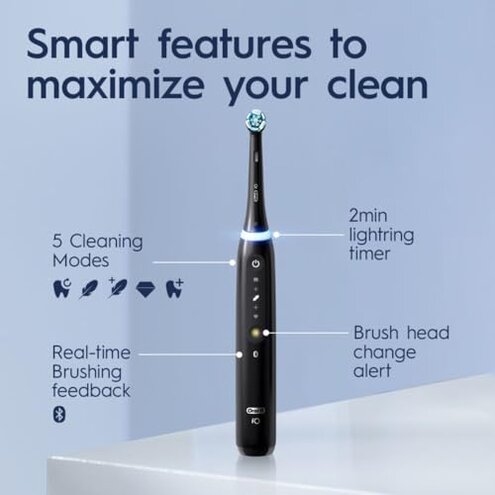
- Avoid it if you want a toothbrush that works well without any interest in app pairing or tracking.
- Avoid it if battery predictability matters more to you than extra brushing modes.
- Avoid it if you are price-sensitive about long-term ownership, not just the upfront bundle.
- Avoid it if your gums or teeth are sensitive and you dislike a steeper adjustment period.
Who this is actually good for
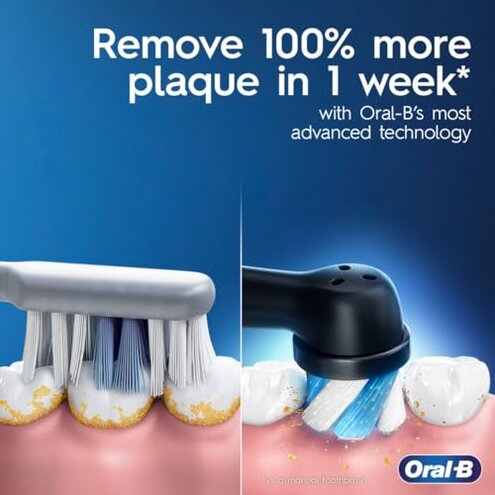
- Good fit if you already like stronger electric brushing and are willing to adapt to the feel.
- Good fit if you will actually use pressure guidance and app tracking enough to justify the added setup.
- Good fit if you value the included extras and do not mind paying more for replacement heads later.
- Good fit if you accept premium brushes sometimes trade simplicity for more feedback features.
Expectation vs reality
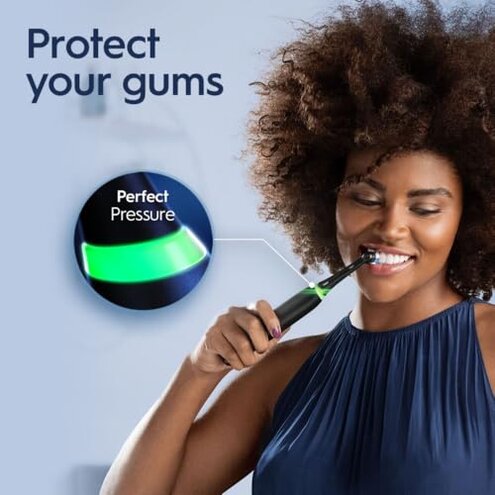
Expectation: A premium electric brush should feel easier than a basic model from the first day.
Reality: This one can ask for more setup and adjustment, especially if you use the connected features.
Expectation: Battery care is reasonable for this category, but it should not become something you think about often.
Reality: Repeated charging complaints make the ownership experience feel worse than expected for a premium daily-use brush.
Expectation: The starter bundle should soften the total cost.
Reality: The bundle helps early, but the refill commitment can create regret later.
Safer alternatives
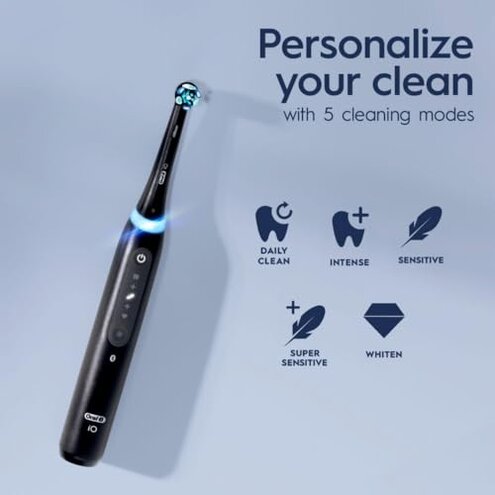
- Choose simpler if you do not care about tracking, because a non-app electric brush avoids the biggest setup-related failure here.
- Check refill pricing before buying, because long-term head cost is one of the clearest hidden commitments with premium systems.
- Prioritize battery reputation over extra modes if you travel often or hate charging surprises.
- Start with gentler options if you have sensitivity, because a strong-clean brush with multiple modes can still feel harsh during the adjustment period.
The bottom line
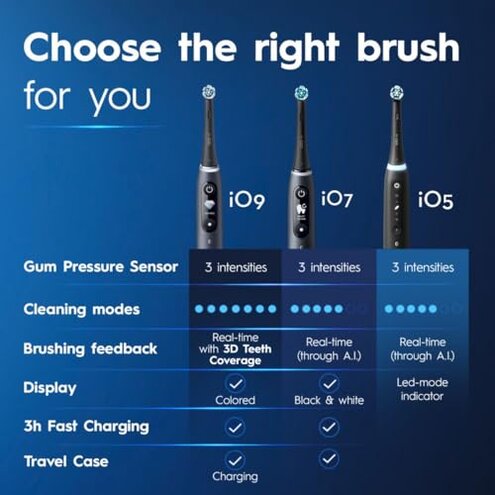
Main regret comes from paying premium money and then dealing with more friction than expected, especially around app usefulness, charging confidence, and refill cost. Those risks feel higher than normal versus a typical mid-range electric brush, where the trade-off is usually fewer features, not extra hassle. If you want strong cleaning and like guided features, it may still fit. If you want simple, dependable brushing with fewer strings attached, this is easier to skip.
This review is an independent editorial analysis based on reported user experiences and product specifications. NegReview.com does not sell products.