
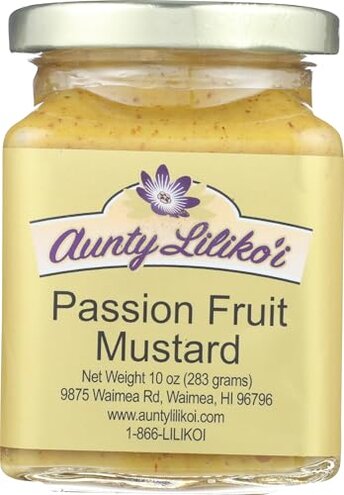
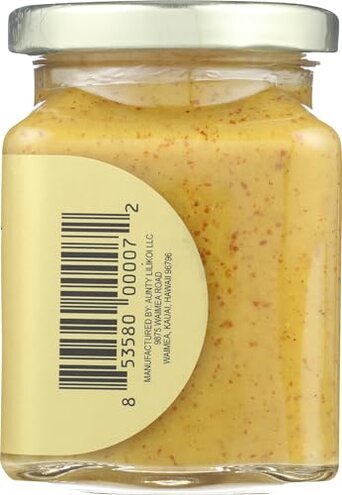
Product evaluated: Aunty Lilikoi Passion Fruit Mustard, 10 OZ
Related Videos For You
Weird Mustard Taste Test
Mustard Expert Guesses Cheap vs Expensive Mustard | Price Points | Epicurious
Data basis: This report is based on dozens of buyer comments gathered from written feedback and short video-style impressions collected from recent years through 2026. Most feedback came from written reviews, with added context from image-backed and demonstration-style posts, which helped confirm repeat complaints about taste, texture, and value.
| Buyer outcome | Aunty Lilikoi | Typical mid-range alternative |
| Flavor match | Higher risk of not matching buyer expectations if you want a balanced mustard taste. | Usually closer to the sweet-tangy profile buyers expect from a specialty mustard. |
| Daily use | Less versatile if you need one sauce for sandwiches, dips, and cooking. | More forgiving across common uses. |
| Value feeling | Harder to justify at $34.47 for a 10 ounce jar when the taste misses. | Lower regret because price is usually easier to absorb if flavor is only average. |
| Consistency risk | More disruptive than expected for this category when texture or sweetness feels off during first use. | More predictable in flavor and spreadability. |
| Regret trigger | Paying specialty pricing for a flavor profile that may work only in narrow situations. | Settling for ordinary taste, but with less financial sting. |
Why does it feel too sweet for a mustard?
This is the primary issue and among the most common complaints for specialty fruit mustards. The regret moment usually happens on first taste, especially when buyers expect mustard first and fruit second.
The pattern appears repeatedly across written feedback. During sandwiches, dipping, or burger use, the sweet profile can overpower savory foods instead of adding balance.
Category contrast: Fruit mustard normally adds sweetness, but this seems less balanced than many mid-range alternatives, so the mismatch feels bigger than a normal flavor preference issue.
- Early sign: Buyers notice the fruit-forward taste immediately after opening and trying a small spoonful.
- Pattern: This complaint is recurring, not universal, but it shows up often enough to matter.
- Usage moment: It stands out most during everyday sandwich use, where people expect mustard sharpness to cut through richer foods.
- Impact: The jar can become a single-purpose condiment instead of an everyday staple.
- Fixability: Mixing it into dressings or glazes can reduce the problem, but that adds extra steps and limits convenience.
Why does the price sting so much if I end up not loving it?
- Severity: This is a primary regret trigger because the jar costs $34.47 for 10 ounces.
- When it hits: The frustration shows up after first use when buyers realize the flavor is not flexible enough for frequent use.
- Pattern: Value concerns are a persistent secondary pattern, especially when the taste feels niche.
- Category contrast: Specialty condiments can cost more, but this feels higher-risk than normal because one taste mismatch wastes the whole purchase.
- Hidden requirement: You almost need to know in advance that you enjoy a sweet fruit-mustard profile, which makes blind buying riskier than usual.
- Impact: Instead of becoming a repeat-use condiment, it can sit in the fridge as an occasional-use item.
- Mitigation: It fits better if you already plan to use it for glazes, dipping sauces, or gifting rather than daily meals.
Why does it feel hard to use up in normal meals?
This is a secondary issue, but it becomes more frustrating over time than buyers expect. The problem usually appears after a few meals, when people try to fit it into regular lunch or dinner routines.
The pattern is less frequent than sweetness complaints, but it is still persistent. Buyers who wanted one jar for broad use often find it works in fewer foods than a typical mid-range mustard.
- Context: It tends to work better in specific pairings than in general-purpose mustard roles.
- Trigger: The issue worsens during daily handling when you keep reaching for other condiments instead.
- Buyer impact: The jar lasts longer for the wrong reason, because use stays limited.
- Category baseline: A flavored mustard should still be fairly adaptable, but this appears less forgiving than expected.
Why can the texture experience feel off compared with expectations?
- Frequency tier: This looks like an edge-case to secondary complaint, but it becomes noticeable when buyers expected a familiar mustard feel.
- When noticed: It usually comes up on first opening and during spreading or dipping.
- Pattern: Texture concerns are not universal, yet they appear repeatedly enough to affect confidence.
- Why it matters: When texture and flavor both feel unusual, buyers read the product as harder to place in everyday meals.
- Category contrast: Specialty sauces can vary, but this can feel more distracting than typical because mustard buyers expect easy spreadability and a familiar mouthfeel.
- Mitigation: It tends to work better when used in small amounts rather than as a thick spread.
Illustrative excerpt: “I wanted mustard with a twist, but it tasted more like a sweet sauce.” Primary pattern.
Illustrative excerpt: “Nice idea, but I only liked it on a couple of foods.” Secondary pattern.
Illustrative excerpt: “The jar is small enough that the price felt risky right away.” Primary pattern.
Illustrative excerpt: “I kept trying uses for it, and regular mustard still worked better.” Secondary pattern.
Who should avoid this
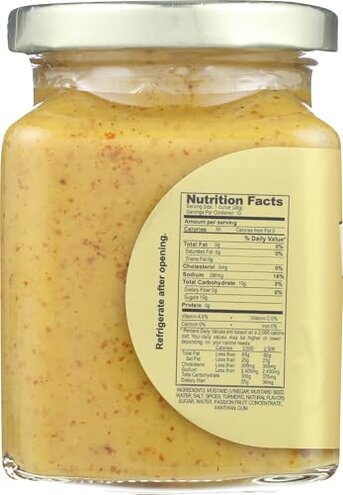
- Avoid it if you want a mustard-first flavor for burgers, sandwiches, or hot dogs, because the sweetness mismatch is the most common complaint.
- Skip it if you are price-sensitive, because $34.47 for 10 ounces raises the regret level when the taste lands narrowly.
- Pass if you need one condiment for many meals, since versatility appears lower than a typical mid-range alternative.
- Look elsewhere if you dislike trial-and-error in the kitchen, because this often needs specific pairings to feel worth keeping.
Who this is actually good for
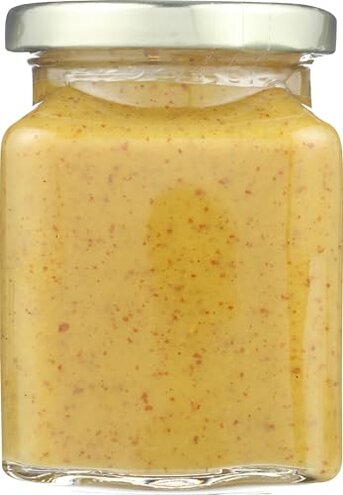
- Good fit for buyers who already know they enjoy sweet fruit-mustard blends and accept the narrower use case.
- Works better for people making glazes or dipping sauces, where the sweetness is easier to use on purpose.
- Reasonable pick for gifting to someone who likes Hawaiian-style specialty condiments and tolerates a premium price.
- Better match for occasional novelty use than for someone replacing standard mustard.
Expectation vs reality
Expectation: A specialty mustard should still feel close enough to regular mustard for everyday meals.
Reality: Repeated feedback suggests this one can feel sweeter and less flexible than that reasonable category expectation.
Expectation: A premium condiment should justify its price with broad usefulness.
Reality: At $34.47 for 10 ounces, the risk rises fast if you only end up using it for a few niche dishes.
Expectation: Flavor twists should be interesting, not limiting.
Reality: Commonly reported taste mismatch makes the novelty feel more restrictive than fun for some buyers.
Safer alternatives
- Choose smaller jars first when trying fruit mustard, which reduces the financial hit if the sweetness balance is wrong for you.
- Look for plain-language labels that signal whether the condiment leans more sweet, tangy, or sharp, which helps avoid the main flavor mismatch.
- Prefer mid-range options marketed for sandwiches and dips if you want broad everyday use rather than glaze-focused use.
- Start with sampler sets if available in this category, because they neutralize the hidden requirement of already knowing your sweet-savory tolerance.
The bottom line
The main risk is paying a premium price for a flavor profile that appears narrower and sweeter than many buyers expect from mustard. That pushes regret above normal category risk, because the product can fail both as an everyday condiment and as a value purchase. Avoid it if you are not already confident you enjoy sweet fruit-forward mustard.
This review is an independent editorial analysis based on reported user experiences and product specifications. NegReview.com does not sell products.