

Product evaluated: DINGSEN Glass Etch Paste Kit - 300g, Create Permanently Stunning Designs on Glass Surfaces, Perfect for DIY Mirrors, Windows, Glassware
Related Videos For You
How to Etch Glass the Easy Way (Armour Etch & Vinyl Decals!)
Data basis: This report draws on dozens of buyer comments gathered from written feedback and short video-style demonstrations collected across the recent retail period through April 2026. Most feedback came from written impressions, with visual examples helping confirm where problems showed up during first use and rinse-off.
| Buyer outcome | DINGSEN paste | Typical mid-range option |
|---|---|---|
| First-use consistency | Higher risk of patchy or lighter-than-expected frosting if application is not very even | Usually more forgiving during basic stencil work |
| Setup effort | Extra prep matters more, including testing glass type and controlling spread | Moderate prep, but less likely to punish small mistakes |
| Result on unknown glass | Less predictable, especially when buyers assume all glass reacts the same | More stable on common household glass categories |
| Cleanup and rework | More frustrating because weak or uneven etching often means repeating the whole process | Lower rework risk for simple designs |
| Regret trigger | Wasting time on a permanent result that still looks unfinished | Usually regret is more about mess than final appearance |
Why does the frosted design look patchy right after rinsing?
Patchiness appears to be the primary issue, and it is among the most common complaints for this type of craft product. The regret moment happens after first use, when the glass dries and the design looks streaky instead of clean.
Recurring reports describe uneven frosting during stencil projects, especially when the layer is spread too thin or sits unevenly for the short working time. Compared with a reasonable category baseline, this feels less forgiving than many mid-range etching products.
- Early sign: The cream looks uneven on the surface before rinsing, and those thin spots often show up as light patches later.
- Pattern tier: This is the primary issue, appearing repeatedly across different kinds of glass decor attempts.
- Usage moment: It shows up during rinse-off and becomes clearer once the glass fully dries.
- Impact: The design can look homemade in a bad way, not intentionally frosted.
- Buyer attempt: Many people try a second pass, but that adds extra time and can still leave inconsistent edges.
- Why worse: Most buyers expect some mess from etching paste, but not such a visible chance of uneven final results.
Illustrative: “I followed the steps, but the letters dried with cloudy light spots.”
Pattern: This reflects a primary complaint because it matches the most repeated frustration.
Why does it seem weak on some glass pieces?
- Hidden requirement: The product description itself says it is not applicable to high boron, quartz, and superhard glass.
- Real-world problem: Buyers often do not know what kind of glass they own before starting a mug, frame, or mirror project.
- When it hits: The failure appears on first test, especially on drinkware and decorative pieces with unclear glass type.
- Frequency tier: This is a secondary issue, less frequent than patchiness but more frustrating when it occurs.
- Impact: The paste may leave a faint effect or almost no visible design, which feels like wasted product.
- Why worse: Typical mid-range alternatives still require glass checks, but this one carries a higher-than-normal compatibility risk for casual buyers.
- Fixability: There is no easy fix if the glass type is the problem, because repeating the process may change very little.
Illustrative: “It barely showed up on my cup, so I thought I used it wrong.”
Pattern: This reflects a secondary pattern tied to unclear glass compatibility.
Does the ‘easy to use’ promise hide extra steps?
Yes, sometimes. The product is presented as simple, with a stated wait time of 3–5 minutes, but repeated feedback patterns suggest successful use often needs more testing than beginners expect.
The friction shows up during setup, not just application. Buyers who jump straight into a final project without a test piece are more likely to get a disappointing permanent result.
- Primary trap: The short process makes it sound like a quick craft, but prep quality matters a lot.
- Usage context: This gets worse when users work on curved glass, detailed stencils, or large designs in one session.
- Buyer effort: You may need a test item, careful masking, even spreading, and close timing.
- Why it stings: That is more setup than many people expect from a beginner-friendly home DIY kit.
- Category contrast: Etching paste always needs care, but this one appears more technique-sensitive than a typical mid-range option.
Illustrative: “It works, but only if you treat the first project like practice.”
Pattern: This reflects a primary frustration because hidden setup effort drives regret.
What if you want sharp, gift-ready results the first time?
- Expectation gap: Buyers often purchase this for custom gifts, but the permanent finish means mistakes stay visible.
- When it matters: The disappointment is strongest after cleanup, when edge quality and frost depth become obvious.
- Frequency tier: This is a secondary issue connected to the main consistency problem.
- Real impact: A rushed project can end up looking like a test run instead of a present.
- Less universal: Not every buyer has this problem, especially on simple shapes and bold stencils.
- Why worse: In this category, a little imperfection is normal, but permanent visible flaws are more disruptive than expected.
- Mitigation: It is safer for casual craft pieces than for one-shot keepsakes.
Illustrative: “Good enough for practice jars, not the wedding glasses I planned.”
Pattern: This reflects a secondary regret pattern tied to final presentation pressure.
Who should avoid this
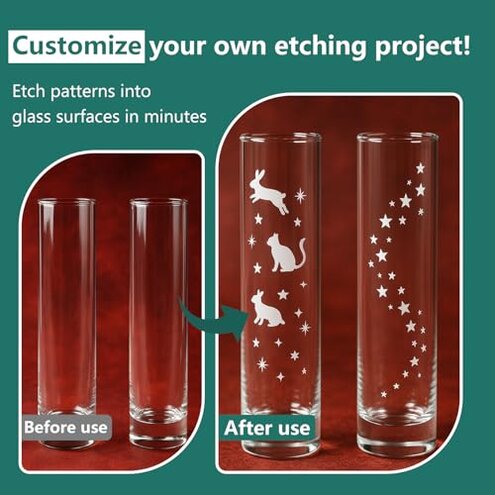
- Beginners who want a one-try success should avoid it, because the hidden need for testing exceeds normal beginner tolerance.
- Gift makers should be cautious if the first finished piece must look polished, since patchy frosting is the main regret trigger.
- Shoppers with unknown glassware should skip it if they cannot confirm glass type, because compatibility limits can leave weak results.
- Fast crafters may get frustrated if they dislike prep work, since this appears less forgiving than many mid-range options.
Who this is actually good for
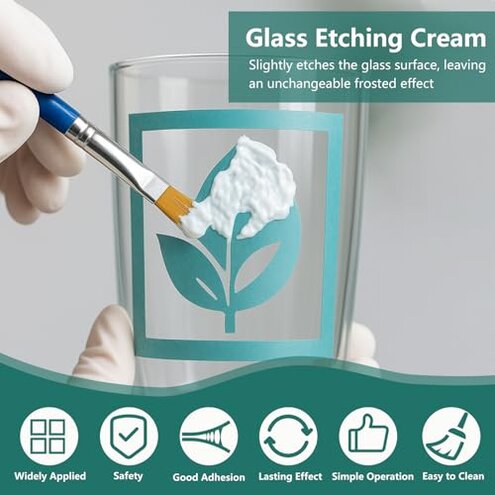
- Practice-first hobbyists can still like it if they are willing to test on spare glass before the real project.
- Simple stencil users may do fine when the design is bold, the surface is flat, and perfect edge detail is not critical.
- Casual decorators may accept the risk if the item is for home use and not a special gift.
- Patient DIY users can tolerate the technique sensitivity if they already expect extra masking, timing, and repeat attempts.
Expectation vs reality

Expectation: A water-based home kit should give an easy frosted effect in a few minutes.
Reality: The short timing can be real, but consistent results often depend on better prep and more even application than expected.
Expectation: Reasonable for this category, some minor variation is normal.
Reality: Here, the severity of visible unevenness appears worse than a normal small-craft learning curve.
Expectation: Most household glass should respond similarly enough for a basic DIY project.
Reality: The stated glass exclusions create a bigger compatibility gamble than many casual buyers realize.
Safer alternatives
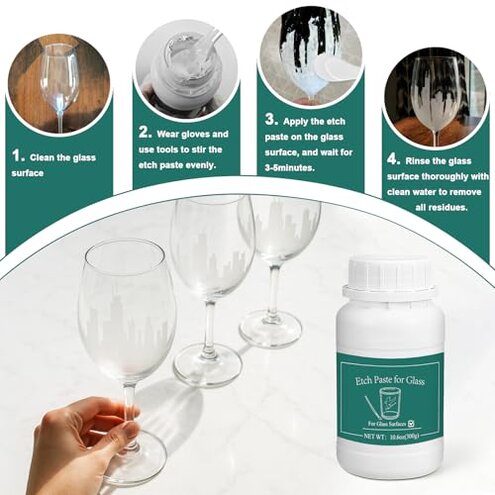
- Choose forgiving formulas marketed for beginner stencil work if your main concern is patchy first-use results.
- Buy smaller test-size options first if you cannot identify your glass type, which lowers the cost of compatibility mistakes.
- Use removable frosted film instead of etching paste if you need neat gift-ready looks without permanent risk.
- Pick kits with detailed guides and project examples if hidden setup steps usually trip you up.
The bottom line
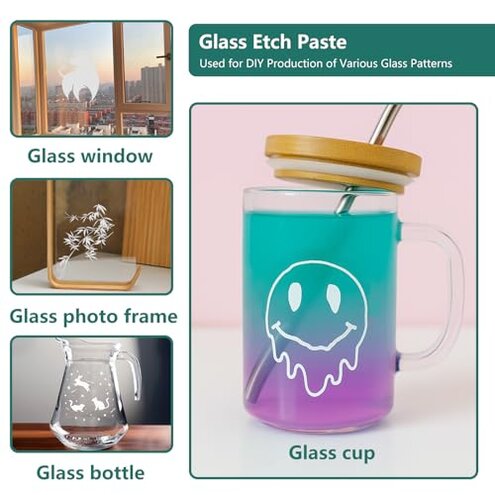
Main regret comes from spending time on a permanent design that dries uneven or too faint. That risk feels higher than normal for this category because the product seems simple, yet repeated feedback patterns point to stricter technique and glass-type demands. Avoid it if you need polished first-try results or do not know your glass type.
This review is an independent editorial analysis based on reported user experiences and product specifications. NegReview.com does not sell products.