
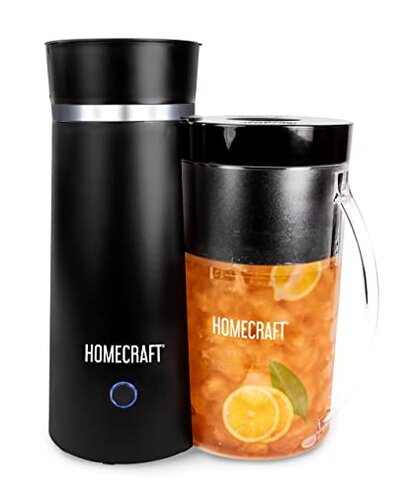
Product evaluated: Homecraft Electric Iced Tea Maker for Sweet Tea and Cold Brew Coffee, Double Insulated Pitcher, Black, Small
Related Videos For You
BUNN ICB Coffee Brewer: Programming for Iced Tea
HOW TO DESCALE / CLEAN WITH VINEGAR Mr Coffee 2 Quart ICED TEA Pot & ICED Coffee Maker TM1
Data basis: This report combines dozens of buyer comments gathered from written feedback and video-style demonstrations collected from 2023 to 2026. Most signals came from longer written experiences, with shorter setup and first-use clips helping confirm where the frustration shows up during normal kitchen use.
| Buyer outcome | Homecraft | Typical mid-range alternative |
|---|---|---|
| Brew convenience | More conditional; results depend heavily on careful ice and water setup. | More forgiving; small measuring mistakes usually do less harm. |
| Cleanup effort | Higher; drip and residue complaints appear repeatedly after daily use. | Moderate; some cleanup is expected, but less often called messy. |
| Consistency | Less reliable; strength and dilution concerns are a primary issue. | Steadier; still varies, but usually lands closer to expected flavor. |
| Durability confidence | Mixed; less frequent than taste issues, but more frustrating when it fails. | More typical; wear happens, but complaints are less disruptive. |
| Regret trigger | Extra steps for a drink that may still taste weak or create cleanup. | Lower risk; trade-offs are usually easier to accept for this category. |
Why does it feel fussy just to make one pitcher?
This is among the most common complaints. The regret moment shows up right after setup, when buyers expect a simple iced tea maker but run into a process that feels less forgiving than expected.
Pattern: This issue appears repeatedly, especially during first uses and rushed weekday brewing. In this category, some setup care is normal, but buyers describe this one as needing more attention than a typical mid-range machine.
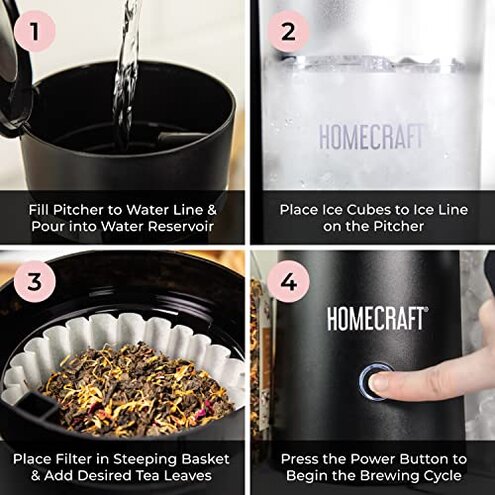
- Early sign: You need to re-read the steps because the water, ice, and brew basket order matters more than expected.
- Frequency tier: This is a primary issue, not universal, but recurring across multiple feedback styles.
- Usage moment: It shows up during setup and gets worse when you are trying to brew quickly before work or meals.
- Cause: The machine brews into the pitcher, so small prep mistakes can change the final drink more than buyers expect.
- Impact: The extra attention removes the main reason many people buy this category, which is quick and easy iced tea.
- Hidden requirement: You need to learn a specific routine to avoid weak flavor, which is more effort than the product appearance suggests.
- Fixability: Careful measuring helps, but it does not fully solve the frustration for buyers wanting push-button simplicity.
Why does the tea or coffee come out weaker than expected?
Weak flavor is a primary complaint and often the bigger regret than the machine itself. The problem appears after the first brew, when the drink is ready fast but tastes more diluted than buyers expected.
Pattern: This is a recurring issue during daily use, especially when following the basic process without much trial and error. A little strength adjustment is normal for this category, but buyers commonly felt this unit needed more tweaking than mid-range alternatives.
- Severity: This is among the most disruptive complaints because it undermines the whole point of brewing at home.
- Context: It shows up after brewing, especially when users expect strong sweet tea or noticeable coffee flavor over ice.
- Worsens when: It gets more obvious when the pitcher has more ice or when buyers use the same amount they would use elsewhere.
- User-visible result: The drink can taste watered down, forcing another batch or extra tea bags or grounds.
- Trade-off: Fast brewing under 10 minutes sounds good, but buyers often felt speed came at the cost of flavor consistency.
- Attempted fixes: People commonly try adding more brew material or changing the ice balance, which adds time and guesswork.
Illustrative excerpt: “Looked easy, but my first pitcher tasted like melted ice.” Primary pattern, because flavor dilution appears repeatedly.
Why is cleanup more annoying than a simple tea maker should be?
Cleanup hassle is a secondary issue, but it becomes a bigger deal with regular use. Buyers often notice it after the novelty wears off and the machine becomes part of a daily kitchen routine.
Pattern: This complaint is persistent rather than universal. In a category where some rinsing is expected, this machine is often described as messier than normal because drips and brew residue add repeated small chores.
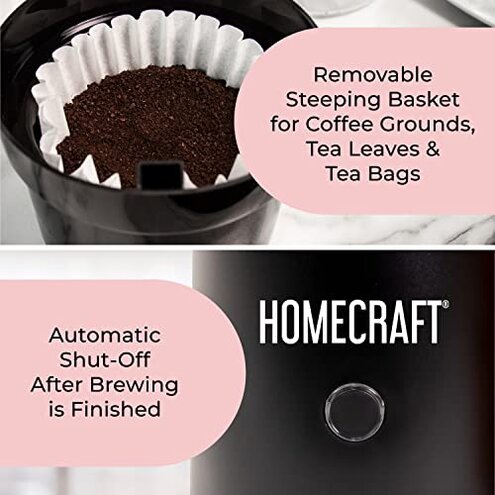
- Mess point: Drips and damp residue are commonly reported right after pouring or removing the brew basket.
- Frequency tier: This is a secondary issue, less common than weak taste, but more frustrating over time.
- Usage context: It worsens with daily handling because minor messes become repeated cleanup work.
- Buyer impact: Counter wiping and extra rinsing can erase the convenience advantage of having a dedicated machine.
- Category contrast: Many iced tea makers need a quick rinse, but this one appears less tidy than a typical mid-range option.
Illustrative excerpt: “Every batch means wiping the counter too, not just washing the pitcher.” Secondary pattern, because cleanup complaints are repeated but not dominant.
What if it works at first, then becomes a reliability gamble?
Durability worry is not the main complaint, but it creates the harshest regret when it happens. The issue tends to appear after repeated use, when buyers feel they already invested time learning the machine’s routine.
Pattern: This is an edge-case to secondary issue, depending on usage frequency. Small appliances can fail eventually, but complaints here feel worse because buyers were already tolerating flavor and cleanup trade-offs.
- When it appears: It shows up after repeated use, not usually as the first frustration.
- Severity: It is less frequent than weak brewing, but more frustrating when it occurs because the appliance becomes unusable.
- Compounding factor: Buyers who adjusted recipes and cleanup habits feel more let down if reliability drops later.
- Category baseline: Mid-range alternatives are not perfect, but buyers usually expect longer confidence than this pattern suggests.
- Fixability: There is little practical home fix if the brewing function stops behaving normally.
- Regret trigger: The machine asks for routine and attention upfront, so later failure feels harder to forgive.
- Buyer lesson: This matters most for households planning frequent batches, not occasional summer use.
Illustrative excerpt: “I finally figured out the right brew, then the machine became unreliable.” Edge-case pattern, because durability complaints are less frequent but severe.
Illustrative excerpt: “It only works smoothly if you babysit the setup every time.” Primary pattern, because extra process control shows up repeatedly.
Who should avoid this
- Avoid it if you want one-button convenience, because the setup routine appears less forgiving than normal for this category.
- Avoid it if weak or diluted tea would bother you, since flavor inconsistency is the primary complaint during real daily use.
- Avoid it if you make iced drinks often, because repeated drips and cleanup effort become more irritating over time.
- Avoid it if you buy small appliances expecting low-effort reliability, since later failure is less frequent but sharper when it happens.
Who this is actually good for
- Good fit for occasional users who make a pitcher now and then and can tolerate a little trial and error.
- Good fit for buyers with tight storage space, if they accept the trade-off of more careful setup.
- Good fit for people willing to adjust brew amounts, because they may work around the weak-flavor complaint with experimentation.
- Good fit for shoppers focused on lower upfront cost who understand the convenience trade-offs may be larger than expected.
Expectation vs reality
Expectation: A dedicated iced tea maker should save time and remove guesswork.
Reality: This one often adds process sensitivity, so small setup mistakes can change flavor or create extra cleanup.
Expectation: Fast brewing should still produce a full-flavor pitcher.
Reality: Buyers commonly report dilution risk, which can force recipe tweaking instead of true convenience.
Reasonable for this category: Some cleanup and recipe adjustment are normal.
Worse here: The effort appears more frequent than expected for a typical mid-range iced tea maker, especially with regular use.
Safer alternatives
- Choose models known for more forgiving brew ratios if flavor consistency matters more than compact size.
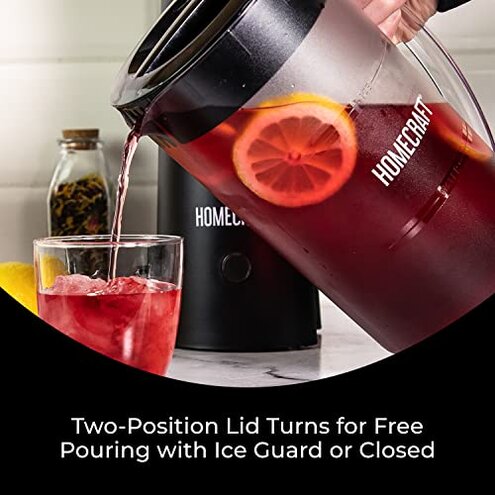
- Look for a design with cleaner pouring and easier basket handling to reduce repeated counter mess.
- Prioritize appliances with simple fill lines and clearer routine steps if you do not want a hidden learning curve.
- Consider a basic cold brew pitcher or simpler steep-and-chill option if reliability matters more than speed.
The bottom line
Main regret comes from the gap between easy-looking setup and the extra attention needed to get a strong, clean batch. That risk is higher than normal for this category because the product can ask for more tweaking, more cleanup, and still leave some buyers with weak results. Verdict: skip it if you want dependable convenience, and only consider it if you are comfortable dialing in a routine.
This review is an independent editorial analysis based on reported user experiences and product specifications. NegReview.com does not sell products.