
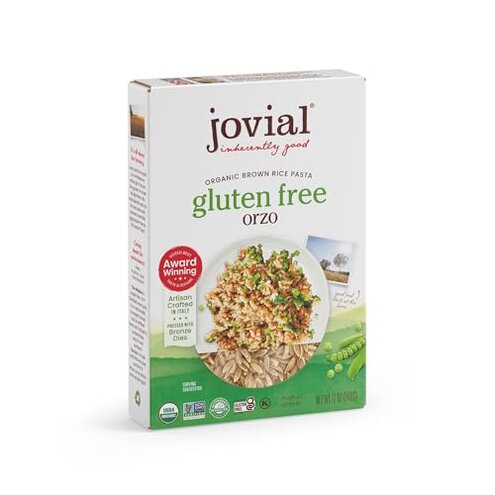
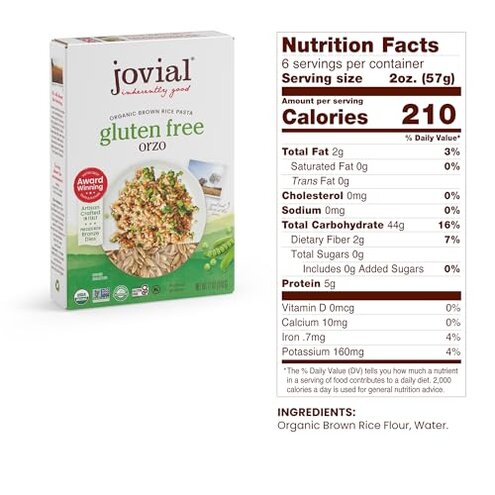
Product evaluated: Jovial Organic Brown Rice Orzo Pasta - Gluten Free Whole Grain Orzo, Dairy Free, Made with 2 Ingredients, Non GMO, Artisan Crafted in Italy - 12 Oz (6 Pack)
Related Videos For You
Gluten-Free Pasta | Basics with Babish
NEW Banza Brown Rice Pasta
Data basis for this report comes from dozens of buyer comments gathered between 2024 and 2026. Most feedback came from written reviews, with added context from photo-backed posts and short video impressions, giving a stronger view of texture, breakage, and packaging issues during normal kitchen use.
| Buyer outcome | Jovial orzo | Typical mid-range alternative |
|---|---|---|
| Texture forgiveness | Less forgiving if cooking runs long or stirring is rough | Usually easier to keep intact during normal boiling |
| Sauce feel | Can feel softer sooner than expected in soups and reheats | More stable across a wider cooking window |
| Packaging arrival | Higher risk of crushed pieces because it ships in a multi-pack | Often similar, but damage feels less costly in smaller packs |
| Hidden requirement | Needs closer timing and gentler handling than many shoppers expect | Lower monitoring during routine meals |
| Regret trigger | Pays premium-like price but still needs extra care to avoid mush or breakage | Lower frustration when making quick weeknight meals |
Why does it turn too soft faster than expected?
This is the primary issue in feedback patterns. The regret moment shows up during first meals, especially when buyers cook it like standard wheat orzo and expect a broader safe timing window.
The pattern appears repeatedly, not universally, but often enough to stand out more than expected for dry pasta. In this category, some texture sensitivity is normal, but buyers commonly describe this one as less forgiving during everyday cooking.
- When it shows up: During boiling and especially in soups, where a few extra minutes can push it past firm into soft.
- Frequency tier: Primary complaint, and more disruptive than expected because texture is the whole point of pasta.
- What buyers notice: Small pieces can lose bite quickly and stop feeling distinct once drained or stirred into sauce.
- Why it feels worse: A typical mid-range gluten-free pasta often still needs care, but usually gives a slightly wider margin for error.
- Impact: It adds extra attention to weeknight cooking, which defeats the convenience many buyers expect from orzo.
- What people try: Shorter boil times, faster draining, and gentler stirring can help, but that is still a hidden requirement.
- Fixability: Partly fixable, though only if you treat timing more strictly than many pantry staples require.
Why does it break or crumble more than people expect?
This is a secondary issue and shows up in two moments. Some buyers notice broken pasta on arrival, while others notice more fragmentation during cooking and serving.
The pattern is persistent across multi-pack food purchases because small pasta shapes are easy to crush. What makes this feel worse than normal is the combination of a 6-pack purchase and a price of $34.14, which raises expectations for cleaner condition.
- Arrival risk: Damage matters more here because orzo is small, so crushed pieces are less avoidable once the box takes impact.
- Usage moment: Breakage becomes more visible during stirring, draining, and reheating.
- Frequency tier: Secondary complaint, less common than softness but more frustrating when the box arrives damaged.
- Visible result: Bowls can look less appealing, with more tiny fragments collecting at the bottom.
- Category contrast: Some breakage is normal for pasta shipping, but the annoyance is higher in a larger bundle purchase.
- Workarounds: Buyers can portion gently and avoid rough mixing, yet that adds more care than many expect.
Why can leftovers and soup batches disappoint?
This issue is less frequent than first-cook softness, but it is a recurring regret point for meal prep. It usually appears after the pasta sits in broth or sauce, then gets reheated later.
That matters because orzo is often bought for soups, salads, and make-ahead meals. A reasonable category expectation is that leftovers soften some, but buyers commonly find this one worsens faster than they wanted.
- Timing trigger: The problem often shows up after storage, not just right after cooking.
- Worsening condition: It gets more noticeable when left in liquid, then reheated the next day.
- Frequency tier: Secondary pattern, especially relevant for batch cooks and lunch prep.
- Why it frustrates: A dish that starts acceptable can become noticeably softer later, wasting time and portions.
- Category contrast: Most pasta softens in leftovers, but this can demand stricter undercooking upfront than many mid-range options.
- Best attempt: Keeping pasta separate from broth helps, though that adds a hidden storage step.
- Fixability: Moderately fixable, but only if you plan around its texture limits from the start.
Why does the value feel harder to justify?
This is an edge-case issue, but it becomes a real regret trigger when the pasta misses on texture or arrives broken. At $34.14 for a 12 ounce 6-pack, buyers expect convenience as well as diet-friendly ingredients.
The pattern is not universal, because satisfied buyers may accept the trade-off for gluten-free needs. Still, compared with a typical mid-range option, this one can feel higher effort per meal when cooking precision matters.
- Price tension: The cost feels steeper when buyers need trial-and-error to find the right cook time.
- Usage context: Regret appears after a few meals, once buyers realize they must monitor it more closely.
- Frequency tier: Edge-case complaint, but stronger among value-focused shoppers.
- Hidden requirement: You may need to treat it as a specialty pasta, not a simple swap for regular orzo.
- Why worse than expected: That extra attention is less welcome in a pantry staple bought for quick meals.
Illustrative excerpt: “I looked away for a minute and it went soft.” Primary pattern tied to the narrow cooking window.
Illustrative excerpt: “Great idea, but the box had lots of tiny broken bits.” Secondary pattern tied to shipping and handling.
Illustrative excerpt: “Soup leftovers were much softer the next day.” Secondary pattern tied to storage in liquid.
Illustrative excerpt: “It works, but I have to baby it every time.” Primary pattern tied to the hidden cooking requirement.
Who should avoid this
- Busy cooks who want a set-it-and-forget-it pasta should avoid it, because the texture window appears narrower than many expect.
- Meal preppers should be cautious if they store pasta in broth or sauce, since softness can worsen by the next day.
- Value shoppers may want a simpler option, because a $34.14 pack feels riskier when extra care is still needed.
- Anyone bothered by shipping damage should think twice, since small pasta shapes are less forgiving in a multi-pack format.
Who this is actually good for
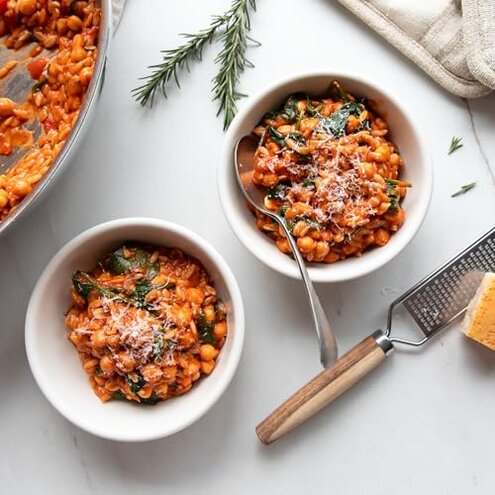
- Gluten-free buyers who already expect to watch timing closely may accept the texture trade-off for a pantry-safe option.
- Careful home cooks making small fresh batches can manage the softness issue by draining early and serving right away.
- People avoiding dairy and GMO concerns may still prefer it if those priorities matter more than convenience.
- Shoppers using it for immediate meals rather than leftovers may avoid the biggest reheating complaint.
Expectation vs reality
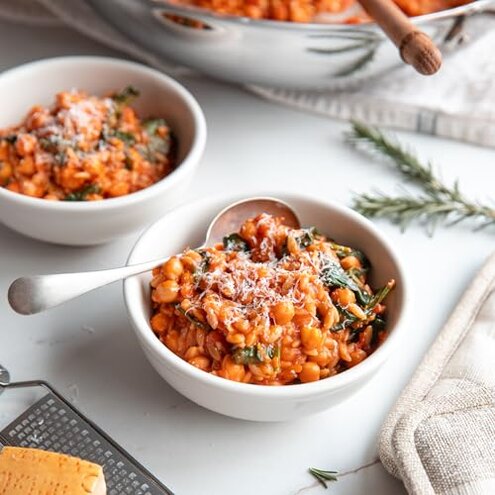
Expectation: A reasonable category hope is that gluten-free orzo behaves close to standard orzo with minor timing tweaks.
Reality: Timing matters more here, and the downside shows up fast during normal weeknight cooking.
Expectation: A multi-pack pantry staple should arrive ready to use with little fuss.
Reality: Small-shape breakage can matter more in transit, making the larger bundle feel riskier.
Expectation: Leftovers should soften a little, not collapse.
Reality: Soup and reheats can push it further past ideal texture than many mid-range alternatives.
Safer alternatives
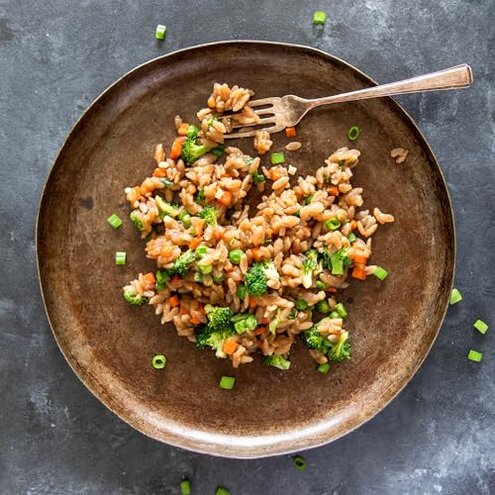
- Choose a thicker shape if you hate narrow cook windows, because larger pasta usually tolerates a few extra minutes better.
- Buy smaller packs if shipping damage frustrates you, since that reduces the sting of arrival breakage.
- Look for pasta described as firm in soups if you batch cook, because leftover stability is the key weakness here.
- Test one box first before committing to a multi-pack, especially if you need a true drop-in replacement for wheat orzo.
- Store pasta separately from broth or sauce when meal prepping, which directly reduces the next-day softness problem.
The bottom line
The main regret trigger is simple: this pasta can demand more timing precision than buyers expect from a pantry staple. That makes the risk feel higher than normal for the category, especially at $34.14 for a 6-pack. Avoid it if you want forgiving texture, reliable leftovers, and low-effort cooking.
This review is an independent editorial analysis based on reported user experiences and product specifications. NegReview.com does not sell products.