
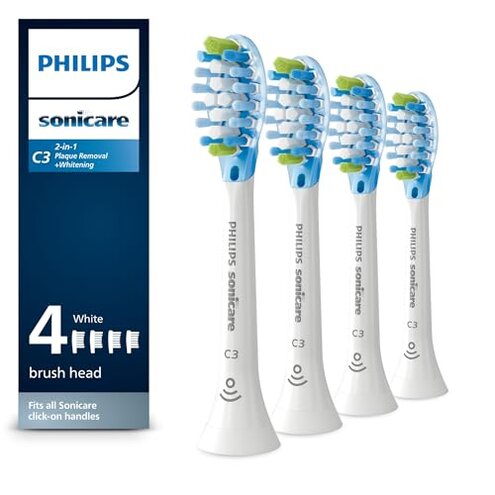
Product evaluated: Philips Sonicare C3 Two-in-One - Genuine Replacement Electric Toothbrush Heads, White, 4 Pack One Year Supply, HX9044/65
Related Videos For You
How to Know When To Change Sonicare Brush Head
How To Fit & Remove Oral-B Brush Heads
Data basis This report summarizes hundreds of buyer comments collected from written feedback and video-style demonstrations between 2017 and 2026. Most input came from detailed written experiences, with smaller but useful support from visual walk-throughs that showed fit, wear, and daily-use problems.
| Buyer outcome | This product | Typical mid-range alternative |
|---|---|---|
| Cleaning feel | Usually strong, but some buyers say the head feels harsher than expected during daily use. | More balanced clean, often with fewer comfort complaints. |
| Replacement cost | Higher burden at about $11.24 per head, which raises regret if wear feels early. | Lower pressure, especially with less expensive compatible options. |
| Fit confidence | Good if genuine, but buyers are more sensitive to authenticity and seller issues at this price. | Less stressful because the cost of a bad batch is usually lower. |
| Wear risk | Higher-than-normal risk because repeated complaints focus on bristles spreading or performance fading sooner than expected. | More typical wear, with fewer complaints about early decline. |
| Regret trigger | Paying premium and then needing replacement sooner or getting results that do not feel premium. | Settling for average, but usually with less money at risk. |
Why does a premium brush head feel worn out too soon?
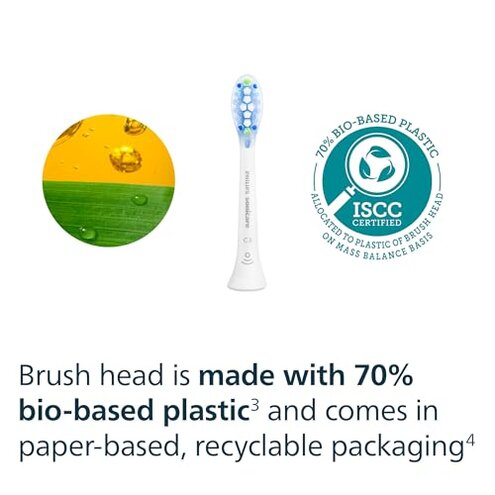
This is a primary issue. The sharp regret moment comes when a replacement head starts feeling less precise after regular daily brushing. That trade-off feels worse here because the pack is priced like a premium consumable, not a budget refill.
The pattern appears repeatedly. Buyers commonly describe early bristle spreading, softer cleaning feel, or needing a replacement sooner than expected during normal twice-daily use. In this category, some wear is normal, but the frustration is higher when the cost per head is already elevated.
- Early sign: The brush can start feeling less focused on the teeth and more floppy around the edges after repeated use.
- Frequency tier: This is the primary complaint and appears more often than comfort or packaging complaints.
- When it shows up: It usually appears after repeated use, not on day one, which makes it feel like declining value over time.
- Impact: Buyers feel pushed into replacing heads earlier, which adds extra cost faster than expected.
- Category contrast: All brush heads wear down, but this feels more frustrating than expected because premium heads are supposed to hold performance longer.
Illustrative: “It cleaned great at first, then felt tired way too quickly.” Primary pattern.
Are you paying extra for results that do not feel extra?
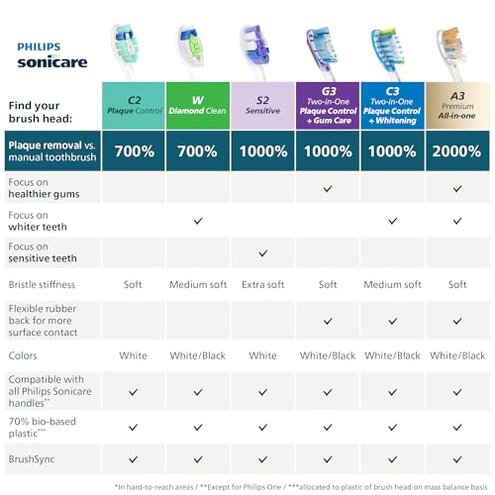
- Severity: This is a primary value complaint because the pack costs $44.96 for 4 heads, or $11.24 each.
- Usage moment: The regret shows up at replacement time, when buyers compare the price against how long the head seemed to stay effective.
- Recurring pattern: Complaints about value appear commonly, especially when performance feels only modestly better than cheaper options.
- Trade-off: Buyers accept higher pricing if the clean feels clearly better, but disappointment grows when the difference feels small in daily use.
- Worse condition: The issue feels bigger for households that replace heads often, because the ongoing cost becomes harder to ignore.
- Category contrast: Premium oral-care refills cost more, but this can feel less forgiving than typical because each disappointment repeats every replacement cycle.
- Fixability: There is no real fix beyond watching sales, changing head type, or choosing a less expensive compatible path.
Illustrative: “Good brush heads, but not good enough for that price.” Primary pattern.
Does the brushing feel too firm or irritating for sensitive mouths?
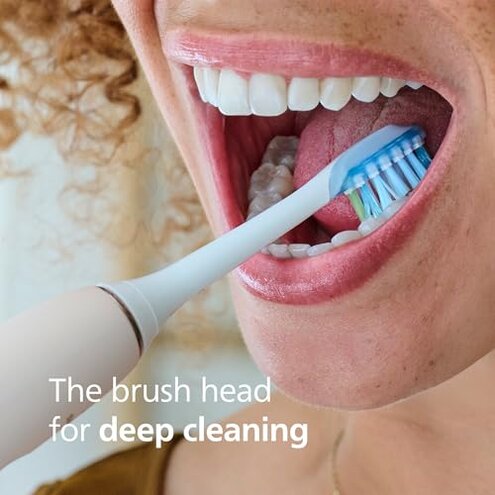
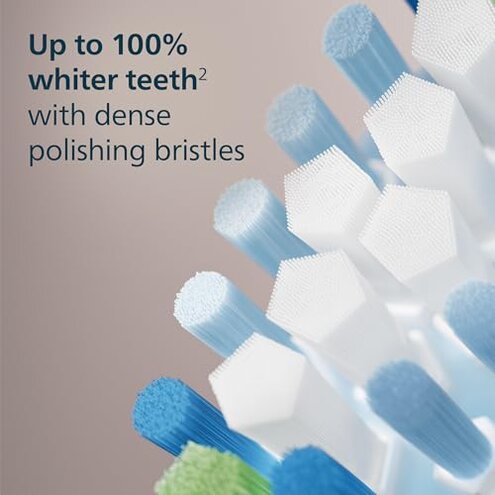
This is a secondary issue. The regret usually appears in the first few uses, when the dense center bristles feel more aggressive than expected. That can be a plus for stain-focused buyers, but a downside for sensitive gums.
The pattern is persistent but not universal. It tends to show up during longer brushing sessions or when users already prefer softer heads. Compared with many mid-range heads, this one can feel less forgiving if comfort matters more than scrubbing power.
- Early sign: Some buyers notice a firmer contact right away, especially along the gumline.
- Frequency tier: This is a secondary complaint, less frequent than wear concerns but still recurring.
- Worsens when: It gets more noticeable during daily use with pressure-heavy brushing habits.
- Impact: Users may shorten brushing time or switch back to a softer style, reducing the benefit they expected.
- Hidden requirement: You may need a gentler brushing technique than with softer heads, which some buyers did not expect.
- Category contrast: Electric heads often feel stronger than manual brushes, but this one can feel more intense than a reasonable category baseline for sensitive users.
Illustrative: “My teeth felt polished, but my gums did not love it.” Secondary pattern.
What if the head you receive does not inspire trust?
- Concern type: This is an edge-case issue, but more frustrating here because the product carries a premium genuine-brand price.
- When it happens: The doubt starts on first inspection, when packaging, print quality, or brush feel seems off to the buyer.
- Pattern statement: Authenticity concerns are less frequent than wear complaints, but they appear persistently enough to affect buyer confidence.
- Impact: Even if the head works, uncertainty can make every weakness feel like proof of a bad batch.
- Hidden requirement: Buyers may feel they need to check seller quality carefully, which adds extra steps that many do not expect for toothbrush refills.
- Category contrast: Counterfeit worry exists across refill categories, but it feels more disruptive than expected when the item is a mouth-care product used daily.
- Fixability: The only real mitigation is choosing a trusted seller and inspecting the heads before use.
Illustrative: “The fit was okay, but something about the pack felt off.” Edge-case pattern.
Who should avoid this
- Budget-focused buyers should avoid it if early wear would make the $11.24 per-head cost feel wasteful.
- Sensitive-gum users may want a softer head if firmer daily brushing already causes discomfort.
- High-use households should be careful because the replacement cost compounds faster than with cheaper alternatives.
- Low-hassle shoppers may dislike any need to verify seller trust or inspect packaging closely.
Who this is actually good for
- Brand-loyal users may still like it if they already know this head works well on their handle and accept the premium refill cost.
- Stain-focused brushers may tolerate the firmer feel because they want a stronger polished-clean sensation.
- Sale-only shoppers can make more sense of it when discounts reduce the risk of paying premium prices for average lifespan.
- Users without sensitivity may find the stronger brushing feel acceptable if comfort has never been a problem.
Expectation vs reality
Expectation: A premium replacement head should keep its best cleaning feel for a comfortably long stretch.
Reality: A recurring complaint is that wear becomes noticeable sooner than buyers expect, making the price sting more.
Expectation: Stronger cleaning should still feel easy on most mouths.
Reality: For some users, the dense brushing feel is less forgiving during daily use, especially with sensitive gums.
Expectation: It is reasonable for this category to pay more for genuine branded refills and get dependable consistency.
Reality: Edge-case authenticity concerns and seller variance make this feel worse than expected because the premium price leaves less room for doubt.
Safer alternatives
- Choose softer heads if gum comfort matters more than stain-focused scrubbing power.
- Buy smaller quantities first if you are unsure about wear rate, so one disappointing batch costs less.
- Compare cost per head against a typical mid-range option before restocking, not just against manual brushes.
- Use trusted sellers to reduce the edge-case risk of questionable packaging or inconsistent quality.
- Watch for sales because discount pricing lowers the main regret trigger: premium cost paired with average perceived lifespan.
The bottom line
Main regret comes from paying premium refill prices and then feeling the heads wear or disappoint sooner than expected. That exceeds normal category risk because brush-head wear is expected, but the cost sensitivity here is much higher than with typical mid-range alternatives. If you want the safest buy, this is easier to skip unless you already know you like this exact head and can buy it at a discount.
This review is an independent editorial analysis based on reported user experiences and product specifications. NegReview.com does not sell products.