
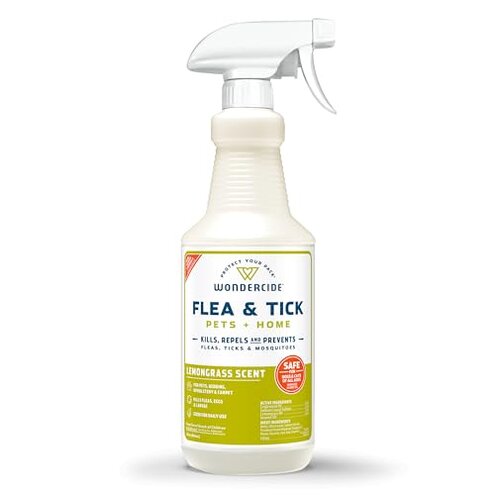
Product evaluated: Wondercide - Flea, Tick & Mosquito Spray for Dogs, Cats, and Home - Flea and Tick Killer, Control, Prevention, Treatment - with Natural Essential Oils - Pet and Family Safe - Lemongrass 32 oz
Related Videos For You
How to Get Rid of Fleas Fast Cheap and Easy. See Links / Info in Description 👇🏻
Natural Flea and Tick Spray for Dogs
Data basis This report summarizes hundreds of feedback points collected from written reviews and video demonstrations between 2023 and 2026. Most feedback came from written experiences, with video use clips mainly supporting how the spray behaves during pet treatment and home spraying.
| Buyer outcome | Wondercide | Typical mid-range alternative |
|---|---|---|
| Pest control consistency | Less predictable during active flea problems and often depends on very thorough repeat use. | More consistent with fewer repeat passes in normal household use. |
| Smell indoors | Stronger scent linger is a primary complaint, especially after treating bedding, furniture, or carpets. | Milder odor is still expected, but usually less dominating indoors. |
| Daily effort | Higher-than-normal upkeep because pet, home, and repeat treatment steps can stack up fast. | Lower effort for buyers wanting a simpler routine. |
| Pet tolerance | Mixed acceptance, with recurring complaints about pets disliking the spray process or smell. | Usually easier to work into routine use for sensitive pets. |
| Regret trigger | Buying it as a one-step fix and then finding it needs more time, more spraying, and more tolerance than expected. | Usually regret comes from price or smell, not from the same level of routine burden. |
Why does it feel like too much work for one spray?
Primary issue here is effort. A recurring pattern is that regret shows up after the first few uses, when buyers realize this can become a pet-and-home routine instead of a quick treatment.
Category contrast matters here. Some repeat use is reasonable for this category, but buyers commonly describe this one as more upkeep than expected for a mid-range flea spray.
- When it hits The hassle grows during active infestations, when pets, bedding, carpets, and favorite resting spots all need attention.
- Pattern strength This appears repeatedly and is among the most common complaints tied to buyer regret.
- Why it escalates The product promises broad use, but that also creates a hidden requirement to treat more surfaces than some shoppers planned for.
- Real impact The job can turn into multiple rounds of spraying, waiting, and checking instead of one simple pass.
- Attempted workaround Buyers often try using more product or spraying more often, which adds cost and time without always solving the problem fast.
- Fixability This is partly fixable if you expect a routine and stay consistent, but that does not help buyers wanting low-effort control.
What if the smell takes over your room?
Smell complaints are a secondary issue, but they are more frustrating than expected when they happen indoors. The regret moment usually appears right after spraying furniture, pet beds, or carpeted areas.
Not universal, but persistent enough to matter. In this category, some odor is normal, yet the scent here is often described as stronger and harder to ignore than a typical mid-range alternative.
Worsening condition is enclosed space. The issue tends to feel bigger in smaller rooms, homes with lots of soft surfaces, or when several areas are treated the same day.
Trade-off is obvious. Buyers choosing a plant-based spray may accept some scent, but many do not expect the smell to become a main part of the experience.
- Early sign If one pet bed already smells intense, whole-room treatment may feel overwhelming.
- Frequency tier This is a secondary issue, less frequent than effectiveness complaints but still commonly reported.
- Household impact The scent can linger on fabrics and make rooms feel freshly sprayed for longer than some buyers want.
- Pet impact Some pets seem bothered by the smell during application, which can make treatment harder.
- Best mitigation Better airflow helps, but that adds another usage condition buyers may not have planned for.
Why does it seem to work for some people and not others?
- Primary pattern Inconsistent results are among the top complaints, especially when buyers expect fast control during an existing flea problem.
- Usage moment This usually shows up after initial treatment, when fleas seem reduced but not fully gone.
- Context anchor The problem gets worse in homes with ongoing exposure, multiple pet zones, or missed surfaces.
- Why it feels worse A flea spray does not need perfection to satisfy buyers, but this one can feel less forgiving than typical if application is not thorough.
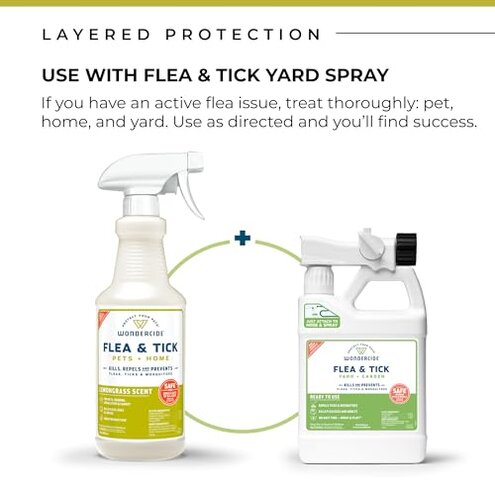
- Buyer mistake trap Some regret comes from treating only the pet and not the environment, which acts like a hidden requirement for acceptable results.
- Practical effect Buyers may think the product failed when the real issue is how complete the treatment needs to be.
- Still important Even with that context, the pattern is persistent enough that shoppers wanting predictable results should be cautious.
Will your pet actually tolerate being sprayed?
- Recurring friction Pet resistance is a secondary pattern that tends to appear on first use or after the first strong-smelling application.
- Real moment The struggle happens during full-body spraying, especially with nervous cats, small pets, or animals already irritated from bites.
- Category baseline Some pets dislike sprays in general, but buyers often find this one harder to use calmly because smell and wetness can combine.
- What buyers notice Pets may squirm, run, or avoid the person holding the bottle after a bad first experience.
- Why it matters If your pet fights the process, complete coverage becomes harder, and that can reduce real-world effectiveness.
- Less frequent than the workload complaint, but more frustrating when it happens because it blocks proper use.
- Mitigation Spot testing and slower application may help, but that adds even more time to an already effort-heavy product.
Illustrative excerpts

Illustrative “I thought one treatment would do it, but it turned into a whole-house routine.”
Pattern This reflects a primary workload complaint.
Illustrative “The smell was much stronger on bedding than I expected.”
Pattern This reflects a secondary odor complaint.
Illustrative “It helped at first, then I realized I had to spray everything.”
Pattern This reflects a primary consistency and hidden-step complaint.
Illustrative “My cat hated the spray, so getting full coverage was a battle.”
Pattern This reflects a secondary pet-tolerance complaint.
Who should avoid this
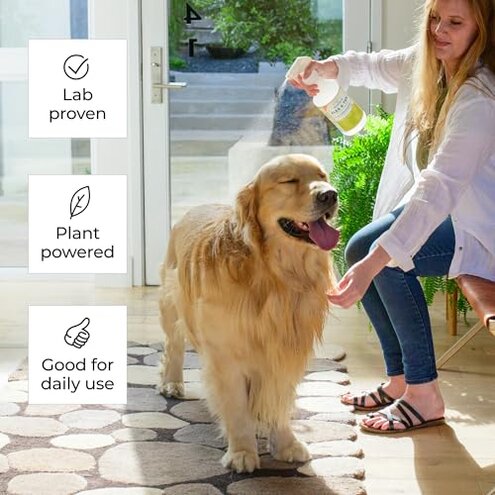
- Avoid it if you want a one-step fix for an active flea problem, because the repeat effort appears higher than normal.
- Avoid it if strong indoor scent sensitivity is a deal breaker, especially in small rooms or fabric-heavy homes.
- Avoid it if your pet already fights sprays, because this product can become hard to apply fully during daily use.
- Avoid it if you need the most predictable results with minimal routine follow-up.
Who this is actually good for

- Good fit for buyers who already expect to treat pet and home together and do not mind a multi-step routine.
- Good fit for households willing to tolerate a stronger scent in exchange for avoiding harsher-feeling alternatives.
- Good fit if your pet handles sprays well and you can apply carefully without rushing.
- Good fit for maintenance-minded users dealing with light prevention, not shoppers expecting an effortless rescue product.
Expectation vs reality
- Expectation A 32 oz spray should cover the problem with a manageable routine.
Reality Buyers commonly find the time burden larger than expected once pet areas and home surfaces are included. - Expectation A lemongrass product should smell fresh and stay in the background.
Reality The odor presence can become a noticeable part of indoor life after treatment. - Expectation Reasonable for this category is some repeat use, but still forgiving results if you miss a little.
Reality This spray can feel less forgiving than expected, with missed spots causing more frustration than buyers anticipate. - Expectation Pet-safe should also mean easy to apply.
Reality Pet resistance can make safe use harder in practice.
Safer alternatives

- Choose simpler routines if you know you will not keep up with treating pet, bedding, and home surfaces together.
- Choose lower-odor options if you live in a small space or need to spray fabrics often.
- Choose easier application formats if your pet already resists sprays, because coverage matters more than label claims.
- Choose consistency first if you are dealing with an active infestation and cannot afford trial-and-error.
- Choose clear treatment systems if you want fewer hidden steps and less guesswork during the first week.
The bottom line
Main regret is not just smell or price. It is buying this as a quick answer and then discovering a higher-than-normal routine burden for reliable use.
Why avoid it if you are impatient is simple. The combination of repeat effort, strong scent for some homes, and inconsistent real-world results makes it riskier than a typical mid-range alternative for low-hassle shoppers.
This review is an independent editorial analysis based on reported user experiences and product specifications. NegReview.com does not sell products.