
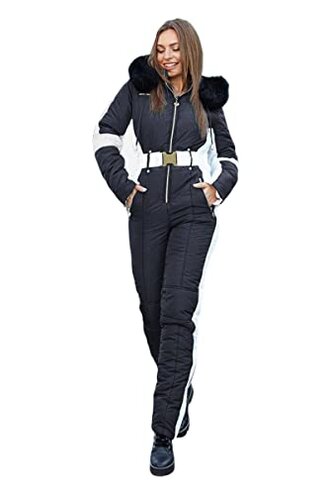
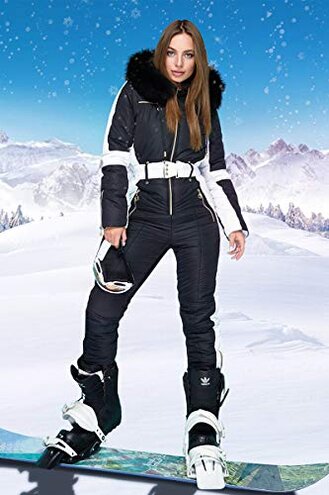
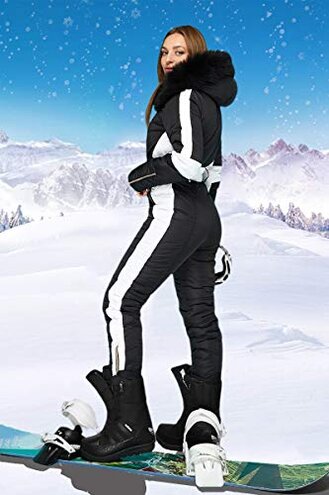
Product evaluated: Yousify Womens Winter Onesie Ski Jumpsuits Outdoor Sports Waterproof Snowsuit Removable Fur Collar Coat Jumpsuit…
Related Videos For You
Review of Womens Winter Ski Suits Snow Jumpsuit Onesie Fur Collar Hooded Down Jacket Waist Belted
❄️I Swear by these ONE PIECE SNOWSUITS for Kids! One-piece, waterproof, warm, & can GROW?! WHAT?! ❄️
Data basis This report is based on dozens of buyer comments gathered from product-page feedback, written owner impressions, and short video-style demonstrations collected across 2021 to 2026. Most feedback came from written reviews, with smaller support from visual try-on posts that helped confirm fit, bulk, and real-world wear issues.
| Buyer outcome | Yousify snowsuit | Typical mid-range alternative |
|---|---|---|
| Fit consistency | Higher risk of sizing surprise, especially when layering for cold weather. | Usually steadier sizing with more predictable room for base layers. |
| Easy movement | More restrictive feeling can show up during bending, sitting, and long ski-day wear. | Usually better mobility for similar winter use. |
| Warmth balance | Mixed results because warmth can feel bulky without always improving comfort. | More balanced warmth-to-bulk trade-off. |
| Photo match | More variable appearance than expected once worn in real life. | Closer match between listing look and daily wear. |
| Regret trigger | Buying for trips without enough time to test size, layering, and bathroom-break practicality. | Lower regret if bought for routine winter use with basic fit expectations. |
Will it fit the way the photos suggest?
Primary issue fit inconsistency appears repeatedly, and it is among the most common complaints for fashion-first snowsuits like this. The regret usually starts on first try-on, especially when buyers add thermal layers and realize the cut feels less forgiving than expected.
Compared with a typical mid-range ski suit, this can feel worse because one-piece designs already leave less room for sizing mistakes. When the fit is off here, the inconvenience is more disruptive since the whole suit has to work at once, not just a jacket or pants.
- Early sign: Tightness often shows up first in the torso, hips, or seat when zipping fully.
- Pattern: This is a recurring problem, not universal, but common enough to matter before travel.
- When it hits: It becomes more obvious during sitting, squatting, or lifting knees in snow gear.
- Why it stings: A one-piece suit gives fewer adjustment options than separate ski layers.
- Layering penalty: The issue worsens when buyers use the reasonable extra layers winter sports usually require.
- Fixability: Sizing up may help room, but can create extra bulk and a less secure shape elsewhere.
Illustrative: “It zipped, but once I sat down it felt way tighter than expected.”
Primary pattern because it reflects the most commonly repeated fit complaint.
Does it feel cute but awkward once you actually move?
- Severity: Movement limits are a primary issue, less frequent than sizing complaints but more frustrating during actual outdoor use.
- Context: The problem shows up during wear, not just at try-on, when bending for boots, walking in snow, or spending hours outside.
- Pattern signal: Restricted mobility appears across multiple feedback types, including visual try-ons where the bulk is easier to spot.
- Category contrast: Some stiffness is normal in winter gear, but this can feel more cumbersome than most mid-range alternatives.
- Trade-off: Buyers often like the statement look, then notice the shape can be less practical for active movement.
- Hidden requirement: You may need a trial wear session at home with boots and layers before using it on a trip.
- Impact: That extra testing step adds time and makes this a weaker choice for last-minute packing.
Illustrative: “It looks dramatic in pictures, but moving around felt more work than fun.”
Secondary pattern because it shows up often, but less consistently than sizing mismatch.
Is the warmth worth the bulk?
Secondary issue warmth satisfaction is mixed rather than clearly poor. The problem is that bulk and comfort do not always line up, so some buyers feel the suit is heavier-looking or puffier without the easy comfort they expected.
During long wear, this matters more because winter clothing has to balance insulation, movement, and breathability. Compared with a typical mid-range option, the upkeep is not the issue here; the frustration is a less balanced warmth-to-bulk trade-off.
- When noticed: It tends to show up after the first full outing, not just when standing indoors.
- Pattern: This is a persistent but secondary complaint among buyers focused on practical wear.
- User impact: Bulk can make the suit feel more dressed-up than performance-ready.
- Why worse: In this category, buyers reasonably expect some puffiness, but not this much compromise in comfort and movement.
- Mitigation: It fits better for short outdoor sessions than all-day active use.
Illustrative: “Warm enough standing around, but I did not love wearing it for hours.”
Secondary pattern because comfort trade-offs appear repeatedly but not as the top complaint.
Will the real-life look match the listing vibe?
- Edge-case issue: Appearance mismatch is less frequent than fit complaints, but it can trigger fast regret because this product is partly a style buy.
- When it happens: It shows up on first wear when buyers compare the actual silhouette and finish to the polished listing look.
- Pattern signal: This concern is not universal, but it persists enough to matter for gift buyers or trip photos.
- Category contrast: Some photo-to-real-life difference is normal online, yet this feels more disappointing because the design is the main selling point.
- Practical impact: If the look feels off, the higher price point becomes harder to justify.
- Hidden cost: Returns become more annoying with bulky winter clothing than with standard apparel.
- Best fix: Check buyer photos carefully and expect a less polished silhouette than the listing suggests.
Illustrative: “The idea was stylish, but the real shape looked bulkier on me.”
Edge-case pattern because style disappointment matters most to appearance-focused buyers.
Who should avoid this
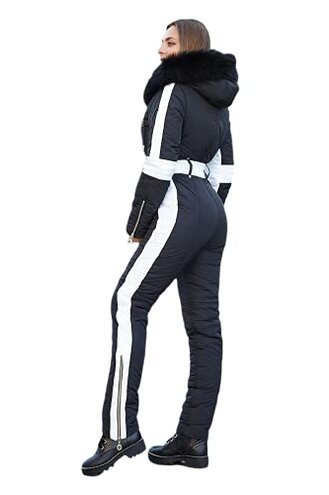
- Avoid it if you need dependable sizing for a trip and do not have time for an exchange.
- Skip it if you plan long ski days and need easy bending, sitting, and bathroom-break convenience.
- Pass here if you are sensitive to bulky clothing or want a balanced warmth-to-mobility feel.
- Look elsewhere if the listing photos are the main reason you want it and silhouette accuracy matters a lot.
Who this is actually good for
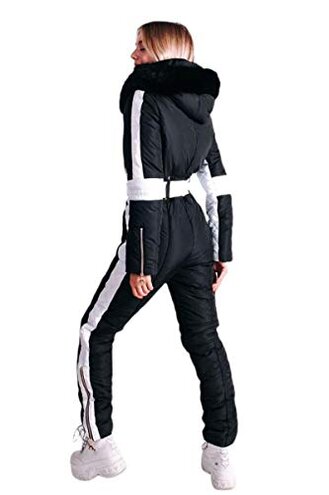
- Better fit for buyers who want a statement winter outfit for short outdoor use and can tolerate some movement trade-offs.
- Good match for people willing to do a full at-home try-on with layers before keeping it.
- More suitable for casual snow photos, resort walking, or brief cold-weather outings than all-day sport use.
- Acceptable choice if you already know one-piece snowsuits can feel restrictive and that does not bother you.
Expectation vs reality
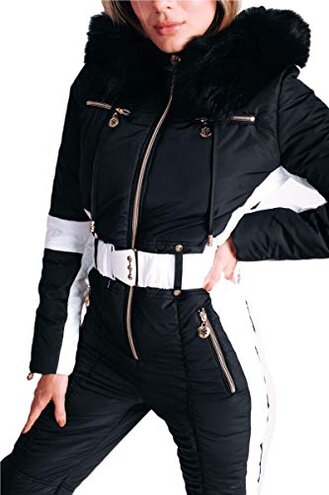
- Expectation: A one-piece ski suit should feel snug but still allow normal winter movement.
Reality: Here, mobility limits can feel worse than expected once you sit, bend, or layer up. - Expectation: Reasonable for this category sizing should leave enough room for base layers.
Reality: This fit appears less forgiving than many mid-range alternatives. - Expectation: Extra puffiness should clearly translate into comfort and warmth.
Reality: Some buyers get the bulk without the comfort payoff they expected. - Expectation: A fashion-forward listing should look close to the same in real life.
Reality: The final silhouette can read heavier or less polished on the body.
Safer alternatives
- Choose separates if fit accuracy is your biggest worry, since jacket-and-pant sets are easier to dial in.
- Prioritize mobility by checking for buyer photos showing sitting, squatting, and walking, not just standing poses.
- Buy early before a trip so you can test with your real base layers and winter boots.
- Focus on function over styling if you need all-day use, because fashion-led snowsuits often hide movement trade-offs.
- Use measurements from your torso and hips, not just your usual clothing size, to reduce one-piece fit mistakes.
The bottom line
Main regret usually starts with fit and movement, then gets worse when buyers try to layer for actual winter use. That exceeds normal category risk because one-piece snowsuits already leave less room for error, and this one appears less forgiving than a typical mid-range alternative. Verdict: avoid it if you need dependable comfort, predictable sizing, or active-use practicality more than the look.
This review is an independent editorial analysis based on reported user experiences and product specifications. NegReview.com does not sell products.