
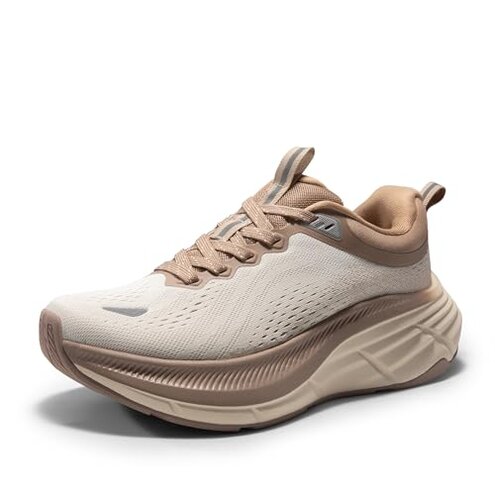
Product evaluated: NORTIV 8 Women's Walking Shoes Cushion Comfortable ActiveBreeze Running Tennis Shoes Non-Slip Workout Gym Sports Athletic Breathable Fashion Sneakers,Size 8,Beige/Khaki,SNWS248W
Related Videos For You
How to Choose Proper Running or Walking Shoes. Best Information.
The BEST WALKING SHOES for city walking
Data basis for this report comes from dozens of buyer comments gathered between mid-2024 and early-2026. Most feedback came from written reviews, with added context from photo and video posts, which helps show how the shoes look and feel during real use.
| Buyer outcome | NORTIV 8 | Typical mid-range alternative |
|---|---|---|
| Step-in comfort | Mixed; soft feel is attractive, but comfort complaints appear repeatedly during longer wear. | More consistent; usually less plush at first, but fewer surprises after break-in. |
| Size confidence | Higher risk; fit inconsistency is a primary regret trigger in this category. | More predictable; minor variation happens, but sizing is usually easier to trust. |
| All-day support | Limited; daily walking can expose weak support faster than expected. | Better baseline; not premium, but commonly more forgiving for errands and workdays. |
| Looks vs feel | Good styling; appearance gets less pushback than performance. | Balanced; usually less stylish, but fewer trade-offs in wear comfort. |
| Regret trigger | Buying for long walks and finding the fit or support falls short during daily use. | Lower; buyers more often know what comfort level to expect. |
Do they feel good at first, then disappoint on longer walks?
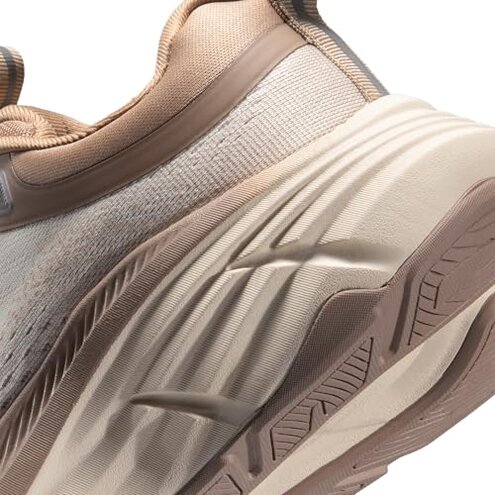
This is a primary issue because the biggest regret moment comes after the first short wear, when the cushioning stops feeling like enough support.
The pattern appears repeatedly during errands, treadmill sessions, and long standing periods. That matters because mid-range walking shoes are usually expected to stay reasonably comfortable past the first hour.
Worse than normal, the soft first impression can hide the support trade-off. In this category, buyers usually accept average cushioning, but they expect less fatigue during routine daily use.
Illustrative excerpt: “Felt nice in the kitchen, but my feet got tired fast outside.” Primary pattern.
Is the sizing harder to trust than it should be?
- Primary complaint: fit inconsistency is among the most common complaints, especially right after first try-on.
- When it shows up: the issue appears immediately during setup-for-wear, often before buyers even decide whether to keep them.
- How it feels: some buyers describe the toe room or width as less predictable than expected for casual athletic shoes.
- Why it stings: that creates return risk, which is more disruptive than expected for this category.
- Pattern signal: this is recurring rather than universal, but it shows up across multiple feedback styles.
- Hidden requirement: buyers may need to order with extra caution on size, which adds extra steps and waiting time.
- Category contrast: most mid-range walking shoes still have some variation, but these seem less forgiving if you are between sizes or need dependable width.
Illustrative excerpt: “My usual size worked in length, but the fit still felt off.” Primary pattern.
Do they look better than they hold up in daily rotation?
- Secondary issue: appearance is often liked, but durability concerns are less frequent than fit complaints and more frustrating when they happen.
- Usage moment: this tends to show up after repeated wear, not on day one.
- What changes: buyers commonly point to the shoes feeling worn sooner than expected from a daily sneaker.
- Why it matters: that shortens the value story at a price where buyers expect regular-use reliability.
- Pattern signal: persistent but not universal, especially for people using them as everyday shoes rather than occasional gym pairs.
- Category contrast: some wear is normal, but faster comfort drop-off feels worse than typical mid-range alternatives.
Illustrative excerpt: “Cute out of the box, but they stopped feeling fresh pretty quickly.” Secondary pattern.
Are they too light and flexible for people needing real support?
- Primary risk: buyers wanting walking-shoe support often find the structure lighter than expected.
- Context: the problem shows up during long sessions, harder floors, and back-to-back daily wear.
- Early sign: feet may feel fine at first, then start asking for more stability later in the day.
- Trade-off: the lighter feel can help with breathability, but support-seeking buyers pay for that comfort shortcut.
- Pattern signal: this complaint appears repeatedly among people using them beyond casual short trips.
- Fixability: insoles may help some buyers, but needing add-ons is a hidden requirement many do not expect.
- Why avoid: in this category, “walking shoe” usually suggests more dependable underfoot support than this seems to provide.
- Edge note: less demanding users may tolerate it, but support-sensitive buyers are the ones most likely to regret the purchase.
Illustrative excerpt: “More like a casual sneaker than a true walking shoe for me.” Primary pattern.
Who should avoid this
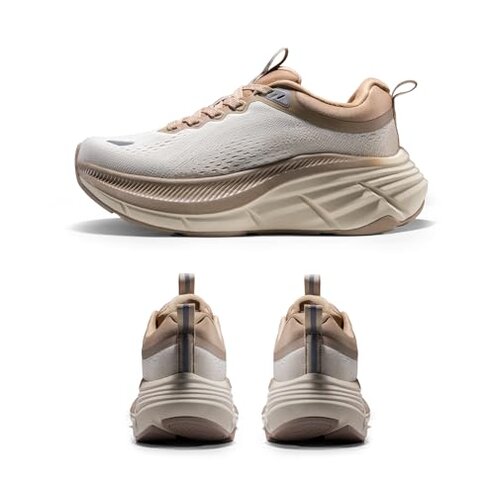
- Avoid it if you need dependable sizing on the first order, because fit uncertainty looks higher than normal for this category.
- Skip it if you walk long distances or stand for hours, because comfort loss during extended wear is a primary complaint.
- Not ideal if you need firm support for hard floors, since the lighter feel can become a downside during daily use.
- Pass if you hate trying inserts or exchanges, because hidden adjustment steps appear more often than expected.
Who this is actually good for
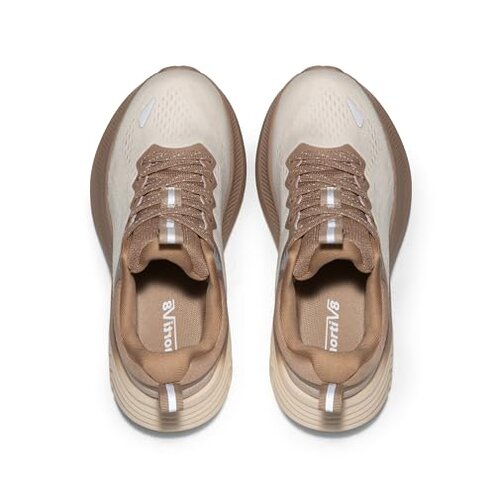
- Better fit for buyers who want a stylish casual sneaker and only do short walks, where the support limits matter less.
- Works better if you prioritize light feel and airflow over structure, and you already know this brand fits your foot shape.
- Reasonable choice for occasional gym or errand use, if you can tolerate some sizing risk for the look.
- Safer pick for people who rotate several pairs, because faster comfort drop-off is less painful with lighter use.
Expectation vs reality
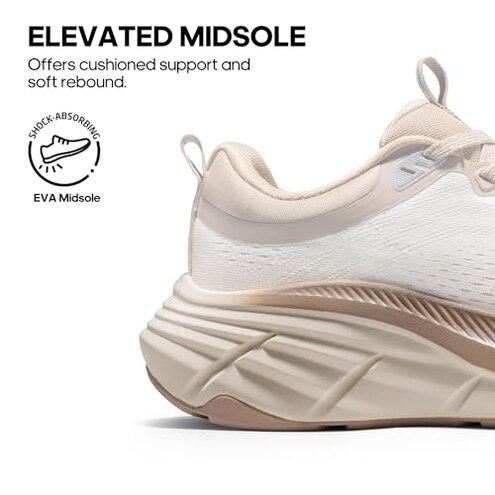
Expectation: a walking shoe should feel cushioned and stay comfortable through normal daily movement.
Reality: the cushioning gets attention first, but support concerns can show up later and feel worse than expected.
Reasonable for this category: mid-range sneakers can vary a little in fit.
Worse here: the sizing risk seems more noticeable than a typical mid-range alternative, especially for buyers between sizes.
Expectation: a versatile everyday sneaker should hold up to regular rotation.
Reality: some buyers report the feel fading sooner than expected once the shoes move from occasional wear to daily use.
Safer alternatives
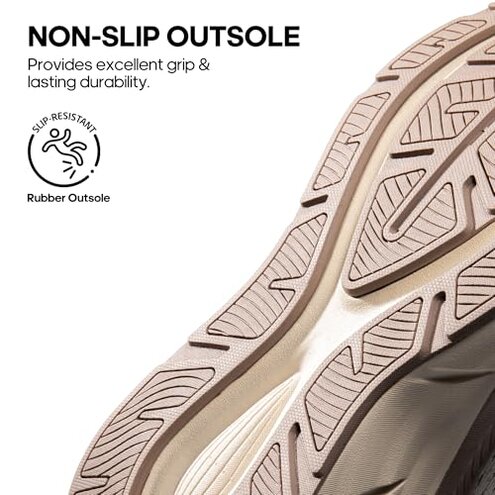
- Choose models with a stronger track record for true-to-size fit if you cannot deal with exchanges.
- Look for walking shoes described as supportive rather than just cushioned, which helps avoid the soft-but-tiring problem.
- Prefer pairs with repeated praise for all-day wear if you stand or walk on hard floors often.
- Check for comments about break-in and long-session comfort, not just first-try softness.
- Buy from options with easy size swapping if you are between sizes or need reliable width.
The bottom line
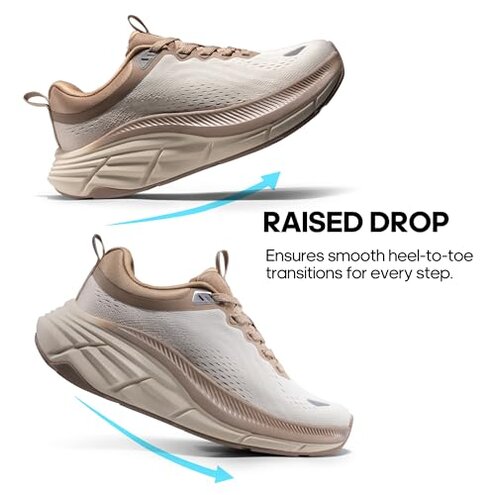
Main regret trigger is buying these as dependable walking shoes and then running into fit uncertainty or fading comfort during longer wear.
Why it stands out is that sizing inconsistency and support limits feel higher-risk than a typical mid-range alternative. Verdict: avoid them if you want predictable fit and real all-day support, but they may still work for short casual use.
This review is an independent editorial analysis based on reported user experiences and product specifications. NegReview.com does not sell products.