
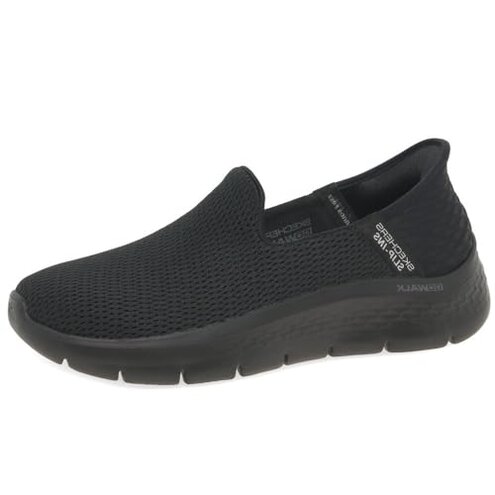
Product evaluated: Skechers Women's Hands Free Slip-Ins Go Walk Flex-Relish Sneaker, Black, 8 US
Related Videos For You
Skechers Max Cushioning Slip-ins commercial
How To Clean Your Suede Sneakers | The BEST Way!
Data basis: This report is based on hundreds of feedback points gathered from product-page comments, written buyer summaries, and short video-style demonstrations collected from 2023 to 2026. Most feedback came from written experiences, with supporting context from visual wear-and-fit examples that helped confirm recurring day-to-day problems.
| Buyer outcome | This product | Typical mid-range alternative |
|---|---|---|
| Step-in ease | Strong when the shape matches your foot | Moderate but usually needs hands |
| Fit consistency | Higher risk of feeling too loose or oddly snug during daily use | More predictable sizing for common foot shapes |
| Long-walk comfort | Mixed; comfort starts well but can drop after extended wear | More stable for longer casual walks |
| Wear over time | More variable than normal for casual walking shoes | Usually steadier break-in and durability |
| Regret trigger | Easy slip-on convenience does not fix a mismatched fit | Less exciting first impression but fewer fit surprises |
Do these feel great at first, then annoy you later?
This is a primary issue because the first try-on can feel soft and easy, then daily wear exposes pressure points or sloppy hold. The trade-off is clear: quick entry can come with less forgiving fit behavior than expected.
This pattern appears repeatedly during errands, work shifts, and longer walks, especially after the initial comfort impression wears off. Compared with a typical mid-range walking shoe, comfort drop-off feels more frustrating because the product is sold around convenience and all-day ease.
Illustrative excerpt: “Felt amazing in the house, then my foot moved around outside.”
Pattern tier: Primary pattern tied to real walking use rather than first try-on.
Illustrative excerpt: “Soft underfoot, but not secure enough once I was on my feet longer.”
Pattern tier: Primary pattern that shows up during extended wear.
Will the fit feel off even if the size seems right?
- Frequency tier: This is a primary issue and among the most common complaints in this category.
- When it shows up: The mismatch usually appears on first real outing, not just during a quick indoor test.
- What buyers notice: Some report heel movement or a forefoot that feels tighter than expected at the same time.
- Why it stings: A slip-on walking shoe should feel more predictable, so fit conflict feels worse than normal category variation.
- Who feels it most: The issue seems more noticeable for in-between sizes or feet that need either more width or more hold.
- Hidden requirement: You may need very specific foot shape compatibility to get the advertised hands-free ease without slippage.
- Fixability: Socks or inserts can help, but they add extra steps and may reduce the point of a fast slip-on.
Illustrative excerpt: “Easy to step into, hard to keep feeling secure.”
Pattern tier: Primary pattern because the convenience benefit can be canceled by fit issues.
Are these less supportive than you expect for walking?
- Pattern: This is a secondary issue, less frequent than fit complaints but more frustrating when it happens.
- Usage moment: It tends to show during long sessions, such as travel days, shift work, or repeated daily errands.
- Buyer impact: The shoe can start out soft, then feel too casual for sustained walking support.
- Category contrast: Many mid-range walking shoes are not luxurious, but they are often more stable over longer wear.
- Trade-off: The light, easy feel can mean less structure than some shoppers expect from a walking sneaker.
- Attempts to solve it: Buyers commonly try different socks or insoles, but that can change fit balance and create new pressure points.
Illustrative excerpt: “Fine for quick trips, not my favorite for a full day.”
Pattern tier: Secondary pattern linked to longer activity windows.
Do they hold up as well as the price suggests?
- Intensity: This is an edge-case issue, but it creates stronger regret because the price is not entry-level.
- When it appears: Concerns tend to show up after repeated use, not right out of the box.
- What changes: Buyers describe comfort flattening, reduced shape hold, or visible wear sooner than hoped.
- Why it feels worse: Casual walking shoes usually show wear eventually, but the disappointment is higher when premium convenience is part of the value pitch.
- Scope signal: This is not universal, yet it appears across multiple feedback sources often enough to matter.
Illustrative excerpt: “I expected longer life for this price and style.”
Pattern tier: Edge-case pattern, but financially more irritating when it occurs.
Who should avoid this
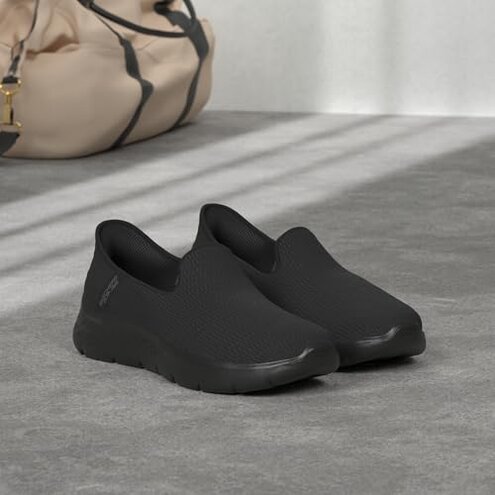
- Avoid it if you are sensitive to heel slip, because the easy-entry design can feel less secure than a standard walking shoe.
- Avoid it if you need dependable all-day support, since comfort can fade during longer shifts or travel-heavy days.
- Avoid it if you are between sizes or often struggle with shoe shape, because fit inconsistency appears more often than normal.
- Avoid it if you expect the price to guarantee durable daily wear, since longer-term satisfaction looks more mixed than typical alternatives.
Who this is actually good for
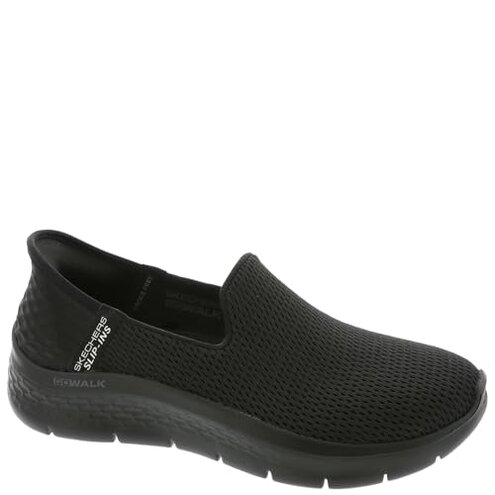
- Good fit for buyers who prioritize fast on-and-off use and already know Skechers shapes work well for their feet.
- Good fit for short errands and casual wear where small support limits are easier to tolerate.
- Good fit for people willing to accept some fit trial-and-error in exchange for hands-free convenience.
- Good fit for lighter walking routines where long-session stability matters less than quick comfort.
Expectation vs reality
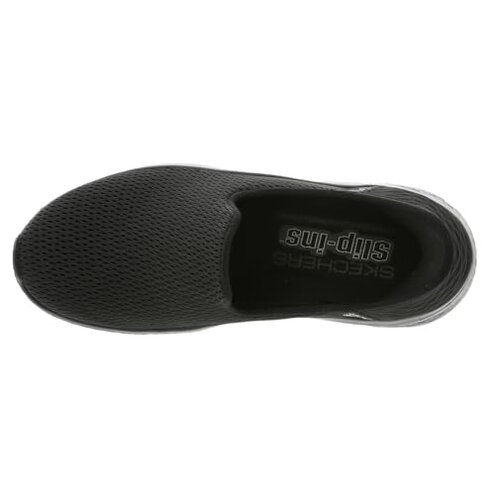
Expectation: A hands-free walking shoe should feel easy to enter and still stay secure.
Reality: Secure fit is less predictable here than many buyers expect once they leave the house.
Expectation: Soft cushioning should stay comfortable through regular daily wear.
Reality: Comfort drift can show up during longer sessions, making them feel better for short trips than all-day use.
Expectation: For this category, some sizing variation is reasonable.
Reality: The fit concerns feel worse than expected because they can be loose and snug in different spots at once.
Safer alternatives
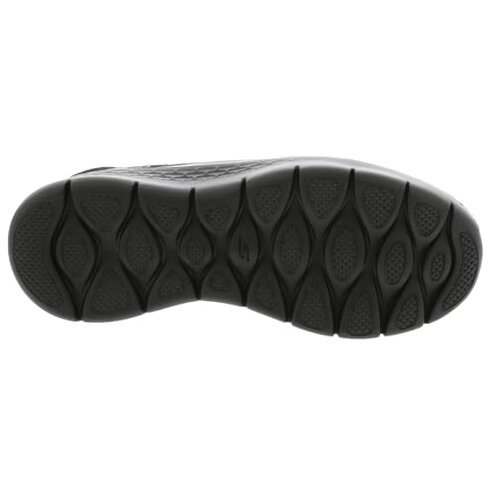
- Choose laces if secure hold matters more than hands-free entry, because adjustable closure directly reduces heel movement risk.
- Prioritize width options if you are often between fits, since this neutralizes the hidden foot-shape requirement.
- Look for firmer support if you stand or walk for long stretches, which better addresses the comfort drop after extended wear.
- Check long-term wear comments before buying similarly priced slip-ons, especially if you expect daily-use durability.
- Buy from easy-return sellers when trying convenience shoes, because fit problems usually reveal themselves on the first real outing.
The bottom line
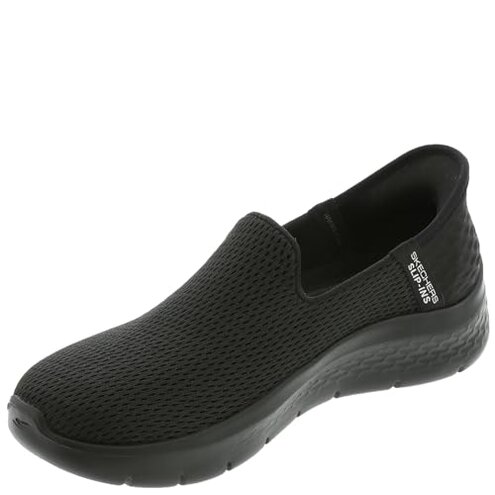
Main regret comes from the gap between easy step-in convenience and less reliable fit during actual walking. That risk exceeds normal category tolerance because the product’s main promise is hassle-free comfort, yet the hidden requirement is having the right foot shape for it. Verdict: avoid it if you need predictable fit, long-session support, or strong value durability from a walking shoe in this price range.
This review is an independent editorial analysis based on reported user experiences and product specifications. NegReview.com does not sell products.