
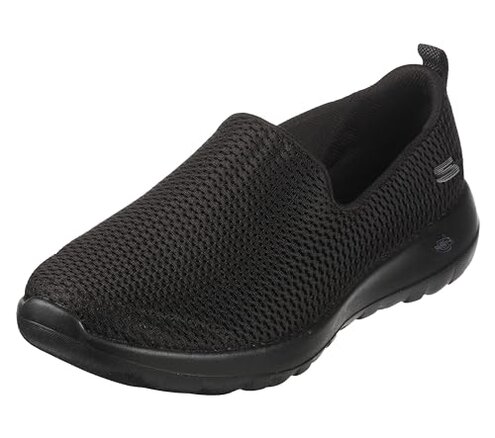
Product evaluated: Skechers Performance Go Walk Joy Slip-On Women's Slip On, 8 B(M) US, Black
Related Videos For You
Skechers Hands Free Slip-ins: Mind-Blowingly Effortless
How To Clean Suede and Mesh Shoes
Data basis: This report summarizes hundreds of buyer comments gathered from written feedback and video-style demonstrations collected across recent years up to the present. Most feedback came from written impressions, with added context from visual wear tests and day-to-day use clips, which helps separate first-try comfort from problems that appear after regular walking.
| Buyer outcome | This shoe | Typical mid-range slip-on |
|---|---|---|
| First wear comfort | Often strong at first, which can hide later fit and support complaints. | Usually decent, with fewer comfort surprises after break-in. |
| Size consistency | Higher risk of fit mismatch, especially if you are between sizes or need width certainty. | More predictable sizing across common foot shapes. |
| Support over time | Less stable for long days once cushioning compresses or the upper loosens. | Typically steadier for routine errands and work shifts. |
| Durability feel | Mixed, with repeated complaints about faster wear than expected for daily-use walking shoes. | More average wear life for the price tier. |
| Regret trigger | Looks comfortable, but daily use exposes fit drift and shorter-lasting support. | Lower chance of comfort changing this quickly. |
Do they feel great at first, then start fitting wrong?
This is a primary issue and among the most common complaints. The regret moment usually comes after a few wears, when a shoe that felt easy at first starts feeling loose, shallow, or oddly unsupportive during normal walking.
The pattern appears repeatedly, but not for every buyer. It tends to show up during errands, work shifts, or longer days on your feet, where small fit problems become much more obvious.
Why this feels worse than normal for this category is simple: casual slip-ons already trade some structure for convenience, but buyers commonly expected more secure hold from a walking shoe at this price.
Illustrative excerpt: “They felt amazing at home, then sloppy by my third outing.” Primary pattern.
Will the sizing be harder than it should be?
- Frequency tier: This is a primary complaint, appearing repeatedly across fit-focused feedback.
- When it hits: The problem usually starts on first try-on, especially for buyers between sizes.
- What buyers notice: Some report the shoe feels too roomy, while others say the front feels short or narrow.
- Why it frustrates: Slip-ons have no laces, so a small sizing miss is harder to correct during daily wear.
- Category contrast: That makes this more disruptive than expected, because a typical mid-range slip-on is usually more forgiving when sizing runs slightly off.
- Hidden requirement: Buyers may need to plan for trial-and-return steps instead of assuming their usual size will work.
- Fixability: Insoles or thicker socks can help some people, but they add extra effort and do not solve shape mismatch.
Illustrative excerpt: “My normal size slipped at the heel, but smaller felt cramped.” Primary pattern.
Does the comfort drop faster than expected?
- Pattern: This is a secondary issue, less frequent than sizing complaints but more frustrating when it occurs.
- Timing: It usually shows up after repeated use, not necessarily on day one.
- Worsening conditions: The loss is more noticeable during long sessions of walking or standing.
- What changes: Buyers commonly describe the shoe as feeling flatter or less supportive over time.
- Real-life impact: A shoe bought for easy all-day wear can become more of a short-trip option.
- Category contrast: Some soft walking shoes compress eventually, but complaints here suggest the support drop can feel earlier than normal for a daily-use pair near this price.
- Mitigation: If you only use them for light errands, the issue may matter less.
Illustrative excerpt: “Soft at first, but not enough support for a full day.” Secondary pattern.
Do they wear out sooner than a regular daily shoe should?
- Ranking: This is a secondary complaint, not as dominant as fit, but persistent enough to affect value.
- Usage moment: It tends to matter after daily handling and routine walking, rather than occasional use.
- What buyers see: Repeated feedback points to faster visible wear than expected on a go-to everyday shoe.
- Where regret starts: The problem feels bigger when buyers wanted one pair for heavy rotation.
- Cost impact: Earlier wear means more frequent replacement, which raises the true ownership cost.
- Category contrast: All lightweight slip-ons trade some ruggedness for easy comfort, but buyers commonly describe this pair as less durable than expected for the price.
- Not universal: Lighter users may not hit this limit quickly, so the risk is usage-dependent.
- Practical takeaway: These make more sense as a backup pair than a single everyday walker.
Illustrative excerpt: “Good for quick trips, but mine didn’t hold up to constant use.” Secondary pattern.
Who should avoid this
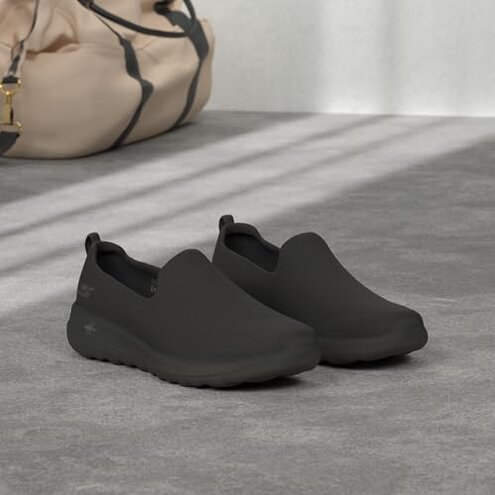
- Avoid it if you need reliable sizing without return hassle, especially if you are between sizes.
- Skip it if you need all-day support for work shifts, travel days, or extended standing.
- Pass if this will be your only daily shoe and you expect average-or-better wear life.
- Look elsewhere if heel security matters, because slip-on fit drift is a more common regret here than in many mid-range alternatives.
Who this is actually good for
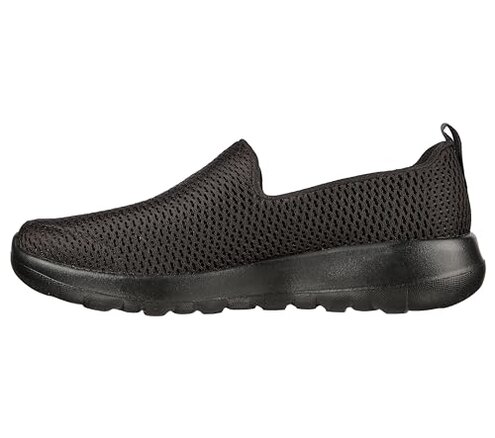
- Better fit for buyers who want a light errand shoe and can tolerate softer support.
- Reasonable choice if you already know this brand’s fit works for your foot and can accept some size inconsistency risk.
- Works better as a secondary pair for short outings, where long-term support drop matters less.
- Useful for shoppers who prioritize easy slip-on wear and machine-wash convenience over structure and durability.
Expectation vs reality
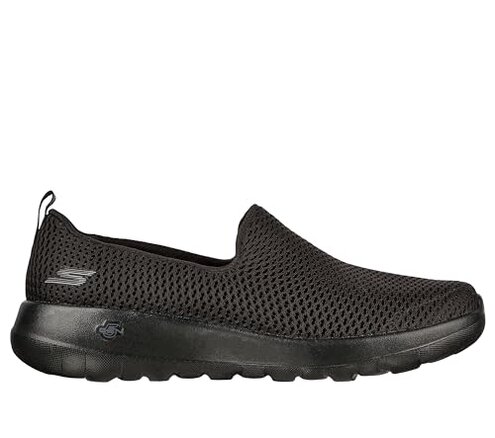
Expectation: A walking slip-on should feel soft and stay reasonably secure through normal daily use.
Reality: Here, the soft first impression can turn into fit instability or weaker support after repeated wear.
Expectation: For this category, some variation in sizing is reasonable.
Reality: The mismatch risk appears higher than expected, and slip-on design gives you fewer ways to adjust the fit.
Expectation: A near-$58 casual walker should handle regular rotation without early disappointment.
Reality: Repeated durability concerns suggest this can feel like a shorter-life purchase than many shoppers planned for.
Safer alternatives
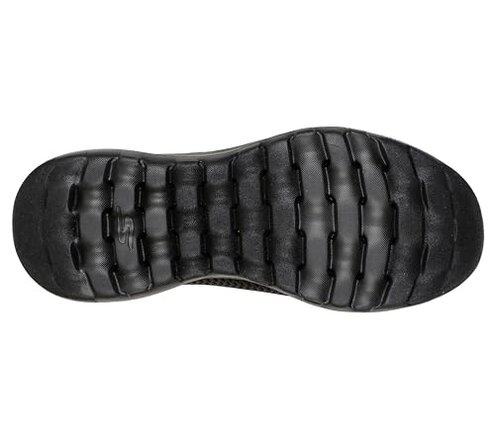
- Choose laces if your biggest concern is fit inconsistency, because adjustable closure reduces sizing regret.
- Pick firmer support if you stand or walk for long periods, which directly offsets the comfort fade reported here.
- Look for width options if your foot shape is hard to fit, since that lowers the trial-and-return burden.
- Favor sturdier daily walkers if this will be your only pair, which helps avoid the faster-wear risk.
- Use this category as backup only if convenience is your top need and you can accept shorter heavy-use life.
The bottom line
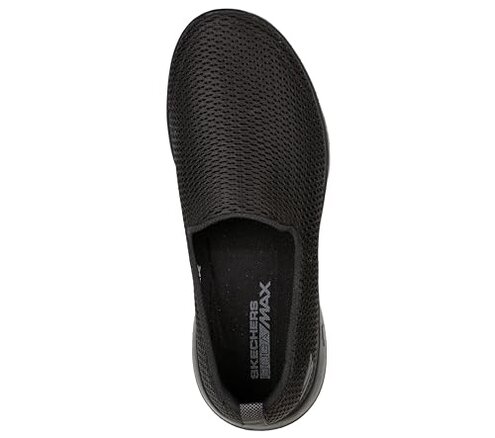
Main regret comes from the gap between first-try comfort and longer-term daily use. The bigger-than-normal risk is not just that problems happen, but that they show up in the exact moments buyers choose walking slip-ons for: easy, dependable everyday wear.
Verdict: If you need predictable fit, stable support, and one-pair durability, this is easier to avoid than justify. It makes more sense only for lighter use and buyers already comfortable with this brand’s sizing quirks.
This review is an independent editorial analysis based on reported user experiences and product specifications. NegReview.com does not sell products.