
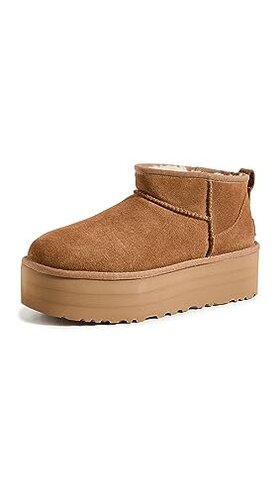
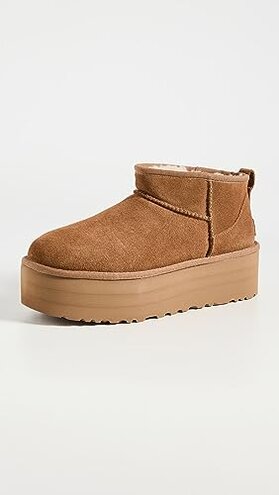
Product evaluated: UGG Women's Classic Ultra Mini Platform Boot, Chestnut, 8
Related Videos For You
UGG classic mini and ultra mini review and comparison | try on with different outfits
Quit RUINING Suede Shoes Jackets & Boots | ULTIMATE Guide To Cleaning Suede Leather
Data basis: This report summarizes dozens of buyer comments gathered from written feedback and short video-style demonstrations collected from 2023 to 2026. Most feedback came from written impressions, with added support from visual try-on and wear updates, which helps show how sizing, comfort, and appearance concerns play out during real use.
| Buyer outcome | This boot | Typical mid-range alternative |
| Fit consistency | Higher risk of sizing confusion and return-swaps | Usually steadier across common foot shapes |
| Break-in comfort | Mixed early wear, especially with thicker socks | More forgiving on first few wears |
| Easy daily use | Less simple to slip on than the low-cut look suggests | More predictable entry and removal |
| Wear appearance | More upkeep to keep the finish looking clean | Often easier to maintain casually |
| Regret trigger | Paying premium price and still needing size exchanges or extra care | Lower regret if fit and upkeep are priorities |
Will the fit feel wrong the moment you try them on?
This is the primary issue in buyer feedback. The biggest regret moment happens on first try-on, when the boot feels tighter, shorter, or harder to enter than expected for a casual pull-on style.
The pattern appears repeatedly, though not for every buyer. Compared with a typical mid-range casual boot, this feels worse because the price raises expectations for a more dependable fit right out of the box.
- Early sign: The opening can feel snug during first wear, especially when pulling the foot through quickly.
- Frequency tier: This is a primary complaint and shows up more often than appearance concerns.
- Usage moment: The problem shows up on first use and can worsen with thicker socks or wider feet.
- Impact: Buyers often end up debating between a too-snug fit now or a looser fit later after the lining compresses.
- Why it frustrates: A short boot usually suggests easy on-off wear, so this mismatch feels more disruptive than expected.
- Fixability: Sizing up or changing sock thickness may help, but that adds extra steps and exchange hassle.
- Hidden requirement: Some buyers need to plan around specific sock choices, which is more maintenance than many expect from this category.
Illustrative excerpt: “I expected cozy and easy, but getting my foot in was a project.”
Pattern note: This reflects a primary fit complaint.
Do they stop feeling comfortable after longer wear?
- Pattern: Comfort complaints are a secondary issue, but they are more frustrating when buyers planned all-day wear.
- When it hits: The discomfort usually shows up during longer sessions, not always in a quick indoor try-on.
- Worsens under: Walking for longer stretches or standing for extended time can make the platform feel less forgiving.
- Category contrast: Platform casual boots already trade softness for height, but this seems less forgiving than typical everyday options.
- Buyer impact: The boot may work as a short errand shoe but disappoint if used like a full-day comfort boot.
- Common attempt: Buyers try different socks or shorter wear periods, which helps some but does not fully solve the issue for everyone.
Illustrative excerpt: “Cute for quick trips, but my feet were done after a longer day.”
Pattern note: This reflects a secondary comfort pattern.
Will they start looking worn faster than you expect?
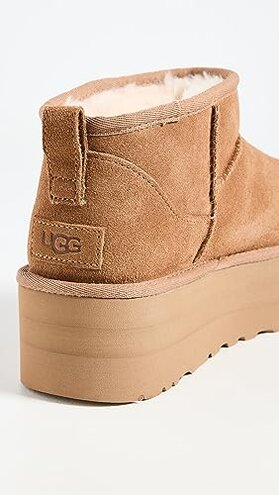
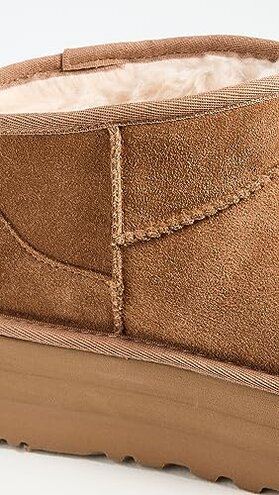
Appearance upkeep is another recurring trade-off. The regret usually starts after regular outdoor wear, when the finish shows scuffs, marks, or weather sensitivity sooner than some buyers expected.
This is not universal, but it is persistent enough to matter because these are bought as a statement boot. Compared with many mid-range casual alternatives, they often need more careful handling to keep the original look.
- Usage context: The issue shows up during daily use, especially in messy weather or rough sidewalks.
- Frequency tier: This is a secondary complaint, less common than fit issues but still repeated.
- Visible effect: Buyers notice the finish looking less fresh, which matters more at this price.
- Hidden effort: Keeping them presentable can require more routine care than many casual buyers expect.
- Category contrast: Some upkeep is normal for this kind of boot, but the inconvenience feels higher than normal because these are often worn as daily shoes.
Illustrative excerpt: “They looked great at first, then everyday wear showed fast.”
Pattern note: This reflects a secondary durability and appearance pattern.
Are you paying mostly for the look rather than easy everyday use?
- Primary tension: A repeated buyer split is that the style feels stronger than the practicality.
- When noticed: This usually becomes clear after a few real outings, not from unboxing alone.
- Why it stings: At $169.95, buyers expect fewer compromises around fit, comfort, and upkeep.
- Regret trigger: The boot can feel like a fashion-first choice when buyers wanted a simple grab-and-go winter casual option.
- Category contrast: Style-led footwear often asks for trade-offs, but here the compromises feel more noticeable than expected for a premium-priced casual boot.
Illustrative excerpt: “Love the look, but I didn’t expect this many little compromises.”
Pattern note: This reflects a primary value-for-money frustration.
Who should avoid this

- Wide-foot buyers should be cautious if they want an easy first-try fit without exchange cycles.
- All-day walkers may want a softer, more forgiving option if longer wear comfort matters more than style.
- Low-maintenance shoppers should skip this if they do not want extra care to keep the exterior looking clean.
- Value-focused buyers may feel the regret faster if premium price leaves little patience for fit experiments.
Who this is actually good for
- Style-first buyers may still like it if they accept that the main trade-off is easier-to-notice fit inconsistency.
- Short-wear users can do fine if the boot is mostly for quick errands, social outings, or light indoor-outdoor use.
- Narrower-foot shoppers may tolerate the snug entry better if they already prefer a close fit.
- Care-minded owners are a better match if they do not mind protecting and cleaning the finish regularly.
Expectation vs reality
Expectation: A premium casual mini boot should feel easy to slip on and reliably true to size.
Reality: The fit is one of the most common complaints, especially on first wear and with thicker socks.
Expectation: Platform height should add style without changing daily comfort too much.
Reality: Longer wear can feel less forgiving than buyers expect from an everyday casual boot.
Expectation: Some upkeep is reasonable for this category.
Reality: The effort can feel worse than expected because many buyers use this as a frequent go-to shoe, not an occasional pair.
Safer alternatives
- Prioritize fit stability by choosing a casual boot with a wider opening or more consistent reports across foot shapes.
- Choose softer daily wear if you need standing or walking comfort more than a taller fashion look.
- Look for easier-care finishes if you want a boot that handles daily outdoor wear with less visible marking.
- Buy from easy-return sellers if you still want this style, because sizing trial-and-error is a differentiated risk here.
The bottom line
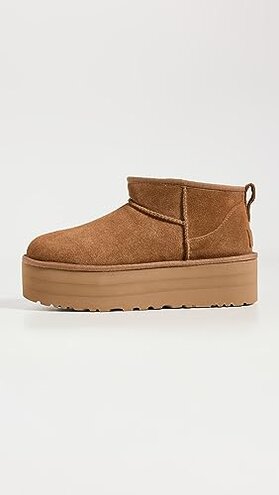
Main regret comes from paying a premium and then dealing with fit uncertainty, comfort trade-offs, or more upkeep than expected. That exceeds normal category risk because a short casual boot is usually bought for easy everyday wear, and this one commonly adds extra decisions. Verdict: Avoid it if you want dependable fit and low-maintenance comfort more than the look.
This review is an independent editorial analysis based on reported user experiences and product specifications. NegReview.com does not sell products.