
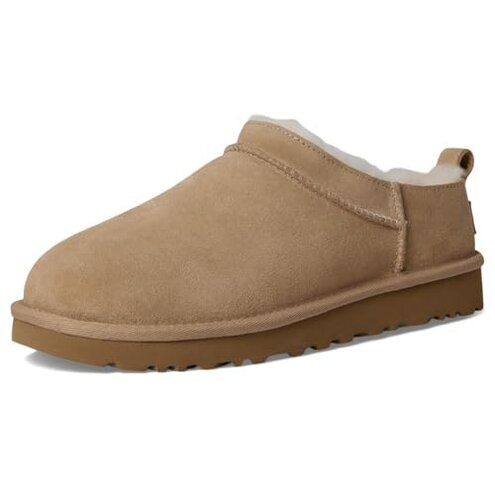
Product evaluated: UGG Women's Classic Micro Boot, Sand, 8
Related Videos For You
which @ugg boots should you get? 🤎 micro vs ultra mini + fall outfit ideas! 🍁🧥🍂
How to clean suede shoes #shorts #lifehacks #shoes
Data basis: This report is based on dozens of shopper comments collected from written feedback and short-form video impressions during the recent buying period. Most input came from written reviews, with added support from visual try-on style feedback, which helps surface repeat problems like fit, comfort changes, and appearance gaps during daily wear.
| Buyer outcome | This boot | Typical mid-range alternative |
| First-wear fit | Higher risk of feeling tighter or shorter than expected | More predictable fit across usual sizing |
| Break-in comfort | Less forgiving if the fit is already borderline | Usually easier to wear in after a few uses |
| Color expectations | More variable under home lighting than listing-style images suggest | Closer match to common buyer expectations |
| Upkeep burden | Higher-than-normal care needs for light-color everyday wear | Often lower maintenance for casual daily use |
| Regret trigger | Paying premium pricing and still needing exchanges or extra care | Lower-stakes disappointment if fit is slightly off |
Worried they will feel snug fast?
Fit frustration is among the most common complaints for this kind of boot. The regret moment usually happens on first try-on, when buyers expect a cozy fit and get a tighter opening or shorter feel instead.
This pattern appears repeatedly, even though it is not universal. Compared with a typical mid-range casual boot, that makes the sizing feel less predictable than expected for the price.
Illustrative excerpt: “Cute, but my usual size felt tight before I even started walking.”
Pattern: This reflects a primary issue.
Early sign: Trouble sliding in the foot is a common first warning during initial wear.
When it worsens: The problem stands out more with thicker socks or longer indoor wear.
Why it stings: Buyers usually expect soft-lined boots to feel flexible, but this can be more restrictive than that baseline.
Trade-off: Sizing up may help length, but can create a less secure feel elsewhere.
Need a daily boot that stays easy to maintain?
- Primary issue: Light-color wear and suede care are a recurring frustration during normal day-to-day use.
- Usage moment: The regret often starts after the first few outings, when buyers notice marks or dirt faster than expected.
- Category contrast: Many casual boots need some care, but this looks less forgiving than most mid-range alternatives used the same way.
- Hidden requirement: To keep the look close to expectations, buyers may need extra care steps that are easy to underestimate before purchase.
- Impact: That adds time, caution, and sometimes limits how often people want to wear them.
- Fixability: Care can reduce the issue, but it does not remove the high-maintenance feel of a light suede everyday boot.
- Illustrative excerpt: “I wanted an easy errand boot, but I ended up babying them.”
Pattern: This reflects a secondary issue.
Expecting the color to look exactly like the photos?
- Secondary issue: Appearance mismatch is less frequent than fit complaints, but it is more frustrating when gift buying or matching outfits.
- When it shows up: Buyers usually notice it right after unboxing, especially under indoor lighting.
- Pattern signal: This comes up repeatedly enough to treat it as a persistent expectation risk.
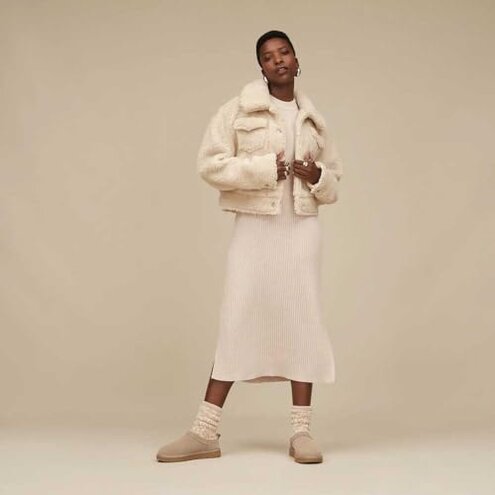
- What buyers notice: The shade can read a little different from polished listing images, even when the product is correct.
- Why it feels worse: For a fashion boot at this price, shoppers expect a closer visual match without guesswork.
- Best attempt: Looking at more real-world photos helps, but that still leaves lighting variation as a gamble.
- Illustrative excerpt: “The color was fine, just not the exact sand tone I pictured.”
Pattern: This reflects a secondary issue.
Hoping the soft feel means all-day comfort?
- Comfort drop: A softer first impression does not always translate into long-session comfort.
- Usage context: This tends to show up during extended wear, not just a quick try-on at home.
- Pattern level: It is a secondary issue, less common than sizing complaints but still persistent.
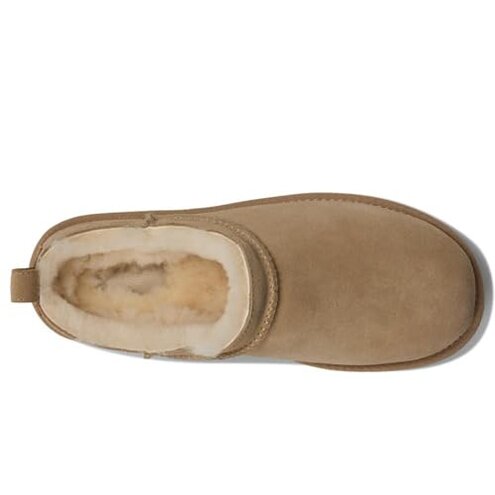
- Buyer surprise: Some people expect plush lining to solve comfort, yet a borderline fit can become more tiring over time.
- Category baseline: Most casual comfort boots should stay easy for errands and indoor wear, so this feels worse than expected when the fit is not ideal.
- Practical impact: Buyers may reserve them for shorter trips instead of using them as an everyday default.
- Attempts: Sock changes or sizing adjustments may help, but they add extra decision-making to a simple wardrobe item.
- Illustrative excerpt: “They felt cozy at first, then my feet wanted them off.”
Pattern: This reflects a secondary issue.
Who should avoid this
- Avoid it if you are between sizes, because the fit risk is a primary complaint and feels less predictable than normal.
- Skip it if you want a throw-on daily boot with low upkeep, since the light suede look can demand more care than expected.
- Pass if color accuracy matters a lot for gifting or outfit matching, because photo-to-home appearance can vary.
- Look elsewhere if you need reliable all-day comfort without trial and error, especially if snug footwear becomes fatiguing for you.
Who this is actually good for
- Good fit for buyers who already know how this brand’s sizing works and can tolerate a closer fit at first.
- Works well if you want a fashion-first short boot and do not mind extra care steps to keep it looking clean.
- Makes sense for lighter use, like short outings or indoor wear, where the comfort trade-off matters less.
- Safer choice for shoppers who are flexible on exact shade and care more about the general look than a perfect photo match.
Expectation vs reality
Expectation: A premium casual boot should have predictable sizing in your normal size.
Reality: This one carries a more noticeable risk of feeling tight on first wear.
Expectation: Light everyday boots should need reasonable care for this category.
Reality: Here, upkeep can feel worse than expected if you planned frequent casual use.
Expectation: Product photos should give a close style match for color.
Reality: Home lighting and finish can make the color feel less exact than expected.
Safer alternatives
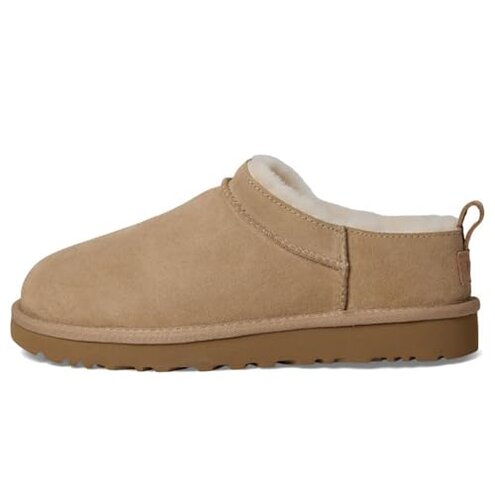
- Choose darker shades if you want to reduce the visible-wear problem that makes this light option feel high maintenance.
- Prioritize flexible return options if your biggest concern is the first-wear fit being tighter than expected.
- Look for wider-opening designs if you dislike extra effort getting boots on and off during daily use.
- Favor treated uppers or easier-clean finishes if you need a casual boot that can handle regular errands with less fuss.
- Check real-world try-on images before buying if an exact color match matters for outfits or gifts.
The bottom line
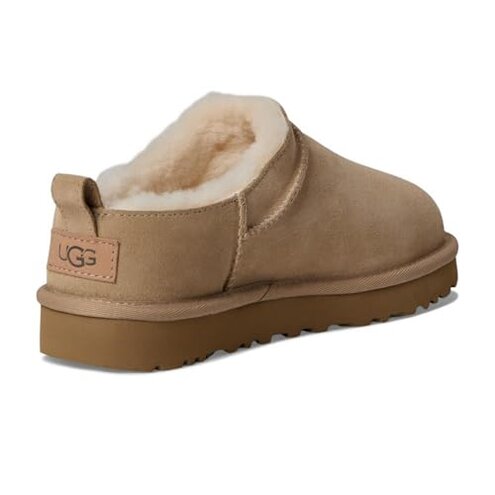
Main regret usually starts with fit, then gets amplified by upkeep demands and appearance expectations. That combination creates a higher-than-normal category risk, because buyers are paying premium pricing while still managing sizing uncertainty and extra care. Verdict: avoid it if you want a low-maintenance, predictable everyday boot.
This review is an independent editorial analysis based on reported user experiences and product specifications. NegReview.com does not sell products.